Whether you call it your little toe, wee toe, baby toe, small toe, fifth toe, or pinky toe, that outermost pedal digit can cause outsized problems. Pinky toe pain is one of the most common foot complaints, yet it is also one of the most misunderstood. The causes range from a simple corn to a fracture of the fifth metatarsal, and knowing the difference matters, because the wrong approach can turn a minor issue into a source of chronic pain and permanent deformity.
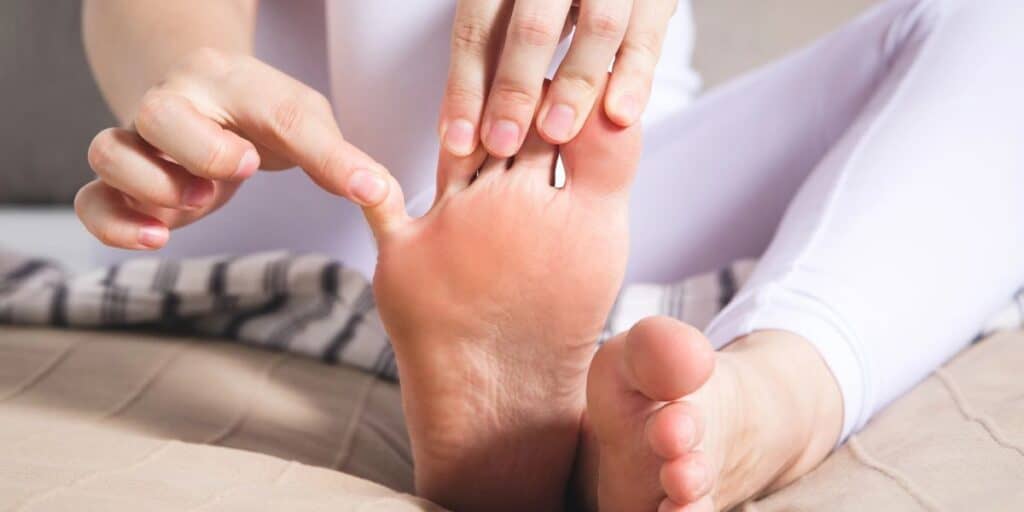
This guide walks you through the most common causes of little toe pain, the symptoms that should prompt a podiatric evaluation, and the full range of treatment options available, from simple home care through to Dr. Bob’s pioneering minimally invasive and regenerative techniques.
The big toe, baby toe, and heel stabilize the base of your foot
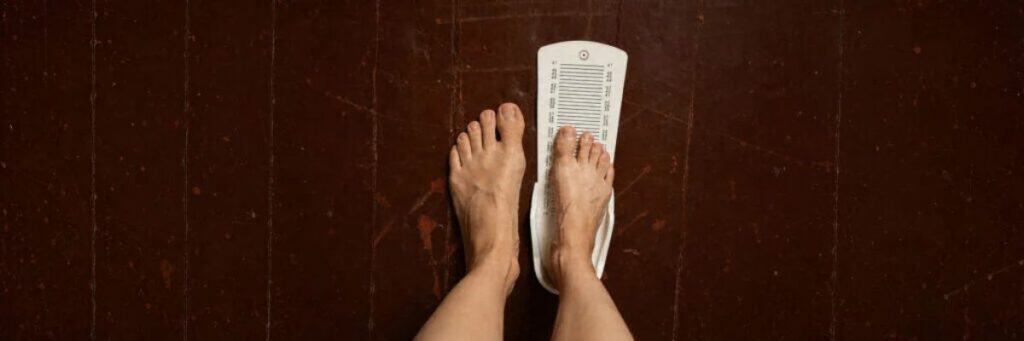
Your foot forms a functional triangle. When you stand or walk, your heel supports most of your body weight, with the big toe and little toe stabilizing the forefoot. When you run, your big and little toes take on even more responsibility for maintaining your balance.
Your little toe bears a greater risk of injury because of its exposed location on the outer edge of the foot. Injuries or abnormalities in your little toe can destabilize your stance and cause significant pain. Below is a thorough overview of the conditions most likely to be behind your pinky toe pain, along with clear guidance on what to do about each one.
Common causes of pinky toe pain
Little toe pain rarely appears without a reason. The most frequent culprits include fractures, sprains, corns and calluses, hammertoe, ingrown toenails, dislocation, and bunionette (tailor’s bunion). Each condition has its own symptom pattern and treatment pathway. Knowing which one you have is the first step toward relief.
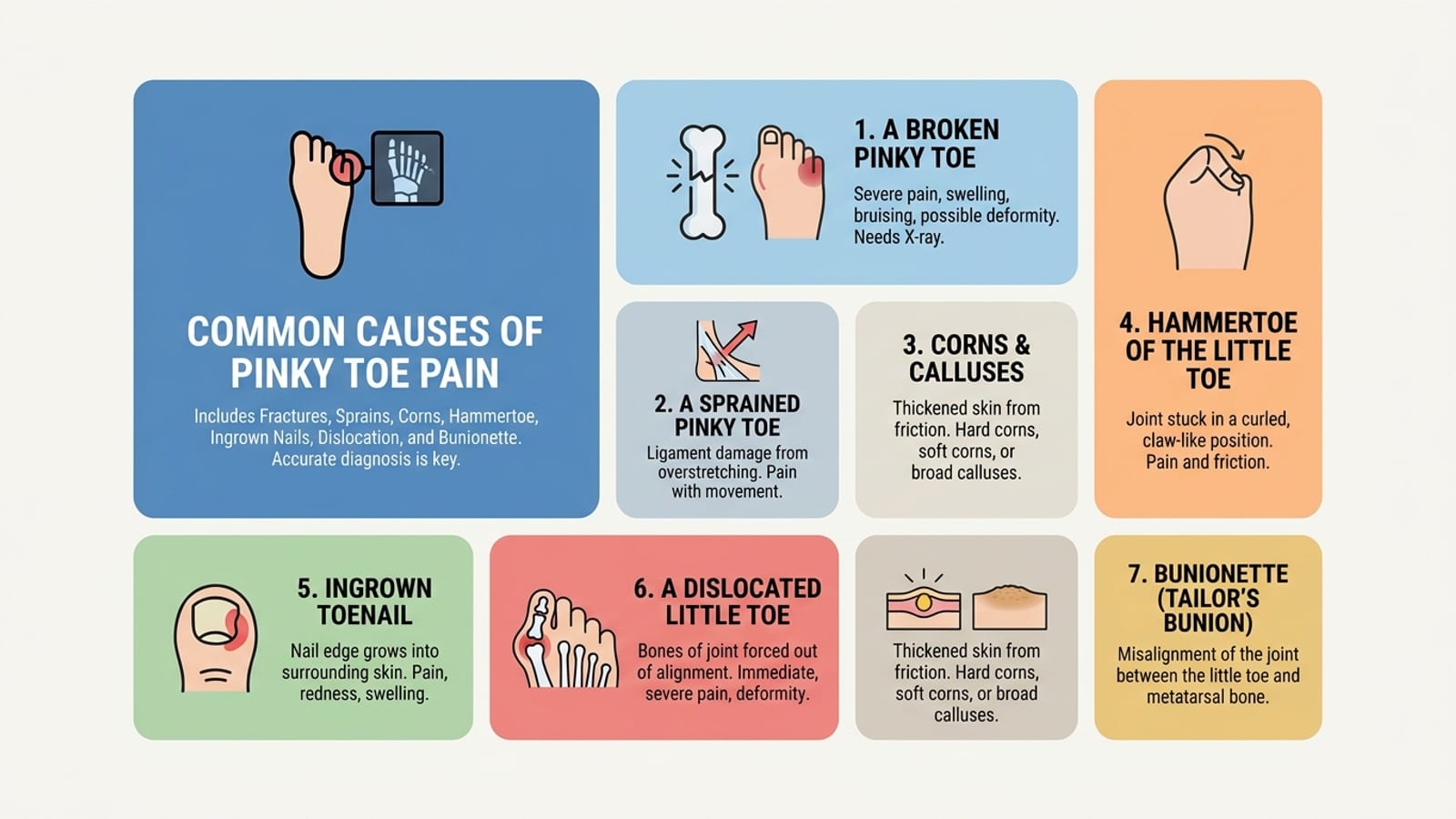
1. A broken pinky toe
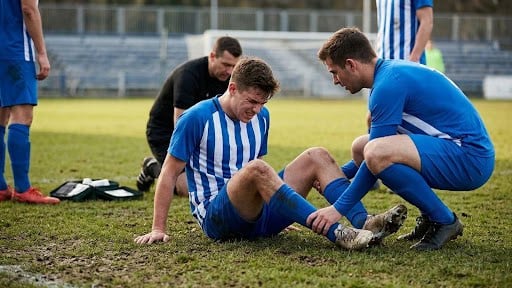
Your fifth toe is a crybaby. It will tell you it is broken far more frequently than it actually is. But if your pinky toe pain is severe and persists for more than a day or two, it is a good idea to let your podiatrist take a look, both visually and with an X-ray.
An X-ray might reveal either an acute toe fracture (you will remember when it happened) or a stress fracture (you will not recall the inception of that fracture, because it developed gradually over time). In some cases, advanced imaging such as an MRI or CT scan is needed to assess the extent of injury to the fifth metatarsal or surrounding soft tissue. Dr. Bob uses state-of-the-art diagnostic imaging to ensure nothing is missed – because an accurate diagnosis is the foundation of a tailored treatment plan that gets you back on your feet as quickly as possible.
Common symptoms of a broken pinky toe include:
An audible “pop” at the moment of injury (acute fracture)
Immediate, significant pain following stubbing or impact
Rapid swelling and bruising around the toe
Moderate pain that increases with weight-bearing and eases with rest (stress fracture)
Visible deformity or the toe sitting at an unusual angle
Difficulty walking or bearing weight on the affected foot
Numbness or tingling around the injured toe, which may signal nerve involvement
Pain that lingers beyond a few days despite rest – a sign the fracture may need professional management rather than a wait-and-see approach
There is a widespread myth that doctors cannot do anything for a broken little toe, so you should just tough it out. While the right treatment for a broken baby toe may be simple, it can be dangerous to ignore a persistently painful pinky toe. A neglected fracture can lead to premature arthritis, chronic pain, and permanent deformity.
How to treat a broken pinky toe
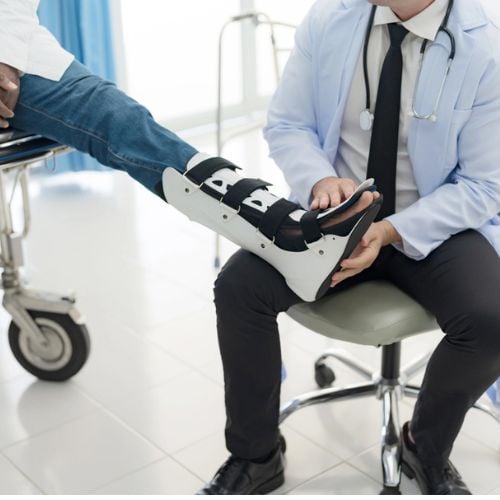
Remedies for a broken little toe can include buddy taping, which uses the adjacent toe as a natural splint. Taping the little toe to its inner neighbor provides stability and protection while it heals. More serious pinky toe fractures can require a walking boot or cast to keep the foot immobilized while the bone heals. In the rare case of small toe dislocation, the bones may need realignment before taping the little toe to its buddy.
Where conservative treatment is insufficient, Dr. Bob’s minimally invasive surgical techniques allow for precise realignment of the fractured fifth metatarsal or toe bone with minimal disruption to surrounding tissue, delivering faster healing and less post-operative pain than traditional open surgery. As a pioneer of metal-free surgical techniques, Dr. Bob can stabilize fractures using bio-integrated, non-metal hardware that becomes part of the bone over time – meaning there is no metal to ever remove and no second surgery down the road. This personalized care and unmatched skill make Dr. Bob the surgeon other doctors trust for their toughest cases.
2. A sprained pinky toe
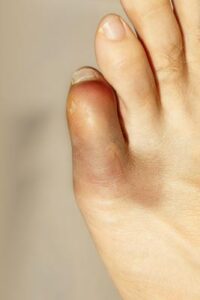
A sprained little toe results when a ligament is damaged by overstretching. Ligaments are the tough strands of collagen fiber that attach one bone to another. The same sort of traumatic event that causes an acutely fractured baby toe, such as stubbing it against a piece of furniture, can also cause a sprain.
Sprain symptoms include throbbing pain with movement, tenderness to the touch, swelling, and bruising. Because these symptoms overlap with those of a fracture, a physical examination and X-ray are often needed to distinguish between the two.
There are three different categories of sprains for a sprained little toe:
Grade I sprains involve minimal pain and some minor loss of function. The ligament is stretched but not torn.
Grade II sprains produce moderate pain, noticeable swelling, and limited weight-bearing. There is a partial tear of the ligament.
Grade III sprains are extremely painful. A Grade III sprain involves a complete ligament tear and does not allow the toe to bear any weight.
Grade I sprains of pinky toe ligaments will generally heal on their own with rest, ice, compression, and elevation. Your podiatrist may prescribe a walking boot for some Grade II and most Grade III sprains. Some Grade III sprains may damage the ligament so severely that surgical repair is required. Anti-inflammatory medication can help manage pain and reduce swelling during recovery.
3. Corns and calluses on the baby toe
When skin is consistently subjected to harsh friction, a protective area of rough and thickened dermis will naturally develop. This condition, variously known as a callus or a corn, can benefit manual laborers and those who love to run barefoot. But corns can be painful, and calluses can be considered unsightly.
What causes corns
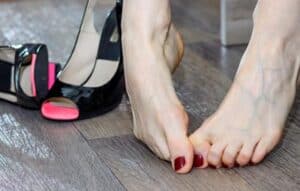
Corns usually form when you wear footwear that is too tight or has a narrow toe box. Hard corns generally form on top of your toe knuckles or on the outside of your little toe. Soft corns usually occur in the delicate skin between your toes, where sweat keeps it moist and it is prone to infection. An untreated soft corn can become attached to deeper tissue, a condition known as a fibrous corn. A vascular corn contains blood vessels within its structure. Fibrous and vascular corns can be excruciatingly painful.
Certain risk factors increase the likelihood of developing painful corns and calluses. People with diabetes or poor circulation are in a particularly vulnerable position – even a small, seemingly minor corn can deteriorate into a serious wound or infection if left unaddressed. Because reduced sensation can mask pain signals, damage may progress further than you realize before you notice it. If you have either condition, it is always worth having a foot specialist evaluate any skin changes promptly rather than waiting to see if they resolve on their own. Structural foot abnormalities, such as hammertoe or bunionette, also create pressure points that accelerate corn formation.
How do calluses form?
Calluses form when there is excessive rubbing between your foot and the inside of your footwear. Unlike corns, calluses tend to be broader and less localized, and are generally less painful, though they can become uncomfortable over time.
Treatment of corns and calluses
The first line of defense against corns and calluses is making sure your footwear fits your feet properly, with a sufficiently wide toe box and a heel of reasonable height. If corns have already developed, moleskin padding can cushion the impact between the corn and your shoe.
Orthotic shoe inserts improve fit by redistributing your weight and eliminating excessive friction and pressure. Your podiatrist can create custom orthotics for you. For more advanced or painful corns, professional debridement – the careful, precise removal of thickened skin by a trained foot specialist – is a safe and highly effective option. A podiatrist has the tools and expertise to pare down a corn without damaging the surrounding healthy tissue, something that over-the-counter acid treatments and home remedies simply cannot replicate with the same level of safety. This is especially important for patients with diabetes or compromised circulation, for whom self-treatment carries real risk. In these cases, personalized care from a specialist is not just preferable – it can be genuinely limb-saving.
4. Hammertoe of the Little Toe
Most people associate hammertoe with the middle toes, but your little toe can develop this condition too – and when it does, it can make every step genuinely uncomfortable. A hammertoe happens when the joint in the middle of the toe bends downward and gets stuck in a curled, claw-like position. Over time, the muscles and tendons tighten around that bent joint, making it harder and harder to straighten the toe on your own.
On the pinky toe, you’ll usually notice a visible bend or curl, along with pain and pressure right at the top of the joint – exactly where it rubs against the inside of your shoe. That friction is also a big reason why hammertoes and corns so often show up together. If you’ve been dealing with a stubborn corn on your little toe that keeps coming back no matter how much you treat it, an underlying hammertoe could be the real culprit.
Tight, narrow, or pointed footwear is one of the most common triggers, which is why hammertoe tends to worsen over time if you don’t address the root cause. Genetics and foot structure also play a role – something worth exploring if you’re noticing other foot changes as you get older.
The good news is that when caught early, conservative treatments like toe stretches, cushioning pads, and better-fitting shoes can slow progression significantly. For more rigid or painful cases, Dr. Bob offers pioneering metal-free hammertoe correction – a minimally invasive approach with no metal pins to remove during recovery, meaning faster healing and less pain for patients who need surgical relief.
5. Ingrown toenail on the pinky toe
Although ingrown toenails are most commonly associated with the big toe, they can and do occur on the little toe. An ingrown toenail develops when the edge of the nail grows into the surrounding skin rather than over it, causing pain, redness, swelling, and sometimes infection.
On the pinky toe, ingrown nails are often triggered by cutting the nail too short or at an angle, wearing shoes with a narrow toe box that compresses the nail, or a naturally curved nail shape. Symptoms include:
Tenderness and pain along one or both sides of the toenail
Redness and swelling around the nail edge
Skin that appears to be growing over the nail
Discharge or signs of infection if left untreated
Mild cases can sometimes be managed at home by soaking the foot in warm water and wearing open-toed or wide-toed footwear. However, if you see any signs of infection, have diabetes or poor circulation, or the problem recurs, a podiatrist should treat the nail professionally. Dr. Bob can perform a simple in-office procedure to remove the offending nail edge and, where appropriate, treat the nail root to prevent recurrence, all with minimal discomfort.
6. A dislocated little toe
A dislocation occurs when the bones of a joint are forced out of their normal alignment. In the little toe, this typically happens after a sudden traumatic impact, such as stubbing the toe forcefully or dropping something heavy on the foot. A dislocated pinky toe is distinct from a fracture, though the two can occur together.
Symptoms of a dislocated little toe include:
Immediate, severe pain at the moment of injury
Visible deformity, with the toe appearing to sit at an unnatural angle
Significant swelling and bruising
Inability to move the toe normally
Numbness or tingling if surrounding nerves are affected
Never “pop back” a dislocated toe at home. A podiatrist will perform a careful physical examination and take X-rays to confirm the dislocation and rule out an associated fracture. The joint is then gently reduced (realigned) under appropriate anesthesia, followed by buddy taping and, in some cases, a walking boot to protect the toe while it heals. Surgery is occasionally needed when the joint cannot be reduced manually or when ligament damage is severe.
7. Can you get a bunion on your little toe?
Yes, you can. Bunions are the product of misalignment of the joint between a toe and its matching metatarsal bone. Metatarsals are the long bones along the top of your foot that join your toes to your ankle. Most bunions affect the base of the big toe, but a bunionette, also known as a tailor’s bunion, affects the fifth metatarsal and the little toe.
What is a tailor’s bunion?
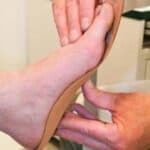
A tailor’s bunion occurs when the joint between a little toe and its corresponding fifth metatarsal bone becomes crooked and protrudes outward. This condition became known as a tailor’s bunion because tailors were reputed to ply their trade while seated cross-legged, with the outside of their little toes digging into the ground.
Tailor’s bunions can become very painful, particularly when wearing shoes with a narrow toe box. Unless you are an old-fashioned tailor, it is likely that your tailor’s bunion was caused either by an inherited foot abnormality or by shoes that are too narrow in the toe box and/or too high in the heel.
Tailor’s bunion treatment
As with many podiatric conditions, treatment for tailor’s bunions starts with ensuring the patient wears shoes that fit properly, with a sufficiently wide toe box and heels of a reasonable height. Orthotic shoe inserts can also help redistribute pressure away from the fifth metatarsal. In some more serious cases, a corticosteroid injection can reduce inflammation. Surgery is available for intractable tailor’s bunions, and Dr. Bob’s minimally invasive approach means smaller incisions, less post-operative pain, and a faster return to normal footwear.
Symptoms That Warrant a Visit to Your Podiatrist
So your little toe hurts – but how do you know when it’s time to stop self-treating and actually see a specialist? Most people try to tough it out, but some symptoms are your body’s way of waving a red flag. Here’s what should prompt you to pick up the phone and book an appointment:
Pain that lingers beyond a few days. Minor bumps and bruises settle down quickly. If your pinky toe is still throbbing after three to five days of rest, something more significant may be going on – like a stress fracture or a developing tailor’s bunion.
Visible deformity or misalignment. If your little toe looks crooked, is drifting toward its neighbor, or has a noticeable bump forming along the outer edge of your foot, that’s a structural problem that won’t fix itself.
Numbness, tingling, or burning sensations. These can signal nerve involvement or even a condition like erythromelalgia, which requires a proper diagnosis rather than guesswork.
Swelling that isn’t improving. Persistent swelling – especially if it’s spreading – can indicate a fracture, dislocation, or infection that needs imaging and professional evaluation.
An open wound or signs of infection. Redness, warmth, discharge, or an ingrown toenail that has broken the skin needs prompt attention to prevent serious complications.
Difficulty walking or bearing weight. If pain changes your gait, you’re putting stress on other parts of your foot and ankle, which can lead to bigger problems down the road.
When in doubt, it’s always better to get checked out. Catching a problem early means more conservative treatment options – and a faster path back to pain-free living.
Treatment options for pinky toe pain
The right treatment for your little toe depends entirely on the underlying cause and its severity. Dr. Bob takes the time to get to know every patient personally, tailoring each treatment plan as if he were caring for his family. Here is an overview of the full care pathway, from conservative home measures through to surgical intervention.
Conservative and home treatments
RICE method: Rest, Ice, Compression, and Elevation is the first-line response to most acute pinky toe injuries. Applying ice for 15 to 20 minutes several times a day reduces inflammation and pain in the early days after injury.
Buddy taping: Taping the little toe to its neighbor provides support and protection for sprains and minor fractures, allowing the toe to heal in the correct position.
Footwear changes: Switching to shoes with a wide toe box and a low heel removes the pressure that drives many pinky toe conditions, from corns and hammertoe to tailor’s bunion.
Padding and moleskin: Protective padding reduces friction on corns and calluses, providing immediate relief while you address the underlying cause.
Anti-inflammatory medication: Over-the-counter non-steroidal anti-inflammatory drugs (NSAIDs) can manage pain and reduce swelling for sprains, fractures, and inflammatory conditions.
Podiatric and non-surgical treatments
Custom orthotics: Orthotic shoe inserts designed by Dr. Bob redistribute weight across the foot, relieving pressure on the fifth metatarsal and little toe and addressing the biomechanical imbalances that cause many chronic conditions.
Walking boot or cast: For more severe fractures and Grade II or III sprains, a walking boot or cast immobilizes the toe while it heals.
Professional debridement: Safe, in-office removal of corns and calluses by a podiatrist, particularly important for patients with diabetes or poor circulation.
Corticosteroid injections: Targeted injections can reduce inflammation in persistent cases of tailor’s bunion or other inflammatory conditions.
Nail procedures: In-office treatment of ingrown toenails, including partial nail avulsion and nail root treatment to prevent recurrence.
Joint reduction: Manual realignment of a dislocated toe under appropriate anesthesia, followed by protective taping or a walking boot.
Surgical and advanced treatments
When conservative care does not resolve the problem, surgery may be the best path to lasting relief. Dr. Bob is the surgeon other doctors trust for their toughest cases, pioneering non-metal, minimally invasive, and regenerative techniques that deliver faster healing, less pain, and great results. Surgical options for pinky toe conditions include:
Minimally invasive fracture fixation: Precise realignment and stabilization of fifth metatarsal or toe fractures through small incisions, reducing recovery time compared to traditional open surgery.
Hammertoe correction: Minimally invasive realignment of the bent joint, restoring the toe to its natural position with minimal downtime.
Tailor’s bunion surgery: Correction of the fifth metatarsal misalignment through a small incision, with Dr. Bob’s non-metal fixation techniques reducing the risk of hardware-related complications.
Ligament repair: Surgical reconstruction of severely torn ligaments in Grade III sprains or complex dislocations.
Regenerative treatments: Where appropriate, Dr. Bob incorporates regenerative techniques to support tissue healing and reduce inflammation, helping patients recover more fully and more quickly.
Why choose Dr. Bob Baravarian of Los Angeles for your foot and ankle care?
If your little toe hurts and you are not sure why, or if you have already tried home remedies without success, Dr. Bob is here to help. As a nationally recognized foot and ankle specialist and the surgeon other doctors trust for their toughest cases, Dr. Bob provides advanced podiatric care with some of the nation’s highest success rates. He leads research and treatment for all foot and ankle conditions, and he takes the time to get to know every patient personally, tailoring each treatment plan as if he were caring for his family.
From a straightforward corn to a complex fifth metatarsal fracture, Dr. Bob’s pioneering non-metal, minimally invasive, regenerative techniques mean faster healing, less pain, and great results. You do not have to simply tough it out.
To schedule a consultation, please call (855) 557-5400 or make an appointment now. Dr. Bob Baravarian is conveniently located in Los Angeles, near Cedars-Sinai Medical Center, providing expert foot and ankle care for patients throughout Southern California.
Frequently Asked Questions About Pinky Toe Pain
Still have questions about why your little toe hurts? Here are answers to some of the most common things patients ask Dr. Bob’s team about pinky toe pain.
Frequently asked questions about pinky toe pain
How do I know if my little toe is broken or just bruised?

A bruised toe is typically tender and discolored but remains in its normal position and allows some movement. A broken toe is more likely to involve significant swelling, a visible deformity, an inability to bear weight, or pain that does not improve after a day or two of rest. The only reliable way to tell the difference is with an X-ray. If you are unsure, it is always worth having a podiatrist take a look, because an untreated fracture can lead to chronic pain and arthritis.
Can I buddy tape my pinky toe at home?
Buddy taping, securing the little toe to its neighbor with medical tape and a small piece of padding between them, is a reasonable first step for a minor sprain or suspected minor fracture. However, if there is visible deformity, severe pain, numbness, or any sign that the toe may be dislocated, do not attempt to tape it yourself. See a podiatrist first so they can properly assess the injury and position the toe correctly before taping.
When should I worry about a corn on my little toe?
A corn that is mildly uncomfortable and responds to better-fitting footwear and moleskin padding is generally not a cause for concern. See a podiatrist if the corn is very painful, if the skin around it looks red, warm, or infected, if you have diabetes or poor circulation, or if the corn keeps returning despite footwear changes. Recurring corns often signal an underlying structural problem, such as hammertoe or a bunionette, that needs direct attention.
What is the difference between a sprained and a dislocated pinky toe?
A sprain involves damage to the ligaments around a joint without the bones moving out of alignment. A dislocation means the bones of the joint have been forced out of their normal position. Both can cause significant pain, swelling, and bruising, but a dislocation will usually produce a visible deformity and a more dramatic loss of function. Both conditions require a podiatric evaluation and X-ray to confirm the diagnosis and guide treatment.
Can I walk on a broken pinky toe?
Technically, many people can – but that doesn’t mean you should. Walking on an untreated fracture can shift the bone out of alignment, slow healing, and even lead to chronic pain down the road. If your little toe hurts after an injury and there’s swelling or bruising, get it evaluated before assuming it’s just a sprain.
How do I know if my pinky toe pain is a tailor's bunion or just a corn?
A tailor’s bunion (bunionette) is a bony prominence at the base of the pinky toe – it won’t go away with padding alone. A corn is a thickened patch of skin caused by friction, usually on top of or beside the toe. Both can cause significant discomfort, but they require different treatments. A podiatrist can tell the difference quickly, often without imaging.
When should I stop waiting and see a doctor about my little toe?
If your pinky toe pain has lasted more than a few days, you notice visible deformity, numbness, an open wound, or the pain is getting worse rather than better, it’s time to make an appointment. Conditions like stress fractures and hammertoes don’t resolve on their own – and early treatment almost always means a faster, easier recovery. You might also want to read about common foot problems that tend to worsen with age to understand why prompt care matters.
Is surgery always required for pinky toe problems?
Not at all. Many conditions respond beautifully to conservative care – proper footwear, orthotics, buddy taping, or regenerative therapies like PRP. When surgery is needed, Dr. Bob’s pioneering minimally invasive and metal-free techniques mean less pain, faster healing, and no metal to ever remove.