Dr. Bavarian discusses sesamoiditis's causes, symptoms, and treatment options.
What's the sesamoid bone?
A sesamoid bone is a tiny bone embedded in a tendon. There are two of these bones in the ball of the foot behind the big toe joint, an area known as the first metatarsophalangeal joint (MTP). They help glide the toe up and down during activity, much like the kneecap, the body’s most prominent sesamoid bone.
Sesamoiditis vs. sesamoid fracture
These tiny bones, often likened to pulleys in the foot, absorb pressure from the ground as the foot pushes off during walking or running. They can be susceptible to both acute fractures and chronic injuries, as despite their small size, sesamoid bones help transfer weight through the tendons and muscles.
Athletes, especially dancers or individuals who put a lot of weight on the forefoot, are extra susceptible to sesamoid injuries such as sesamoiditis or sesamoid fracture.
Sesamoiditis refers to the inflammation of the sesamoid bone and the surrounding soft tissues. It often sets in gradually and can typically be managed through conservative treatments.
Alternatively, a sesamoid fracture is when the sesamoid bone breaks or cracks. Repetitive trauma can cause tiny cracks over time, or acute trauma can cause a break or fracture, such as hyperextension of the big toe. The pain is sudden and typically requires more intensive treatment.
What is sesamoiditis?
Even though you have sesamoid bones throughout your body, sesamoiditis refers explicitly to inflammation in the ball of the foot.
When body weight shifts, your pea-sized sesamoid bones provide leverage and, as a result, experience quite a bit of pressure. Sesamoiditis occurs when the ligaments, tendons, and even the sesamoid bones become inflamed due to repeated stress. Sesamoiditis inflammation is generally triggered by repeated stress and overuse, whether from sports or frequently wearing high-heeled shoes.
Other risk factors can include:
- Flat feet
- High arches
- Abnormal gait
Sesamoiditis occurs most often in the medial sesamoid (also called the tibial sesamoid) because it bears the most stress. However, the fibular sesamoid can also become inflamed.
What are the symptoms of sesamoiditis?
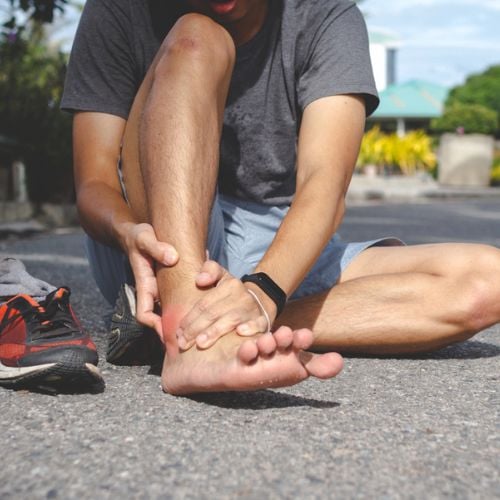
Foot pain from sesamoiditis typically develops gradually and worsens as you continue to aggravate the area through physical activity. When inflammation sets in, you may experience pain and limited range of motion in the great toe.
Other symptoms of sesamoiditis include:
- Inability to bend or straighten the big toe
- Pain during dorsiflexion (lifting the toes toward the shin)
- Pain at the base of the big toe, around the ball of the foot
- Trouble walking or putting weight on the foot
- Swelling
- Red or flushed skin
- Bruising
How is sesamoiditis diagnosed?
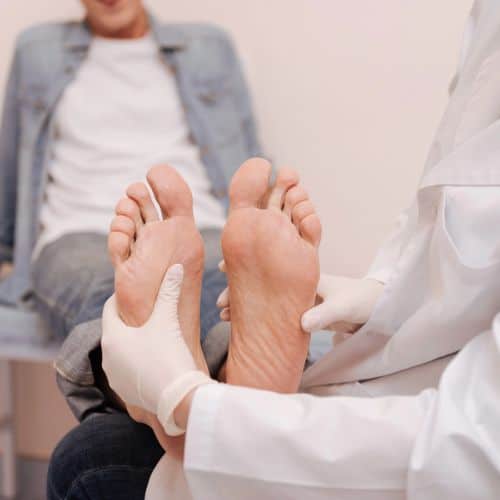
Dr. Baravarian has multiple ways to evaluate and diagnose sesamoiditis. A physical exam to assess range of motion, pain level, and response to flexing and weight-bearing allows him to estimate the extent of the injury.
Radiographs, such as standard X-rays, also help evaluate the extent of the injury and determine if a fracture is present. A bone scan or CT scan may also be performed to diagnose areas where the bone is irritated and look at the surrounding soft tissue.
How is sesamoiditis treated?
The American Academy of Orthopaedic Surgeons generally advises keeping sesamoid injury treatment conservative. However, these bones have a limited blood supply and are difficult to heal if not treated early.
Without treatment, every step after the initial injury causes continued trauma to the bone, leading to chronic pain and inflammation. Continued aggravation of the bone or extensive fracture causes the bone to lose its blood supply and die (avascular necrosis). Therefore, working with a foot and ankle specialist, Dr. Bob Baravarian, is essential to determine the best treatment for your sesamoid condition.
Conservative sesamoiditis treatment
Dr. Baravarian always tries to use conservative treatment when possible. When caught early, sesamoiditis can be treated without surgery using support and pain management. Resting and keeping pressure off the foot can allow the sesamoid and tendons to heal on their own.
Conservative treatment options may include:
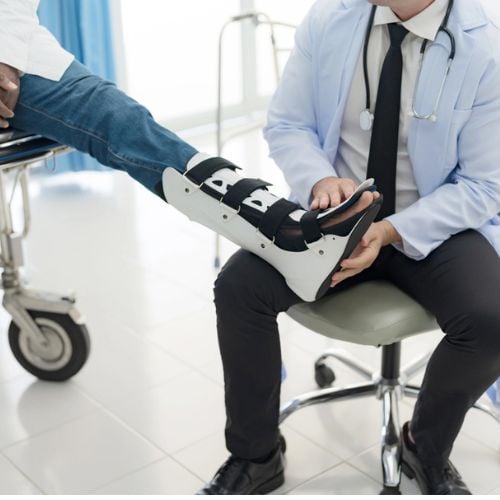
- Immobilization with a walking boot keeps weight off the injured foot and keeps the joints from moving. This allows time for the inflammation to go down.
- Take a break from sports to rest your foot.
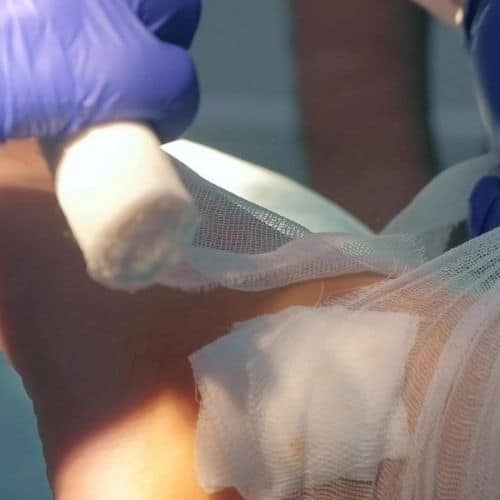
- Ice packs, compression, and non-steroidal anti-inflammatory drugs (NSAIDs) all help reduce inflammation and relieve sesamoid pain.
- Anti-inflammatory steroid injections can be administered if over-the-counter anti-inflammatories aren’t providing relief.
- Physical therapy can improve circulation to the affected area, build strength and flexibility, and decrease your risk of future injury.
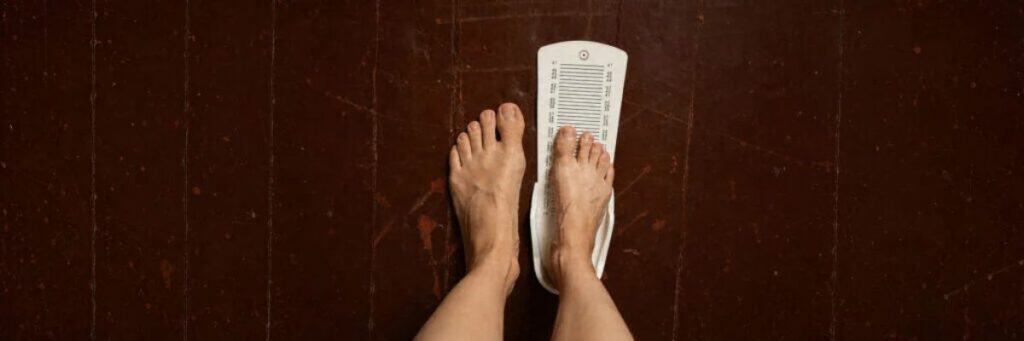
- Over-the-counter or custom orthotics provide extra support and take pressure off the ball of the foot, reducing your risk of re-injury.
Sesamoiditis surgery
Sesamoiditis can usually be controlled and improved with non-surgical treatment, but when the pain does not improve with conservative measures, surgery may be recommended. Surgery to alleviate sesamoiditis generally involves removing part or all of the affected sesamoid bone.
What is a sesamoid fracture?
Sesamoiditis stems from overuse and stress on the joint, but if there is repetitive stress on the area, a sesamoid stress fracture may occur. Stress fractures are tiny, hairline cracks in the bone that can worsen over time.
Stress fractures are usually caused by repetitive motion, such as walking, running, or dancing. Sesamoid stress fractures can often occur alongside other athletic-based injuries, such as turf toe.
Alternatively, a total fracture of the sesamoid may result from trauma to the small bones during a hyperextension injury of the big toe or a fall. A direct impact or blow to the sesamoid bones can also result in a fracture.
What are the symptoms of a sesamoid fracture?
Most patients with a sesamoid fracture describe a deep, achy, or sharp pain in the ball of the foot behind the big toe with every step taken. Pain is often acute and occurs immediately after trauma. In many patients, the pain may lessen when the foot is at rest, but it won’t subside completely.
Symptoms of a traumatic sesamoid injury can include:
- Sudden pain
- Swelling
- Bruising
- Inability to flex or bend the big toe
- Pain when bearing weight on the foot
How is a sesamoid fracture diagnosed?
Similar to sesamoiditis, Dr. Baravarian will begin with a physical exam and manipulation of the area. An X-ray will also be used to determine if the sesamoids are in the correct position. In some cases, an MRI may be used to evaluate the bone’s blood supply and the surrounding ligaments and tendons.
What are the sesamoid fracture treatment options?
Surprisingly, a sesamoid fracture may not always require surgery.
Conservative sesamoid fracture treatment
Conservative treatment for a fracture is similar to treatment for sesamoiditis. It’s essential to rest the foot and keep weight off the joint while it heals.
- Immobilization with a short leg fracture brace or taping the toes prevents further damage while your sesamoid heals.
- Over-the-counter painkillers and anti-inflammatory medications can help manage discomfort as the area heals.
- Orthotic devices may need to be worn for several months following the injury.
Sesamoid fracture surgery
In severe cases, sesamoid fracture treatment may require surgical intervention. Surgery to remove all or part of the sesamoid is only recommended in severe cases, such as when chronic pain hinders daily activities. Excision, or removal, of the fractured sesamoid is called a sesamoidectomy. However, as complications can arise from removing the bone, it is often only offered if conservative treatment fails.
How can I prevent sesamoid injuries?
There are ways to prevent sesamoid inflammation. Wearing cushioning shoes or custom orthotic devices that lessen the impact on the ball of the foot may help.
Stiff-soled shoes can also help reduce the bend in the toe if you are engaged in physical activity that requires pushing off, such as lunges. Because high heels can exacerbate the problem, opt for low-heeled shoes instead. However, even with proper footwear, sesamoiditis can arise.
If you start feeling pain, decrease your activity level and give your foot time to rest. Appropriate footwear, preventative therapy, and not ignoring the problem can keep your sesamoiditis from worsening.
Choose Dr. Baravarian for your sesamoid care
Dr. Baravarian has decades of extensive experience in the treatment of stress and trauma to the foot, including sesamoiditis and sesamoid fractures. He utilizes the latest technologies available to provide the most accurate diagnosis and treatment possible, enabling you to get back in the game as quickly as possible.
While he always opts for the most conservative treatment, you can be assured that you are being genuinely cared for. With Dr. Bob, you have decades of experience and state-of-the-art techniques in your corner.
To schedule a consultation, please call (855) 557-5400 or make an appointment now.
Dr. Bob Baravarian is conveniently located in Los Angeles, near Cedars-Sinai Medical Center, providing expert foot and ankle care for patients throughout Southern California.
Frequently Asked Questions about Sesamoiditis
Can gout cause sesamoiditis?

While sesamoiditis is usually caused by overuse or pressure-related injury, it’s theoretically possible for gout to contribute to or exacerbate sesamoiditis. If a gout attack occurs in the big toe joint (a common site for gout), the inflammation and swelling could potentially affect the nearby sesamoids, leading to added stress or secondary inflammation in that area.
However, it’s important to note that this would be an indirect effect. The primary causes of sesamoiditis and gout are different, and the presence of one does not necessarily mean the other will occur.