What is calcaneal apophysitis?
 What is calcaneal apophysitis?
Calcaneal apophysitis (more commonly called Sever’s disease) is a foot condition that predominantly affects children, especially those who are active in sports. In fact, Sever’s disease is the most common cause of heel pain in young athletes.
It commonly presents as unexplained heel pain that isn’t the result of trauma. Because many things can cause heel pain, it’s important to consult with a trained pediatric podiatrist to find the root of your child’s heel pain. While it could just be overuse or strain, it could also be Sever’s disease.
What causes Sever’s disease?
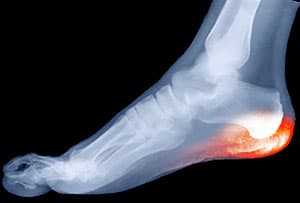
Sever’s disease can occur when the calcaneus (heel bone) grows faster than the leg muscles and tendons. If heel bone growth outpaces the calf muscles, the Achilles tendon, which connects these two structures, can become strained.
Pain and inflammation at the Achilles tendon attachment site to the heel can be especially prevalent in adolescents during growth spurts associated with puberty, typically occurring in girls between 8 and 13 years of age and boys between 10 and 15 years of age.
A growth plate is the cartilaginous part of the end of a growing bone. Over time, the cartilage cells transform into hardened bone cells, forming a fully mature bone.
If the Achilles tendon is pulled tight by the tension exerted from the heel’s growth, and the child then participates in sporting activities, Sever’s disease can develop. Active children with Sever’s disease experience pain because the Achilles tendon pulls directly on the growth plate of the heel bone.
An overuse injury like Sever’s disease not only causes inflammation, swelling, and pain in the heel, but the repetitive stress can also damage the growth plate.
What are the symptoms of calcaneal apophysitis?
Sever’s disease symptoms can manifest in both heels or just one. Some common signs and symptoms include:
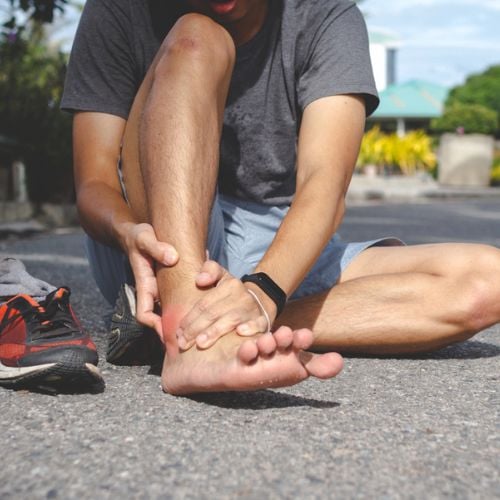
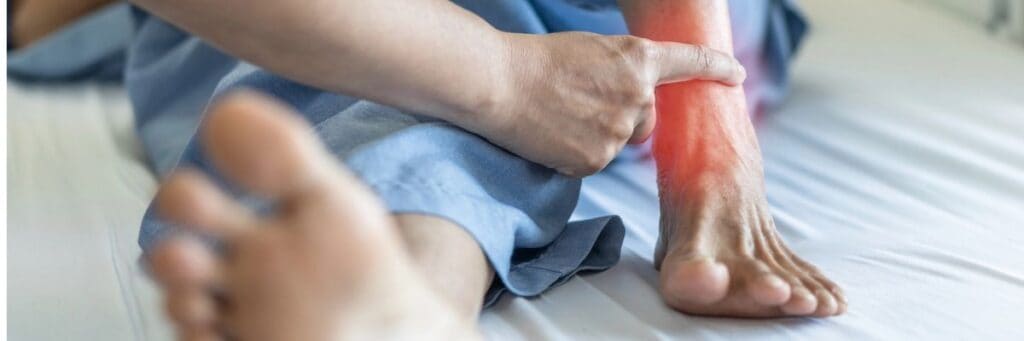
- Pain, swelling, redness, and tenderness in the back of the heel
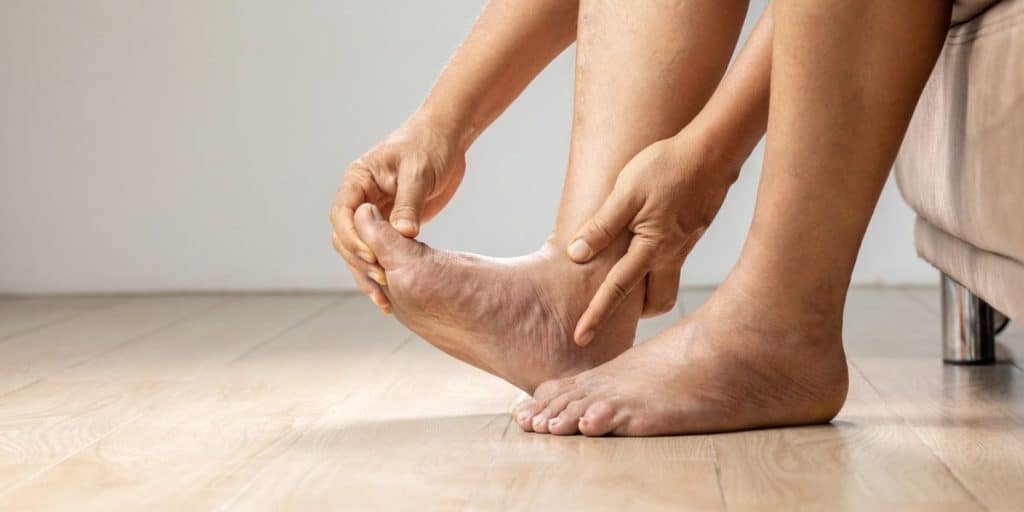
- Pain in the sides or bottom of the heel
- Pain that is exacerbated by activity then subsides with rest
- Discomfort and stiffness while walking
- Limping or tiptoeing to avoid heel pain
- Pain when squeezing the sides of the heel between two fingers
- Difficulty running
What are some risk factors for Sever’s disease?
Calcaneal apophysitis can affect any child; however, certain children are at an increased risk. Risk factors that can increase your child’s risk of Sever’s disease include:
- Physical activity: Runners, gymnasts, soccer players, and basketball players are more likely to have Sever’s disease because they spend a lot of time running and jumping (especially on hard surfaces).
- Improper shoes: Cleats center the force of running’s impact on the heel and can also exacerbate other foot problems (such as flat feet). Ill-fitting shoes that rub on the back of the heel can also lead to calcaneal apophysitis.
- Irregular arches: Flat feet and high arches can both put added strain on the Achilles tendon, causing it to pull on the heel.
- Short-leg syndrome: If one of your child’s legs is shorter than the other, the heel of the shorter leg has to work harder to hit the ground. This can cause strain on the Achilles tendon, which pulls harder on the growth plate in the foot.
- Obesity: Carrying extra weight can put extra pressure on the feet, leading to Sever’s disease.
How is Sever’s disease diagnosed?
When diagnosing sports-related heel pain in children, the first step Dr. Bob takes is to conduct a comprehensive medical history and physical examination.
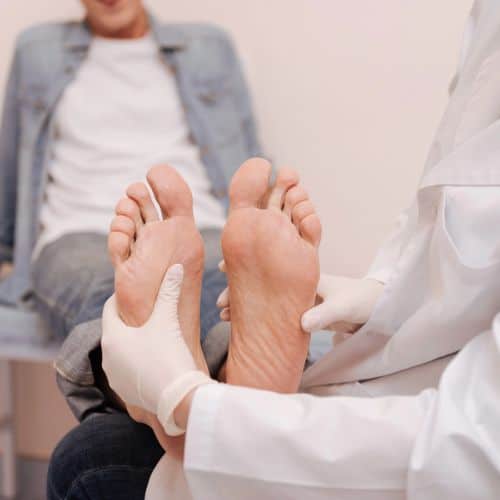
Typically, the foot will appear normal from the outside, with no signs of redness or swelling. Therefore, Dr. Bob may need to perform a simple squeeze test, which can be done in the clinic. Pain when the foot is squeezed at various points can indicate Sever’s disease.
Dr. Bob may also ask your child to stand on their tiptoes to check for sources of pain. Most of the time, an X-ray is not necessary, but it may help rule out other possible problems, such as an acute injury.
What is the treatment for Sever’s disease?
Though there are several treatment options to manage the symptoms of Sever’s disease, the only “cure” for the condition is to outgrow it. It may take up to two years for your child to complete their growth spurt.
In the meantime, Sever’s disease treatment consists of helping your child manage the pain by:
Resting
Your pediatric foot and ankle specialist will likely recommend reducing physical activities that involve running and jumping. Your child may be able to stay active through activity modification or cross-training, such as swimming, cycling, rollerblading, or playing sports that put less strain on the Achilles.
Stretching the leg muscles
Dr. Bob frequently recommends stretching as a way to prevent injuries and manage sports, and they can demonstrate a few Severs’ disease stretches that can help stretch and strengthen the Achilles.
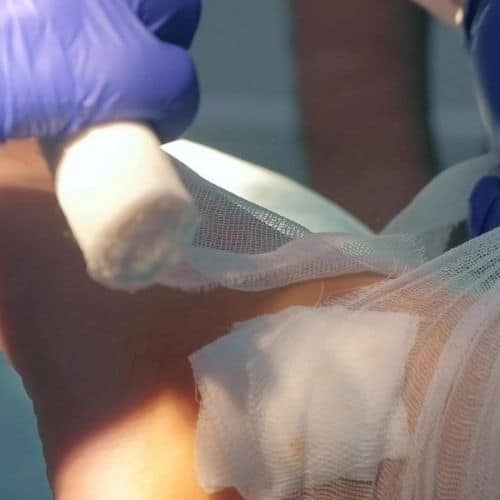
Wearing elastic wraps or compression socks
Supportive wraps and socks can reduce heel discomfort and swelling during weight-bearing activities.
Wearing appropriate shoes
Wear supportive shoes that are appropriate for your child’s activity.
Icing and elevation
Wrap an ice pack in a cloth and apply it to the heel for 15 minutes, three times per day. You should do this even on days when your child doesn’t complain of pain. Icing combined with elevation can reduce swelling.
Taking oral medication
Over-the-counter nonsteroidal anti-inflammatory drugs (NSAIDs) like ibuprofen (Motrin) can reduce pain and inflammation.
Orthotic inserts
These custom-fitted padded shoe inserts alleviate pressure from the heel, distributing it over a larger area of the foot. This can relieve the strain on your child’s heel, reducing pain and giving your child’s foot a better chance to heal. Additionally, heel cups can protect the heel and provide padding and shock absorption.
Immobilization
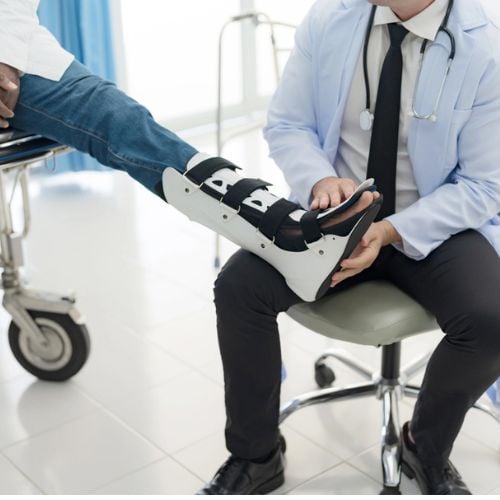
In severe cases, Dr. Baravarian may put your child’s ankle in a boot or cast to immobilize the foot and allow the growth plate to heal.
Recovering from Sever’s disease
With rest and proper treatment, most cases of Sever’s disease will improve within two to eight weeks. Although your child may be reluctant to stop playing their favorite sports, it’s important to get rest and treat the symptoms sooner rather than later. The sooner you seek treatment, the quicker your recovery will be. Fortunately, there are no lasting negative effects for your child as they grow into young adulthood.
Calcaneal apophysitis may return if steps are not taken to support the heel and protect the growth plate from stress. Ensure your child wears supportive, well-fitted shoes with shock-absorbing soles to cushion the heel from repeated impact. For casual, everyday wear, Dr. Bob recommends buying your child shoes without backs, such as sandals or clogs, so that the heel has room to expand and move.
Heel pads, heel lifts, and/or arch supports are good for long-term foot health. Consult with your foot and ankle specialist to determine the best orthotics for your child.
Dr. Baravarian is here to help with pediatric foot and ankle conditions
Dr. Bob has decades of experience treating a wide range of foot and ankle conditions in individuals of all ages. Using gentle care and best practices, he can accurately diagnose and manage your child’s Sever’s disease and the painful symptoms accompanying flares.
He always opts for the most conservative treatment. You can be assured that you are being truly cared for by Dr. Bob. If your child is experiencing heel pain, he encourages you to schedule a consultation.
Dr. Bob Baravarian is conveniently located in Los Angeles, near Cedars-Sinai Medical Center, providing expert foot and ankle care for patients throughout Southern California.
Sever's Disease FAQs
Can you play sports with Sever's disease?

Whether or not a child or adolescent with Sever’s disease can continue to play sports depends on the severity of their condition and their individual circumstances.
Consulting with a foot and ankle specialist is essential for proper evaluation and guidance on sports participation. In Southern California, consult with Dr. Bob Baravarian.
Can adults get Sever's disease?
Sever’s disease, also known as calcaneal apophysitis, is primarily a condition that affects children and adolescents, typically between the ages of 8 and 14. Heel pain in adults is more likely to be related to other conditions, such as plantar fasciitis, Achilles tendonitis, or heel spurs.
Can Sever's disease cause knee pain?
While Sever’s disease primarily manifests as heel pain, it is possible for it to indirectly contribute to knee pain in some cases. This is due to overcompensation, muscular imbalances, and altered gait.
Can Sever's disease cause permanent damage?
Sever’s disease is generally considered a self-limiting condition, meaning it tends to resolve on its own as the child or adolescent’s growth plate in the heel matures and fuses. With appropriate management and care, it typically does not cause permanent damage.
Does Sever's disease stunt growth?
Sever’s disease does not typically stunt a child’s growth.
How long does Sever's disease usually last?
The duration of Sever’s disease can vary from one individual to another, but it typically lasts several weeks to several months. The course of Sever’s disease depends on several factors, including the individual’s age, the severity of the condition, adherence to treatment and activity modification, and how quickly the growth plate in the heel matures and closes.
Is plantar fasciitis the same as Sever's disease?
No, plantar fasciitis and Sever’s disease are not the same conditions; they are two distinct foot problems that affect different age groups and areas of the foot.
Is Sever's disease hereditary?
No. Sever’s disease is not considered a hereditary condition in the sense that it is not directly passed down from parents to their children through genetics. Instead, Sever’s disease is primarily related to factors such as growth patterns, biomechanics, and physical activity.