How Dr. Bob Baravarian Treats Hammertoes Without Metal Hardware
What's a hammertoe?
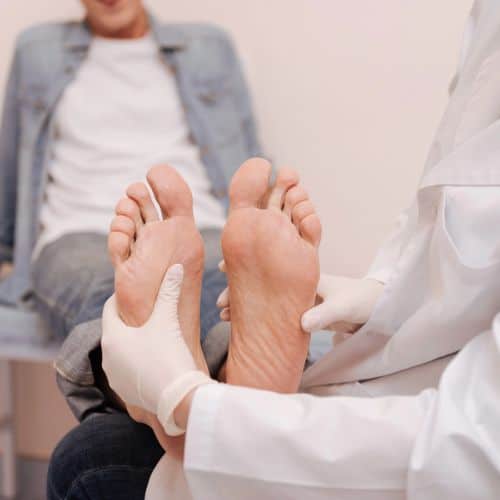
A hammertoe occurs when the middle joint of the toe develops an abnormal bend and becomes flexed or bent downward. This results from a muscle imbalance around the toe joints and typically affects the second, third, and fourth toes.
This imbalance causes the toe to bend at one or more joints, ultimately pushing the middle of the toe upward into a claw-like position.
Unfortunately, a hammertoe causes pain and will not improve without treatment. The sooner it is addressed, the better the outcome and the shorter the recovery period.
What causes a hammer toe?

Although hammer toes are primarily hereditary, they can develop over time as the toe’s tendon is abnormally stretched and pulled. This foot health issue can arise due to several different risk factors, including:
- Trauma or injury to the foot or toe
- Abnormally high arches
- Flat feet
- Weak calf muscles
- Wearing shoes that are too tight, too pointy, or lack arch support.
- Children wearing shoes they have outgrown.
- Strain caused by a bunion as the second toe elevates and becomes bent to make room for the shifting big toe.
- Diseases that affect the bones, muscles, tendons, and ligaments. Arthritis, diabetes, neuromuscular disorders, and stroke can all increase the likelihood of hammertoe.
What are the symptoms of a hammer toe?
The primary symptoms of hammertoe include difficulties with walking and other foot issues, such as blisters, calluses, and sores. Additionally, pain may arise from constant friction over the top of the toe’s main joint.
It may be difficult to fit into some shoes because of the extra space required for the deformed toe. In many cases, there is pain in the ball of the foot over the metatarsals, along with callus formation. This occurs because the toes do not function properly and fail to effectively touch the ground during the gait cycle. Consequently, the ball of the foot endures the brunt of the ground forces, leading to chronic pain.
What non-invasive treatment options exist for hammer toes?
When caught early, there are more conservative options available. The goal of early treatment is to accommodate the hammertoe, relieve pain, and prevent the deformity from worsening. Some options include:
Better footwear
Choose comfortable, properly fitting shoes with a wider toe box that are half an inch longer than your longest toe. Shoes made with Lycra are often a good choice. Avoid pointy or narrow shoes, and if you wear high heels, keep the heels to two inches or less.
Toe braces and taping
Certain toe braces and taping techniques can relieve some pressure on the toes while you walk.
Custom orthotics
Custom-molded shoe inserts can redistribute forces through the tendons that control the toe, reducing both pain and the severity of the deformity.
Foot rollers
Dr. Bob can provide you with a therapeutic foot roller to use at home for stretching and massaging the tendons in your foot, alleviating tension and pain.
Anti-inflammatory medication and ice packs
These treatments can help alleviate swelling and reduce pain.
Surgical treatment options for a hammer toe
For more severe hammertoe, Dr. Baravarian resorts to surgical correction to reposition the toe and enhance its function. Correcting hammertoes is an outpatient procedure with minimal downtime.
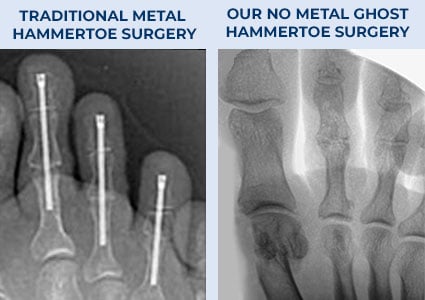
Fusing the toe: OSSIOfiber® non-metal ghost implant system
The best option is to fuse the affected toe, as this minimizes the need for future surgery and reduces the risk of the hammertoe returning.
Hammertoe correction is far more complex than most people realize. Traditional techniques often rely on long metal pins or buried screws that can cause swelling, irritation, or prolonged recovery.
At our practice, we’ve advanced this procedure using the OssioFiber® non-metal hammertoe implant system, a next-generation solution developed in collaboration with Dr. Bob Baravarian. This innovative implant is crafted from a material that closely resembles natural bone and gradually integrates into your own bone, eliminating the need for permanent hardware.
Why this matters
With traditional metal implants, the hardware can show up as a shadow on X-rays, obscuring the fusion site. The Ossio non-metal implant, however, is radiolucent, allowing the surgeon to clearly see bone healing and alignment. Over time, the implant is absorbed and replaced by your body’s own bone, offering excellent fixation strength, reduced inflammation, and faster recovery, all without the complications of metal.
As Dr. Baravarian explains: “In the past, hammertoe correction required metal pins that could stick out from the toe or cause irritation. Working with Ossio, we helped develop a bio-integrative implant that stabilizes the toe, promotes faster healing, and becomes your own bone over time. There’s no metal, nothing to remove, and recovery is much smoother.”
Another advantage of the Ossio system is that it allows the toe to be precisely positioned (either straight or with a natural 10-degree downward angle), resulting in a more comfortable and natural-looking outcome.
In the most extreme cases, the removal of a small area of bone in the deformity area will decrease pain and limit the need for a surgical waiting period, which is found with fusions. Although the toe is not as stable as with a fusion, in certain cases, an arthroplasty is the best option.
What are the benefits of hammertoe surgery?
After surgery, patients can look forward to returning to the activities they love. Pain and discomfort are addressed, and there will be no pain while walking or hiking since the toe joints will no longer experience pressure or rub against the inside of shoes.
This results in better health, which in turn enables patients to live active lives. They will no longer feel self-conscious about taking their shoes off at the beach and can feel comfortable walking barefoot.
What is the hammer toe surgery recovery?
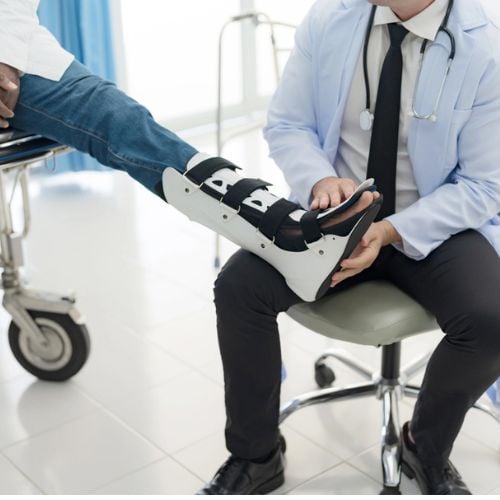
The procedure to correct a hammer toe takes about one hour. After the surgery, patients wear a walking boot for six weeks to protect the foot during the healing process. Following that, you will experience a decline in swelling for around two more weeks, but you will be able to wear shoes.
Can hammertoe and bunion surgery be done together?
Yes, and for many patients it’s the better approach. A bunion often pushes against the second toe and destabilizes it over time, which is a common cause of hammertoe. Correcting the hammertoe without addressing the bunion leaves that underlying cause in place and raises the risk of the hammertoe coming back. Dr. Baravarian routinely corrects both in a single procedure, which means one anesthesia, one recovery period, and lower overall cost than two separate surgeries
Why choose Dr. Bob Baravarian for hammer toe treatment?
Dr. Bob Baravarian, DPM, has helped transform the treatment of hammer toes over the past two decades. He takes pride in providing the most advanced diagnostic technology and treatment options available.
Dr. Bob presents his revolutionary approach to the surgical treatment of hammertoes and related foot deformities. He utilizes a screw or absorbable pin to promote rapid healing and early weight-bearing. There is often no need for a pin to protrude from the toe post-surgery, which can be a source of infection and rigid fixation. Dr. Baravarian’s goal is to ensure you are back on your feet in the least invasive and fastest way possible.
Dr. Bob Baravarian is conveniently located in Los Angeles, near Cedars-Sinai Medical Center, providing expert foot and ankle care for patients throughout Southern California.
Hammer Toe and Hammer Toe Surgery FAQs
What are mallet toe and claw toe?

Similar to hammertoe, mallet toe and claw toe are deformities that cause the toes to bend downward. Unlike hammertoe, mallet toe affects the joint closest to the toenail, while claw toe involves the joint nearest to the ball of the foot. Both mallet toe and claw toe share many of the same causes, symptoms, and treatment methods as hammertoe.
Is hammertoe surgery painful?
Most patients are surprised by how little pain they experience. Dr. Baravarian uses a long-acting local anesthetic nerve block at the time of surgery so patients wake up comfortable. The combination of a stable surgical construct, anti-inflammatory medication, elevation, and ice means the majority of patients report needing minimal or no prescription pain medication beyond the first day or two.
What are the risks of hammertoe surgery?
Hammertoe surgery is generally safe and predictable, but like any surgery it carries some risks. The most common is swelling, which can last two to four months. Less common risks include infection, temporary numbness, the toe sitting slightly raised after surgery (floating toe), the bones not fully fusing, and the hammertoe returning over time. Dr. Baravarian chooses the right technique for your toe and addresses contributing problems, like a bunion, to keep these risks as low as possible.
Are hammertoes the same as corns?
No, but corns often develop alongside hammertoe. Corns appear as tough bumps of skin that form over a joint in the foot or toe. They are essentially layers of skin that have developed in response to the joint rubbing against the inside of your shoe.
How is hammertoe treated?
Mild and moderate cases of hammertoe are typically treated conservatively with orthotic inserts and well-fitting shoes that allow for comfortable movement and encourage healing.
How does hammertoe surgery affect performance in sports, especially football and running?
Hammertoe correction surgery genuinely enhances sports performance, particularly in grip and foot strength.
Can hammertoe be treated with surgery?
Severe hammertoes may be treated with surgery. Surgery can reduce pain and improve the appearance and functionality of the toes. Hammertoe correction surgery is an outpatient procedure with very little downtime.
What can I expect during my recovery from hammertoe surgery?
Most patients can walk with the aid of crutches and a special boot provided by their doctor. Pain and swelling are typical for about a week after surgery. Your doctor can prescribe medication to help manage the pain. Be sure to get plenty of rest and keep your foot elevated while sitting or lying down.
After hammer toe surgery:
- 2-3 weeks: Stitches may be removed.
- 4-6 weeks: Any surgical pins that were used may be removed.
- 6 weeks: Average recovery time. Some people may return to their normal routine as soon as 2 weeks,while others may take up to 3 months.Generally, the pinky toe is the quickest to recover, while the second toe takes the longest.
Can a hammertoe come back after surgery?
Some cases of hammertoe may relapse after surgical correction. Depending on the type of surgery and your aftercare routine, the deformity might return. If your toe starts curling again and you experience discomfort, consult your foot and ankle specialist.
Flexible hammertoe vs. rigid hammertoe: what’s the difference?
The difference is whether the bent toe can still move. A flexible hammertoe can be straightened by hand, because the joint hasn’t stiffened yet. It can often be managed with roomier shoes, padding, and toe exercises, and if surgery is needed, a tendon procedure may be enough. A rigid hammertoe is stuck in its bent position because the joint has tightened or developed arthritis. It usually needs surgery to correct, such as removing part of the joint or fusing it straight. Flexible hammertoes can become rigid over time, which is why early treatment matters.