Like most parts of a newborn’s body, your infant’s feet are undeveloped at her time of birth. As she grows and learns to walk, the soft, pliable tissue that structures her feet will solidify into bony tissue in a process known as ossification. Her feet will continue to grow and develop well into her late teens.
You can help your child’s feet to develop as naturally as possible by choosing the right footwear and providing her with plenty of opportunity to exercise. Children’s feet grow in spurts, so it is important to keep an eye on their changing size. Until your child is 2 years old, we recommend checking their foot length every two months and then every three months until they are 3 years old.
Child foot development: 3-6 Months
Your baby’s foot is structured by tissue similar to cartilage that will eventually ossify into bone. Gaps between the tissues allow the foot to easily – and painlessly – bend out of shape.
Shoes to choose – Avoid overly tight or rigid shoes that force your child’s feet into unnatural positions. Shoes should have flexible soles with smooth interiors that won’t rub or irritate the skin.
6-9 Months
As your baby puts weight on her feet, the cartilage-like tissue will harden to become fully-formed bone tissue. This is why early foot development is so important to your child’s future well-being. Ill-formed feet can increase the likelihood of stress and overuse injuries, like plantar fasciitis and bunions.
Shoes to choose – Shoes should fit comfortably and leave 1cm of room in the toes for growth. Since your child will be learning to walk in this stage, make sure her shoes have grippy, textured soles and protective material surrounding the toes and heels.
9-18 months
Each foot now has 25 continually-growing bones, but the navicular bone – located where you would tie shoelaces – hasn’t yet developed. It’s quite normal for a toddler to have flat feet until around age 5. Her arch will gradually develop as she ages.
Shoes to choose – During this stage, it seems like your toddler is outgrowing her shoes every day! She’ll go up about two whole sizes each year.
Buying second-hand is a good choice for the budget-conscious, as long as the shoes aren’t too worn in. Examine the soles for signs of wear and call your foot and ankle specialist if you have questions. Just make sure the shoes are well-cushioned for active playtime.
2-4 years
As the navicular bone ossifies and “baby fat” in the feet melts away, your child’s feet will start to look more mature. Your child’s feet now have 45 separate bones – many of which will fuse together into her teen years.
Shoes to choose – Most children still have flat feet at this stage, so you shouldn’t need to worry about arch supports. Soles should be flexible in the front and sturdy in the back.
4+ years
Your child’s feet will enter a slower state of growth – about one whole size each year – as her bones start to fuse and her arch develops.
Shoes to choose – The key word here is durability. Your child’s shoes will need to stand up to hours of pounding and playing every day.
How can I help my child’s feet develop naturally?
Here are a few tips that will let them grow, develop and strengthen as naturally as possible:
Encourage flexibility by tickling her feet and playing with her toes.
As she begins to stand and walk, allow her to strengthen the muscles and tendons in her feet by letting her walk around barefoot. This is best done indoors for safety reasons.
When tucking your child in for bed, make sure her legs have room to kick and move freely.
Select cotton or cotton-wool blend socks and stockings to absorb moisture and keep the feet warm.
Your baby’s feet will size up quickly. Keep checking her socks to make sure they aren’t restricting circulation.
Booties and shoes should leave a little room for growth in the toes.
What pediatric foot problems should I look for?
Your child may not notice or be able to tell you when something is wrong with her feet. Check them daily, especially after playing outside. Common foot conditions in children include:
Ingrown Toenails. An ingrown toenail occurs when the nail grows into the nearby flesh, causing redness, swelling, and pain. You can generally prevent ingrown toenails by cutting the nail with clippers straight across, instead of curved. Never cut down the side of the nail. Use a file to soften sharp edges.
Blisters. Your child can get blisters when breaking in new shoes or when her shoes fit a little too loosely and rub against her skin. If she has a blister, take her shoes and socks off and let the blister resolve itself. Do not pick or pop the blister. If the skin breaks on its own, use a topical antibiotic ointment and clean bandage to avoid an infection.
Warts. Warts are caused by a virus and are very common in children. They can appear in singles or clusters, and can easily spread to other parts of the body through touch. They usually clear up on their own within a year or two, but you can speed up the process with over-the-counter medication.
Plantar Warts. A plantar wart (aka verruca) is a flat wart found on the sole of the foot. Plantar warts are usually white with a black spot in the center, and they can be painful to walk on. Your child’s foot and ankle specialist can treat this type of wart.
Athlete’s Foot. Athlete’s foot is an itchy rash between the toes caused by a fungal infection. Athlete’s foot is more common in children who visit public swimming pools and use public showers. It’s okay to use these facilities, but make sure to dry between your child’s toes afterwards and dress her in clean cotton socks.
Hand, Foot, and Mouth Disease. This viral infection is common in children under age 10, which causes a spotty rash and/or blisters on the hands, feet, and mouth. The disease can also affect the diaper area and can cause fever, stomachache, and sore throat. Symptoms usually clear up after a week.
What do I need to know about developmental foot conditions?
While developmental conditions are much less common than the minor ailments above, they may need medical treatment. If you suspect a developmental problem with your child, please talk to your pediatrician or foot and ankle specialist. Developmental foot and ankle conditions include:
Flat Feet. Flat feet are to be expected from age 0-5. Arches will develop as your child gains posture and loses baby fat.
Out-toeing and In-toeing. The tendency to walk with toes pointed outward or inward (also known as pigeon-toeing) is also quite common in toddlers. Typically, out-toeing and in-toeing will correct themselves around age 8 or 9. If not, visit your child’s foot and ankle specialist.
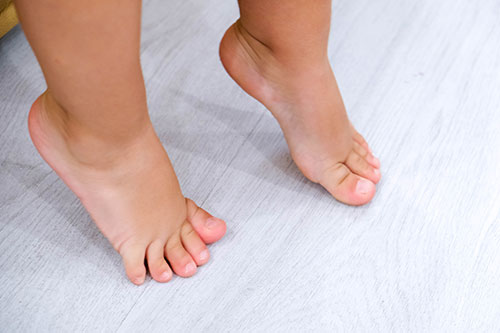
Tip-toeing. Some toddlers will do most of their cruising and walking on their tippy-toes. This isn’t a problem before age 3. After that, however, you may want to make an appointment with a foot and ankle specialist. Some conditions, including a shortened Achilles tendon and cerebral palsy, can cause toe-walking.
Club Foot. Club foot is a congenital disorder in which a baby is born with one or both of their feet twisted awkwardly inwards and downwards. About 1 out of every 1,000 children is born with clubfoot. Visit a foot specialist right away to begin treatment. Most cases can be treated without surgery.
If you’re concerned about your child’s foot development, Dr. Bob is here to help. As a nationally recognized foot and ankle specialist, he provides advanced podiatric care with some of the highest success rates in the nation and is a leader in the research, diagnosis, and treatment of all foot and ankle conditions.
Dr. Bob Baravarian is conveniently located in Los Angeles, near Cedars-Sinai Medical Center, providing expert foot and ankle care for patients throughout Southern California.
Visited 38 times, 2 visit(s) today
Patient’s Talk About Dr. Bob's Quality of Care
4.8
5,220 TOTAL 1ST PARTY REVIEWS / OUT OF 5 STARS
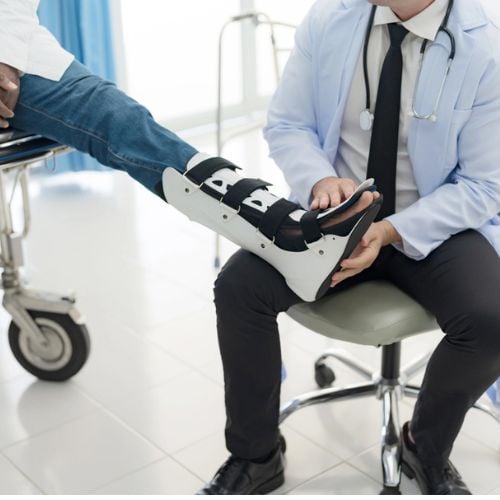
Dr. Baravarian is so great! I had an injury to my left foot. He took x-rays and provided me with a boot! I feel like a whole new person! Now I can run again with no pain!🏃♀️ I recommend you to go him for any foot and ankle issues.🦶
Dr. Baravarian is absolutely an incredible doctor. He is very experienced and I am so grateful that I found him! I had 2 PRP procedures done on my ankle and didn’t feel much pain! It’s wonderful to find a doctor that is trustworthy!
Dr. Bavarian was great. He said i didn’t need to remove part of my nail…the infection would subside. Very honest. Staff was great, kind. Irtually no wait. I recommend highly.
Dr Bob is the best! I have needed this bunion surgery for years, and when I met Dr. Bob I felt 100 percent confident he was the right Dr. to correct my bunion! I have completed the right foot and will be doing the left foot in a couple weeks! Thanks to Dr Bob I will be able to be super active and no longer have pain! I am so grateful to him.
Rachael H
I love there staff super nice and friendly and when you meet the doctor is to die for😁super friendly and he explains everything clearly and makes sure you understand everything before he leaves the room doesn’t rush you at all
I was able to get an appointment the next day after dislocating my toe. I had a great experience. The staff were friendly and the doctor answered all my questions.
I have been so impressed with Dr. Bob. Ive never sat in the waiting room one minute longer than my appointment time. That’s a real plus. More importantly is his honest, professional approach to his craft and his commitment to my recovery. He’s the best and I highly recommend him.
Dr. Baravarian is incredible! After three podiatrists and a failed surgery left me with no answers for my feet pain, Dr. Baravarian figured out the real cause of the pain in the first visit.I was ready for another surgery to fix the first one, but he held off until the root issue was treated. My hammer toe and bunion surgery went perfectly—I was amazed to have no pain afterward! Dr. Baravarian is super knowledgeable and explained everything about the surgery and recovery clearly, making me feel informed and at ease.
I also want to extend my gratitude to his staff, who were incredibly kind and supportive throughout my treatment.
dr baravarian is an excellent dr. he diagnosed my issue, prescribed the perfect remedy and his treatment has allowed me to resume all my activities. he saw me on time and his office staff is also very good
I highly recommend Dr. Baravarian. From checking in at the front desk to the doctors diagnosis everything went smoothly and diagnosis was good. After care instructions were explained well.
I consider him a knowledgeable and experienced Ankel specialist.
I chose him as my foot doctor and continue to receive treatment.
I decided to give him a 5 star rating.


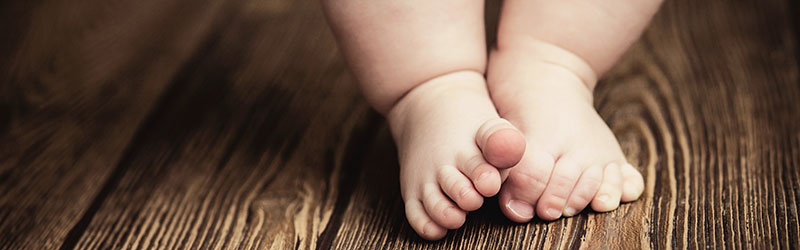
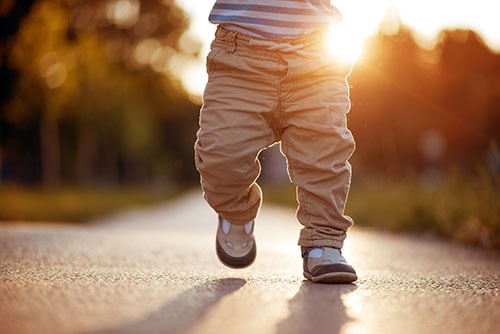
 Flat Feet. Flat feet are to be expected from age 0-5. Arches will develop as your child gains posture and loses baby fat.