Dr. Baravarian explains how OssioFiber® technology is transforming flatfoot reconstruction
Flat feet vs. cavus feet: what's the difference?
Flatfoot and cavus foot refer to various complex foot disorders, each with distinct causes and symptoms.
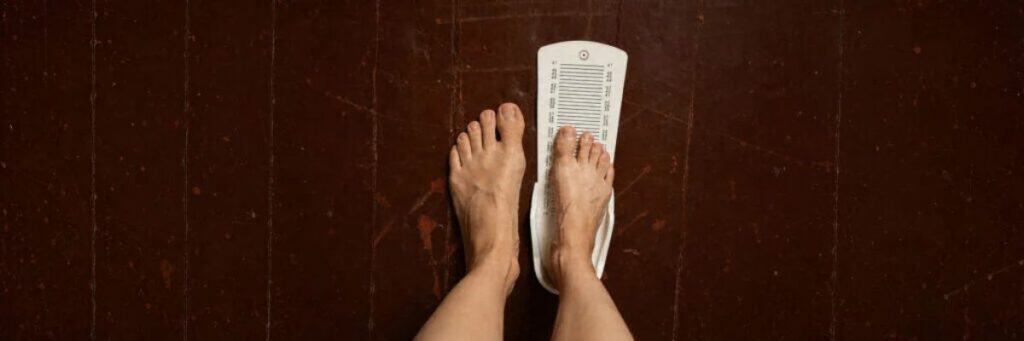
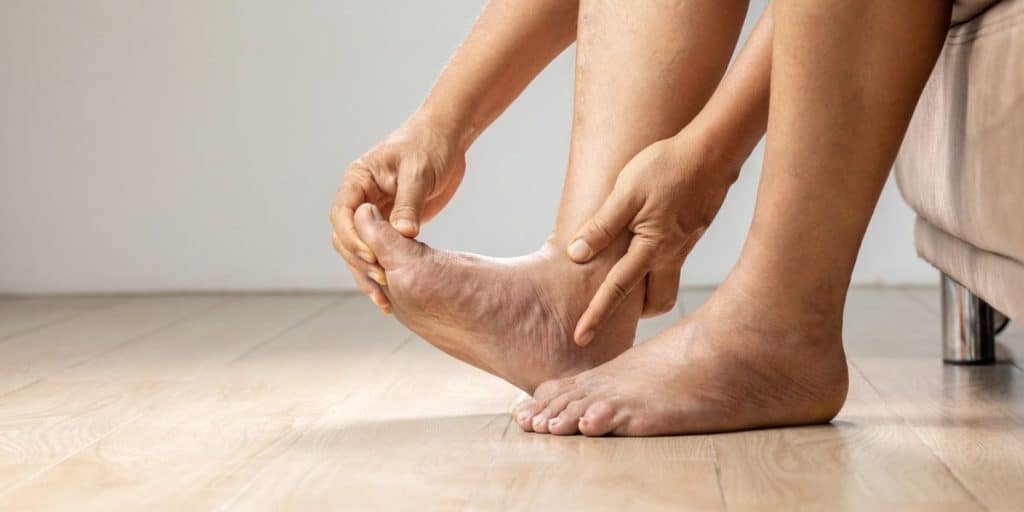
If you have flat feet, also known as pes planus, you will have a very low arch or no arch at all, which means one or both of your feet press flat on the ground.
Cavus foot is the direct opposite of flat foot and occurs when the arch is higher than normal. It is also referred to as pes cavus, and much like flat foot, it can lead to several issues, including pain in the foot, hips, knees, and lower back.
What are flat feet?
Flatfoot is a common condition that can be congenital (you’re born with it) or develop over time. Most people with flat feet experience no symptoms, and their feet function normally. However, for some, it can cause pain and discomfort.
Adult acquired flatfoot (flexible flat foot)
Adult-acquired flatfoot is, as the name suggests, developed over time. Often, there is no arch when a person walks, but there is an arch when they sit or stand on their tiptoes.
Risk factors for adult-acquired flat foot include:
- Posterior tibial tendon dysfunction: Damage to the posterior tibial tendon, which is the primary tendon supporting the arch of the foot, can result in flatfoot. A tear in the tendon, caused by years of abnormal strain, can lead to the collapse of the foot’s arch as the posterior tibial tendon weakens and unravels.
- Tight Achilles tendon and/or calf muscle: Tight muscles and tendons cause the heel to lift off the ground too early with each step.
- Overpronation: If your foot rolls inward as you walk, you’re putting strain on the muscles, tendons, and ligaments that support your arches.
- Rheumatoid arthritis (RA) is an autoimmune condition that can damage tendons in the foot, potentially leading to flat feet.
- Other contributing factors to flat feet include obesity, hypertension, and diabetes mellitus.
Los Angeles foot and ankle surgeon Dr. Bob Baravarian has conducted extensive research and developed multiple treatments and orthopedic products to address this condition. In many cases, advanced regenerative therapies such as stem cell and PRP injections can help restore tendon health without surgery.
When surgery is required, Dr. Baravarian draws on pioneering techniques he has developed over his career to deliver lasting correction and stability.
Pediatric flatfoot
As a baby grows, the tendons in their feet strengthen, contributing to the development of a normal arch in the foot. However, in some children, an arch never develops properly, which can lead to various problems.
Some children with flat feet experience foot pain or discomfort during exercise and may begin to withdraw from sports and other physical activities. In some cases, the fallen arch can lead the knee and leg to rotate inward, potentially resulting in foot, back, and knee problems.
It’s important to seek medical advice to prevent further pain or future foot issues. Children can experience both flexible and rigid flat feet conditions.
Tarsal coalition
Tarsal coalition, also known as rigid fixed flatfoot, is a type of flat feet in which the foot is permanently fixed in a flat position. This condition may occur when two bones in the rear of the foot are fused together from birth, making the joints of the hindfoot and the foot, in general, less mobile.
Although most people with fixed flatfoot are born with the condition, symptoms typically do not manifest until the foot bones begin to mature, around puberty (ages 9-15).
What are the symptoms of flat feet?
While the most obvious symptom of flat feet is their noticeable flatness, there are many other side effects that suggest your flat feet require a professional evaluation. Some of these include:
- Pain in the lower back
- Aching pain in the arch, heel, ankle, or lower leg
- Shin splints (pain running up the shin bone, especially when weight-bearing)
- Ankle rolling inward
- Foot and leg fatigue after a few hours of standing or walking
- “Toe-drift,” a condition in which the toes gradually begin to point outward. This tendency can cause bunions and hammertoes in some patients.
How is flatfoot treated?
Treatment for flat feet generally requires only support and pain management. Dr. Bob always begins with the most conservative and least invasive options whenever possible.
What are conservative treatments for flat feet?
Most cases of flatfoot deformity can be treated conservatively. There are several non-surgical options available to relieve your discomfort, including:
- Supportive shoes with firm soles.
- Orthotic inserts
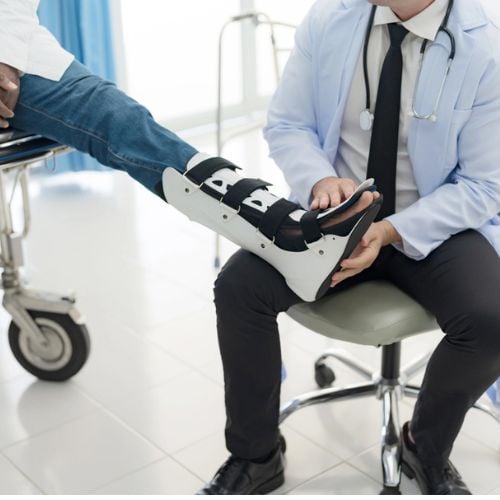
- Custom bracing
- Modify painful activities
- Nonsteroidal anti-inflammatory (NSAID) painkillers
- Lose excessive weight
- Physical therapy
Regenerative treatments for flatfoot
Restorative medicine options have enhanced existing treatments for flat feet and significantly reduced the necessity for surgery.
Restorative medicine enhances the body’s natural ability to heal damaged tendons and ligaments. Some treatment options for restoration include platelet-rich plasma, amniotic stem cell injections, and bone marrow stem cell therapy.
Surgery to treat flatfoot
In severe cases, conservative treatments may not fully correct the underlying problem causing your discomfort. When this happens, your specialist may recommend flatfoot reconstruction surgery to restore proper alignment and function.
There are several surgical techniques available, and your treatment plan will be carefully tailored to your specific needs and the severity of your condition. At our practice, we utilize OssioFiber® bio-integrative fixation, an advanced non-metal technology that provides the strength of metal while gradually becoming part of your own bone — reducing swelling, inflammation, and recovery time for a smoother, more natural healing process.
Dr. Bob’s innovative OssioFiber® technique: less pain, no hardware removal, and faster healing.
What is a cavus foot?
A cavus foot is the opposite of flat feet. A cavus foot has a very high arch and is often present at birth, though it can develop at any age. It may affect one or both feet. The high-arched foot places excessive weight on the ball and heel when walking or standing.
Diagnosing cavus foot involves reviewing the patient’s family history and conducting a physical examination. Dr. Baravarian will examine the foot and assess muscle strength. We’ll also observe your walking pattern and coordination while studying the wear pattern on your shoes.
X-rays are sometimes ordered to further assess the condition. Additionally, Dr. Baravarian, a specialist, may refer the patient to a neurologist for a complete evaluation if a neurological condition appears to be present.
What are the symptoms of cavus foot?
To start, the arch of the foot may appear higher than usual. Although not everyone with a high-arched foot experiences symptoms, over time, your metatarsals—the long bones between your ankle and toes—can begin to shift, leading to symptoms. Additionally, one or more of the following symptoms may arise:
- Hammertoes
- Claw toes
- Callus formation on the ball, heel, or along the outer edge of the foot
- Plantar fasciitis
- Foot and ankle instability, as your ankle tends to roll outward (known as supination, a foot posture that predisposes you to ankle sprains)
- Knee, hip, and lower back pain can result from your body’s effort to compensate for the muscle imbalance in your midfoot
- Foot pain
- Some individuals with cavus foot may also experience foot drop, a weakness in the muscles of the foot and ankle that causes the foot to drag while walking.
In severe cases, cavus foot deformity can result in ankle arthritis, frequent tripping and falling due to ankle instability, stress fractures around the ankle, shin splints, or discomfort in the Achilles tendon.
What are the treatment options for a cavus foot?
The treatment for cavus foot depends significantly on the underlying cause and severity of the condition.
Conservative treatment options include:
Adjusting Your Shoe Selections
Shoes with thick, flexible soles, heels no higher than 2 inches, wide toe boxes, and shoelaces that can be loosened to accommodate a high arch all help alleviate pain. Additionally, high-topped shoes or ankle boots can provide extra hindfoot support.
Custom Orthotics (Shoe Inserts)
These custom-made orthotic devices fit inside your shoes, providing cushioned arch support and correcting your foot position.
Ankle braces
Ankle braces may be prescribed to provide stability and prevent excessive supination (rolling of the ankle).
Physical therapy
Physical therapists can teach you how to stretch your plantar fascia and Achilles tendons as well as strengthen the muscles and ligaments of your foot and ankle. Strengthening these muscles and ligaments can provide extra support and strength to your foot and arch.
Cavus foot surgery with OssioFiber® non-metal fixation
Cavus foot surgery involves realigning and reshaping the bones to reduce the arch and improve stability. With OssioFiber® non-metal fixation, Dr. Baravarian can hold the bones in perfect position while they heal naturally, without the pain or complications of metal hardware.
Why Dr. Baravarian is the best choice for your flat foot care in Los Angeles
As a nationally recognized surgeon, Dr. Bob Baravarian boasts decades of combined experience and has contributed to developing the techniques used in the surgical correction of flat feet and cavus foot. With the highest success rates in the country, Dr. Bob works diligently to get you back on your feet and return to your life with the least invasive treatment possible.
Dr. Bob has developed some of the premier surgical and non-surgical treatments for both cavus and flat foot conditions. He has also been at the forefront of conservative work-up options for the foot and conservative non-surgical options for the right patient.
Dr. Baravarian’s combination of innovative clinical and surgical research makes him the leading choice for treating flat foot conditions.
To schedule a consultation, please call (855) 557-5400 or make an appointment now.
Dr. Bob Baravarian is conveniently located in Los Angeles, near Cedars-Sinai Medical Center, providing expert foot and ankle care for patients throughout Southern California.
Flat feet and cavus feet FAQs
What are the best shoes for flat feet?

When selecting the best shoes for flat feet, it’s crucial to prioritize comfort and support.
That includes:
- Arch Support: Look for shoes that provide good arch support. Inserts or orthotics can also provide additional arch support if needed.
- Stability: Shoes with a stable and firm sole can help distribute weight evenly across the foot, reducing overpronation.
- Cushioning: Choose shoes that provide ample cushioning, particularly in the heel and forefoot areas. This helps absorb shock and minimize discomfort.
- Proper Fit: Ensure that the shoes fit well and have sufficient room for your toes. Avoid shoes that are too tight or too loose.
Are flat feet genetic?
Flat feet can be genetic. If you or someone in your family has flat feet, there’s a possibility that it’s an inherited trait.
Can flat feet cause knee pain?
Yes, flat feet can potentially lead to knee pain. When you have flat feet, it can alter the way your feet function while walking or standing, which, in turn, can affect the alignment of your lower limbs, including your knees.
Can flat feet cause back pain?
Yes, flat feet can potentially cause back pain by affecting the way you walk and distribute weight while standing.
Can flat feet cause shin splints?
Yes, flat feet can be a contribute to shin splints. Several factors can increase the risk of developing shin splints, and flat feet can play a role in this condition for the following reasons: overpronation, poor shock absorption and altered biomechanics.
Can flat feet cause plantar fasciitis?
Yes. When you have flat feet, the arches are unable to provide adequate support which can lead to an increased strain on the plantar fascia. This increased stress can cause micro-tears and inflammation in the plantar fascia, eventually leading to plantar fasciitis.
What are the best shoes for high arches?
Here are some key features to look for in shoes for high arches:
- Arch Support: Opt for shoes with good arch support to help distribute your body weight more evenly across your feet. Look for shoes that have built-in arch support or consider using custom orthotic insoles for enhanced support.
- Cushioning: Choose shoes with ample cushioning in the heel and forefoot areas. This cushioning helps absorb shock and reduces the impact on your feet while walking or running.
- Stability: Shoes with good stability features can help prevent excessive rolling of the feet, which is common in individuals with high arches. Look for shoes with a firm heel counter (the back of the shoe) and a secure midfoot fit.
- Neutral or Supination Support: High arches often lead to supination (outward rolling of the feet). Look for neutral or supination-specific shoes designed to counteract this tendency and promote a more natural gait.
- Roomy Toe Box: Ensure that the shoe has enough space in the toe box to allow your toes to move comfortably. Avoid shoes that squeeze or cramp your toes.
- Lightweight Design: Lightweight shoes can reduce the strain on your feet, making them a good choice for high arches, especially for activities like running or walking.
- Proper Sizing: Always choose the right size of shoes that fit your feet comfortably. Shoes that are too tight can exacerbate foot problems.
- Breathability: Look for shoes made from breathable materials to prevent moisture buildup and keep your feet comfortable.
How are flat feet diagnosed?
Dr. Baravarian specializes in various foot and ankle issues, including flat feet.
The first step in diagnosis is a thorough physical examination of your feet and their movement and shape while sitting, standing, or walking. An X-ray can help assess the severity of the condition. An MRI may also be recommended to examine your tendons and ligaments—especially if a tear is suspected.
What are the common causes of cavus foot?
Cavus foot is often an inherited structural issue with no connection to any medical condition. However, in some patients, cavus foot may result from neuromuscular diseases that cause muscle contractures, pulling the ball of the foot closer to the heel.
Neurologic conditions that can lead to cavus foot deformity include Charcot-Marie-Tooth disease (CMT), cerebral palsy, clubfoot, post-stroke paralysis, spina bifida, muscular dystrophy, spinal cord tumors, and, in rare cases, poliomyelitis.
Cavus feet caused by neurological disorders typically worsen more quickly. Therefore, they necessitate closer monitoring and proactive treatment to prevent progressive foot deformity.
In some cases, cavus results from a tear in the peroneal tendon, leading to cavus deformity.
Sources
-
Physiotherapy-Treatment, orthopedic physical therapy – pes cavus.
https://www.physiotherapy-treatment.com/pes-cavus.html