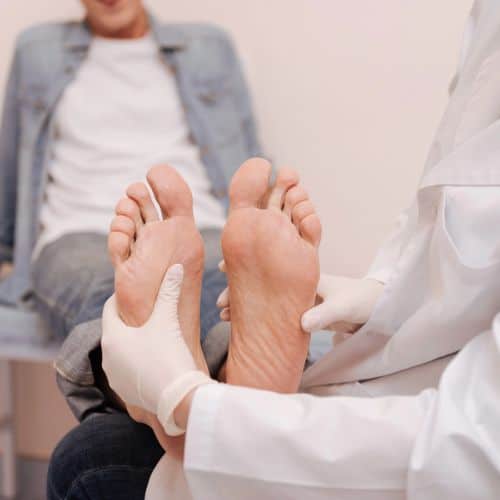
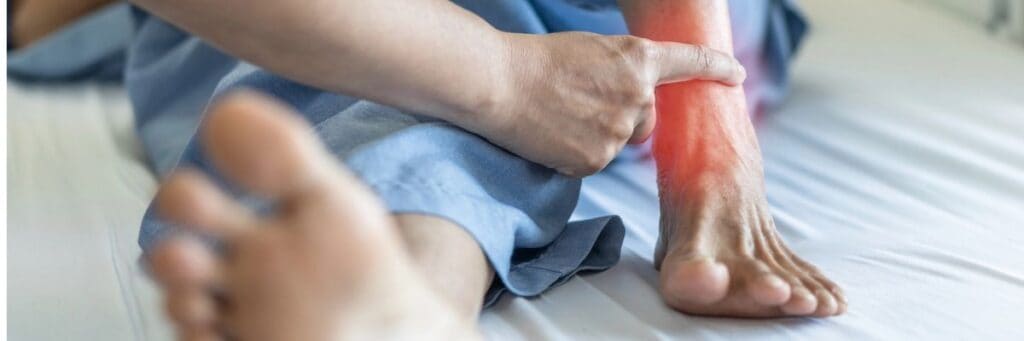
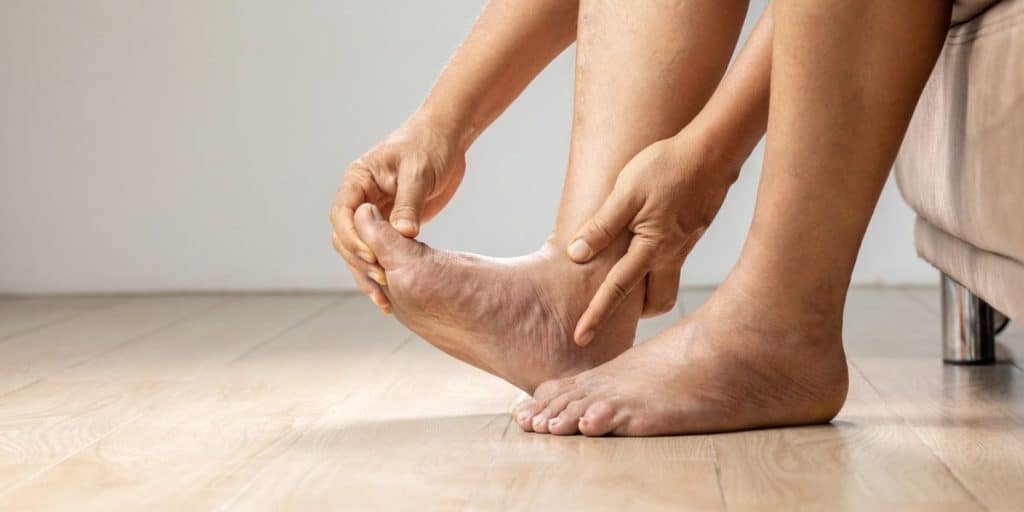
As we age, our feet undergo various changes that can lead to discomfort, pain, and the development of foot conditions, such as bunions (hallux valgus). Bunions form at the metatarsophalangeal joint of the big toe, where the first metatarsal bone gradually shifts outward, forcing the big toe toward the second toe.
The shift leads to a bony bump at the base of the big toe. While bunions can affect people of all ages, they are particularly common among seniors due to a combination of factors related to aging, foot structure, and years of wear and tear.
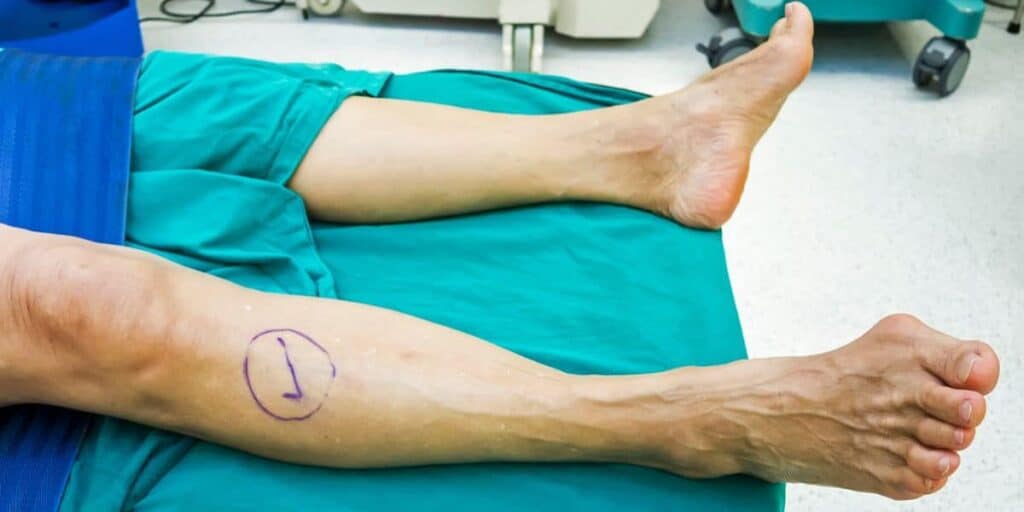
Bunions can be treated conservatively or surgically depending on their severity and your overall health.
In discussing the intricacies of bunion surgeries, Dr. Bob Bavarian emphasizes the importance of bone quality. He acknowledges that while it is a concern, it is not typically a major issue due to the inherently stable nature of most bunion surgeries.
Dr. Bavarian states, “While bone quality is a primary consideration, it’s generally not a major concern because most bunion surgeries are inherently stable. Only in cases of severe osteoporosis do we have heightened concern.”
Why are bunions common in seniors?
Several factors contribute to the increased likelihood of developing bunion deformities. Understanding these causes can help manage foot health and recognize when to consider treatment.
Age-related foot changes
With age, the ligaments, tendons, and other soft tissues in the feet may lose elasticity, leading to changes in foot structure. The natural arches of the feet can flatten, and the weight distribution across the foot may shift. These changes put additional pressure on the big toe joint, causing the bones to misalign and encouraging the formation of bunions.
Wearing improper footwear over the years
Many seniors have spent decades wearing shoes that are too narrow, lack proper support, or have high heels. Tight-fitting shoes can push the toes into an unnatural position, increasing pressure on the big toe joint over time and increasing the chances of developing a foot bunion.
Arthritis and other health conditions
Conditions such as osteoarthritis and rheumatoid arthritis are more common in older adults and can contribute to bunion formation. Arthritis can cause inflammation and degeneration in the joints, leading to changes in foot mechanics that increase the likelihood of developing painful bunions.
Genetics
Foot structure, such as flat feet or low arches, can run in families and contribute to bunion formation over time. Seniors with a family history of bunions are also more likely to develop them.
When is bunion surgery necessary for seniors?
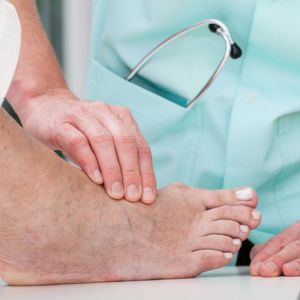
While conservative treatments like wearing proper footwear, using orthopaedic inserts, and taking over-the-counter anti-inflammatory medications can help manage bunion symptoms, surgical bunion treatment may become necessary when:
- Pain persists despite non-surgical treatments.
- The bunion interferes with daily activities like walking or standing.
- The deformity is progressively worsening, making it difficult to find comfortable shoes or leading to additional foot problems such as hammertoes.
- The big toe joint becomes stiff or immobile, making walking hard.
For many seniors, bunion surgery can offer significant foot pain relief and improve quality of life by correcting the foot’s alignment, reducing pain, and restoring mobility.
Types of bunion surgery for seniors
There are several surgical bunion correction techniques. The treatment options below are outpatient surgical procedures, meaning you can go home the same day. The type of surgery recommended will depend on the bunion severity and overall health.
Here are the most common types of bunion surgery:
Osteotomy
An osteotomy is a procedure in which the surgeon cuts the bone of the big toe joint and realigns it to correct the bunion. Small screws or pins may be used to hold the bones in their new positions while they heal. This is one of the most common surgical methods for moderate to severe bunions.
Minimally invasive bunion surgery
For some seniors, minimally invasive bunion surgery may be an option. This technique involves smaller incisions, leading to faster recovery and less postoperative pain. However, this method may not be suitable for all patients, particularly those with severe bunions.
Lapiplasty
Lapiplasty is a specialized technique for bunion correction that involves realigning the metatarsal bone at the root rather than just the joint. This procedure uses a three-dimensional approach to stabilize the joint and prevent bunion recurrence.
While it results in excellent joint stability, it may not be ideal for elderly patients with underlying health issues or decreased bone density, which could complicate the healing process and overall outcomes.
Dr. Bob Bavarian explains the factors influencing the decision of which bunion surgery is best for seniors. “In the elderly, we tend to go for a procedure that maybe has a little bit shorter recovery and easier recovery, such as an osteotomy or a minimally invasive procedure as compared to a lapiplasty.”
Dr. Bob’s unique approach allows them to tailor the surgical technique to the patient. Adjustments are made for a patient’s anatomy and lifestyle, ensuring a pleasing outcome both functionally and cosmetically.
Is recovery after a surgical bunion surgery harder for seniors?
It can take anywhere from six weeks to several months for a full recovery from bunion surgery, depending on the type of surgery performed and the individual’s overall health. Seniors may take longer to heal than younger patients, and a proper recovery plan is essential for the best outcomes.
Post-surgery care
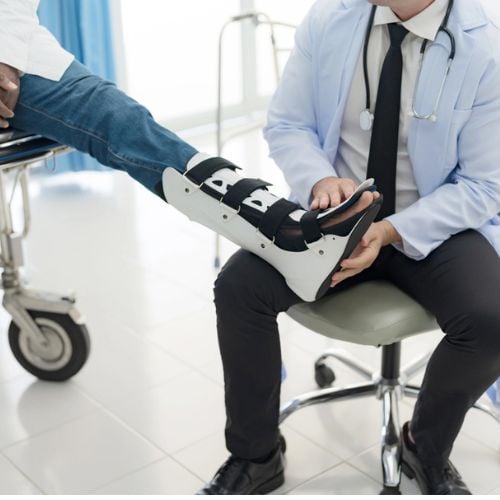
After surgery, you must wear a protective boot or cast to keep the foot stable while it heals. Depending on the type of procedure, crutches or a walker may be necessary to keep weight off the foot while healing from bunion surgery.
Over-the-counter anti-inflammatories like ibuprofen can help manage pain and swelling following the surgical procedure. Physical therapy may also help regain strength and flexibility in the foot.
Dr. Bavarian also notes, “A lot of times, we’ll add supplements that are good for bone healing and good for bone strength prior to the start of a bunion surgery.”
Returning to normal activity levels
Most patients can return to regular activities within 8 to 12 weeks, but it may take longer to resume more strenuous activities. It is important to follow our doctor’s post-operative instructions carefully to avoid complications and ensure proper healing.
For a closer look at what to expect during recovery, see our week-by-week bunion surgery recovery timeline.
Risks of bunion surgery in seniors
While bunion surgery is generally safe, certain risks are involved, especially in older patients. It’s essential to be aware of these risks and discuss them with your podiatrist before deciding whether surgery is right for you.
Dr. Bavarian is well-versed in bunion procedures on patients of all ages; he explains, “We can adjust surgery to make it a little more low risk with shorter and easier recovery for seniors.”
Here are some risks associated with bunion surgery:
- Infection: Seniors may have a slightly higher risk of post-operative infections, particularly if they have underlying health conditions like diabetes or compromised immune systems. Following proper wound care instructions can help reduce this risk.
- Recurrence: Although bunion surgery can correct the deformity, there is a possibility that the bunion may return over time. This risk is higher if improper footwear is worn after surgery or if post-operative instructions aren’t followed.
- Prolonged healing: Seniors often take longer to heal, and complications such as poor wound healing or delayed bone healing may arise. Maintaining a healthy diet, managing underlying health conditions, and following your surgeon’s instructions can help promote faster healing.
Why choose Dr. Bob Baravarian for senior foot care?
If you are experiencing foot problems, Dr. Bob Baravarian is here to help. A nationally recognized foot and ankle specialist, he offers advanced podiatric care with some of the highest success rates in the nation. He is a leader in researching, diagnosing, and treating all foot and ankle conditions.
To schedule a consultation, please call (855) 557-5400 or make an appointment now.
Dr. Bob Baravarian is conveniently located in Los Angeles, near Cedars-Sinai Medical Center, providing expert foot and ankle care for patients throughout Southern California.
Bunion Surgery for Seniors FAQs
Why is bunion surgery not recommended for certain individuals?

Bunion surgery is usually not recommended for certain individuals whose health factors could lead to complications from surgery. This can include individuals with arthritis in their toes, poor foot circulation, existing joint conditions, or other health conditions that could lead to poor wound healing or infection.
What age is best for bunion surgery?
There is no definitive “best age” for bunion surgery in seniors, as the most important factor is the individual’s overall health and ability to tolerate the surgery and recovery process. Dr. Bavarian notes that age typically doesn’t become a factor until a patient is around 80.
How hard is post-bunion surgery recovery for seniors?
Bunion surgery recovery can be challenging for seniors, and they may need extra care, and a longer recovery period compared to younger patients due to slower healing and reduced mobility. However, following proper postoperative care can help ensure a successful recovery.
Are there shoes for bunions?
Shoes with a wide toe box, room for orthopedic inserts, and a supportive sole without a heel are often best for bunions. Shoes alone won’t correct a bunion, although they can make it more tolerable.
Sources
Overview: Bunions
https://www.ncbi.nlm.nih.gov/books/NBK513134/
Age
https://madeforthismoment.asahq.org/preparing-for-surgery/risks/age/
Bunion Surgery
https://orthoinfo.aaos.org/en/treatment/bunion-surgery/