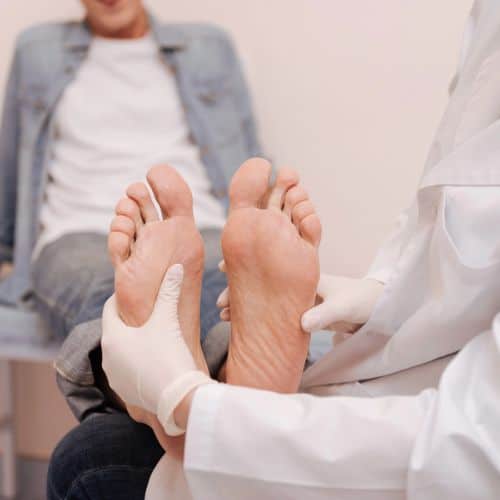
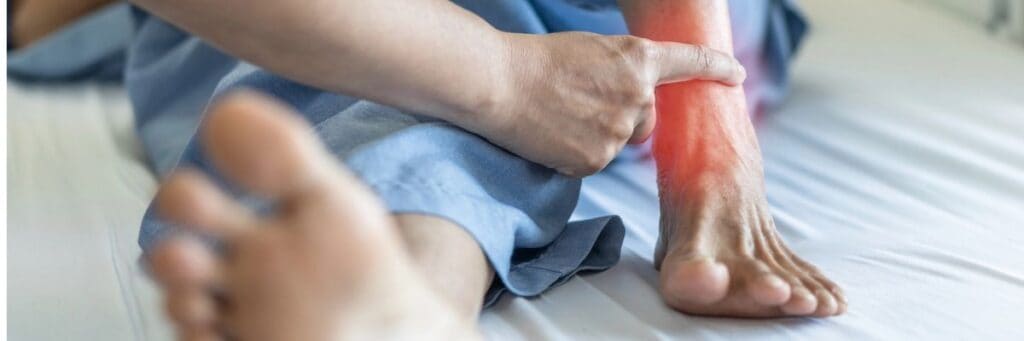
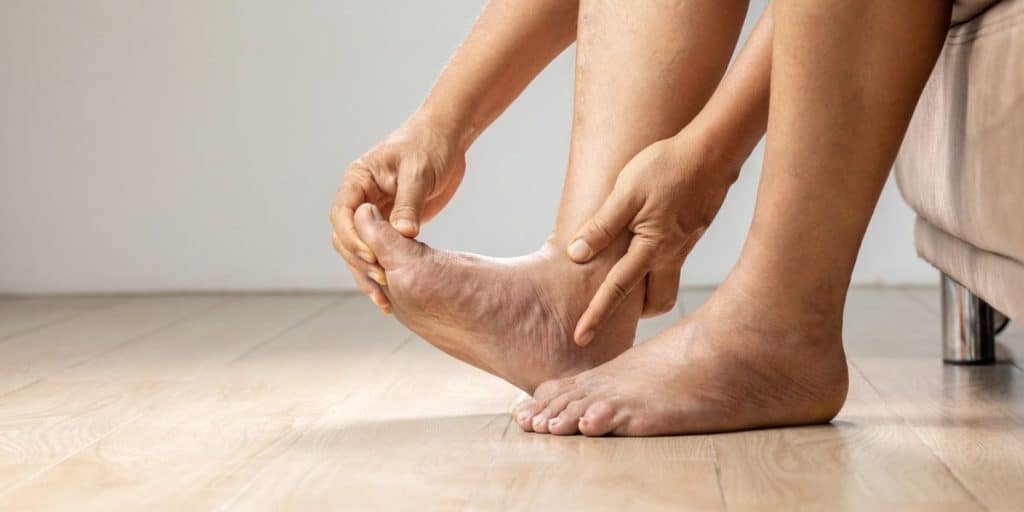
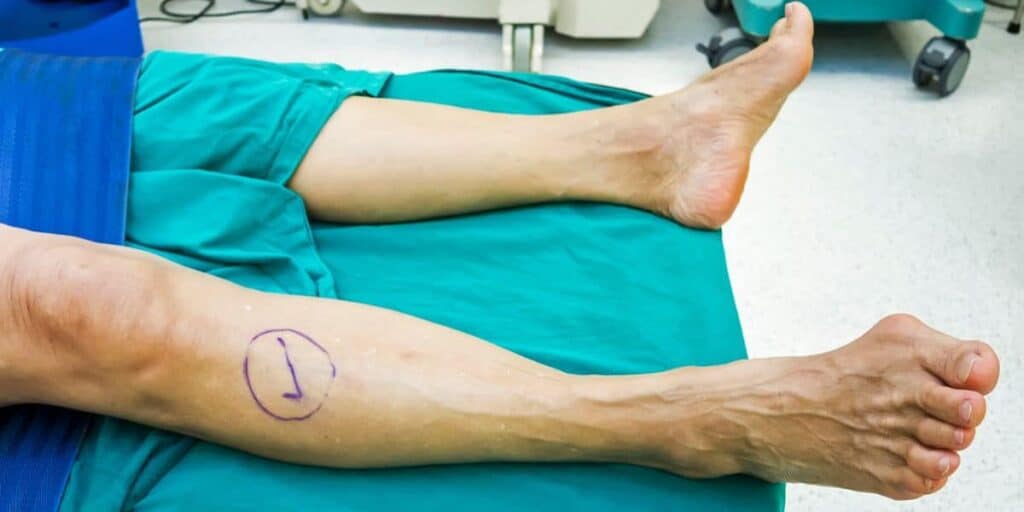
Plantar fasciitis, characterized by a burning, achy, or stiff feeling in the bottom of the foot, is one of the most common causes of heel pain, affecting millions of people worldwide. This painful condition occurs when the plantar fascia, a thick band of tissue connecting the heel to the toes, becomes inflamed due to overuse, injury, or strain.
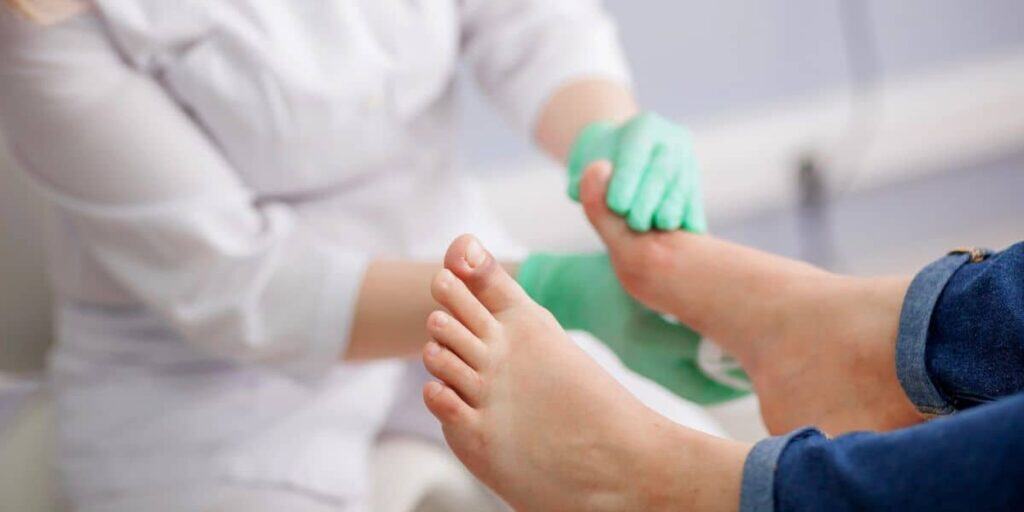
It is known for causing sharp pain in the heels and along the bottom of your foot, especially when the muscle is “cool” – with your first steps of the day or after long periods of standing or sitting. This is often accompanied by stiffness, tenderness, and even swelling in the heel area.
Usually, the first bout of pain is strong enough to alter our gait, making patients “tiptoe” around the tender area. As a result, people with plantar fasciitis have a higher risk of developing other foot issues, such as shin splints, tenderness in the Achilles tendon, or heel spurs.
The good news? Plantar fasciitis is highly treatable – and in the overwhelming majority of cases, patients can find relief without ever setting foot in an OR. Nowadays, we have a wide array of conservative treatments and advanced, high-tech, non-invasive procedures.
At Dr. Bob’s practice, one of our greatest achievements is helping patients recover without surgery. We use the latest treatments for plantar fasciitis and have even contributed to developing new ones. Today, up to 90% of our patients achieve long-term pain relief without the need for surgery.
What are the first-line treatment options for plantar fasciitis?
Most of us will wake up with pain in our heels at some point in our lives. If this pain is intense enough to keep us from moving or if it becomes frequent, then it’s time to tackle it. To do this, we generally follow a simple principle: We begin with the least invasive, cheapest methods, and if they fail, we “graduate” to the next available alternative.
Most will find the perfect combination of effectiveness and sustainability before discussing surgical options.
At-home treatments
In this category, we see many “common sense” solutions that most people attempt unprompted. Most of the people who come to Dr. Bob for the first time for plantar fasciitis have already tried a combination of them:
- RICE, or the “rest, ice, compression and elevation” combo, can relieve most muscle aches.
- Over-the-counter pain meds, especially non-steroidal anti-inflammatory drugs (NSAIDs), such as ibuprofen (Advil) or naproxen (Aleve).
- Muscle stretching exercises, especially those focused on stretching the Achilles tendon, the calf muscles, and the ligaments around the heel bone.
Physical therapy
Physiotherapy can help you bridge the gap between sporadic stretching and a systematic approach to pain relief. A physical therapist can help you identify the most efficient stretches for your everyday routine and follow physical activity. They can also help you combine the right types of orthotics and find supportive shoes to prevent the pain from progressing and related foot issues.
Orthotics
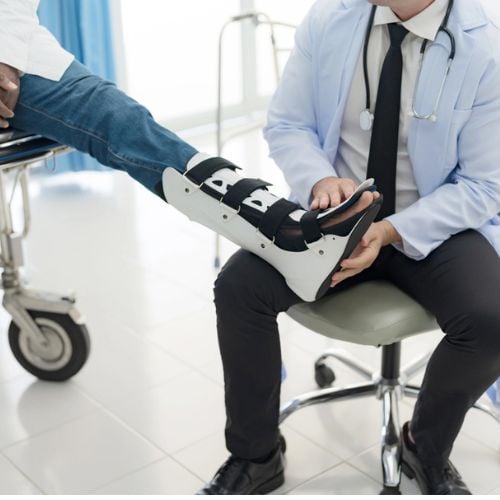
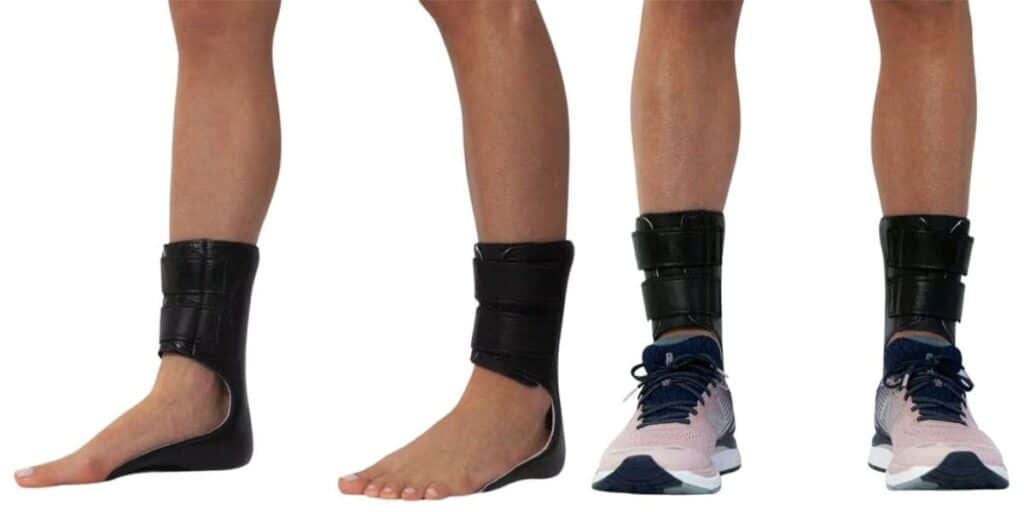
Many people use the term “orthotics” to refer to any foot accessory meant to relieve orthopedic problems. This can include store-bought shoe inserts for extra cushioning, gel heel cups that provide arch support, tape, night splints, or braces.
Proper orthotics are generally custom-made and require professional input. At Dr. Bob, we generally prescribe custom orthotics after a thorough examination. We want to tackle any other underlying orthopedic issues that may be worsening your plantar fasciitis (for example, flat feet or gait issues) and prevent any other progressive issues that could stem from it.
Most people try these methods on their own, but they rarely do so with any regularity or structure. We often see many people who’ve tried stretching and following generic online tutorials. Still, they’ve never worked with a physical therapist, tried an orthotic, or invested in orthotics without stretching. Once we get them on a routine, 70% of them get better without the need to break the skin.
What are your options if you need to take it up a notch?
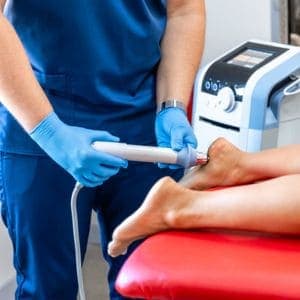
If your chronic plantar fasciitis is not abating, or if the pain becomes too intense at times, then it’s time to try something a bit more aggressive. But we’re still a long way from having to cut your foot open!
Corticosteroid injections
This method, known as “steroid shots,” allows us to deliver a stronger anti-inflammatory medication directly to the affected soft tissue.
Sometimes, we combine a long-acting steroid shot with a short-term anesthetic, such as lidocaine. This provides immediate foot pain relief while the steroid progressively fights the inflammation in your fascia over the next two to three days.
The shots only take a few minutes, and you can go home or back to work immediately after.
Although very effective, steroids can also have some uncomfortable side effects: they occasionally cause bruising or leave the skin around the injection site reddened or paler. They also raise your blood sugar, so they’re not recommended for people with diabetes.
Platelet-rich plasma (PRP)
Platelets are one of the natural components of blood. Their main job is to kickstart the healing process after you’ve been injured, helping your blood clot and stimulating tissue regeneration.
First, we draw a small amount of blood from your vein and centrifuge it to separate its components for PRP shots. We keep the plasma (liquid) and platelets alone, and we end up with a small amount of liquid with several times as many platelets as regular blood. Finally, we inject this PRP directly into the plantar fascia.
Extracorporeal Shockwave therapy (ESWT)
One of the newest options in the market, extracorporeal shockwave therapy (ESWT), uses targeted sound waves to stimulate the soft tissue around an injury. This increases blood flow to the area and stimulates the body’s natural healing ability.
ESWT is usually given in-office, in three sessions of 15 minutes each. This makes it a bit more expensive than applying a single injection, but it also tends to yield longer-lasting results.
TenJet and Topaz technology
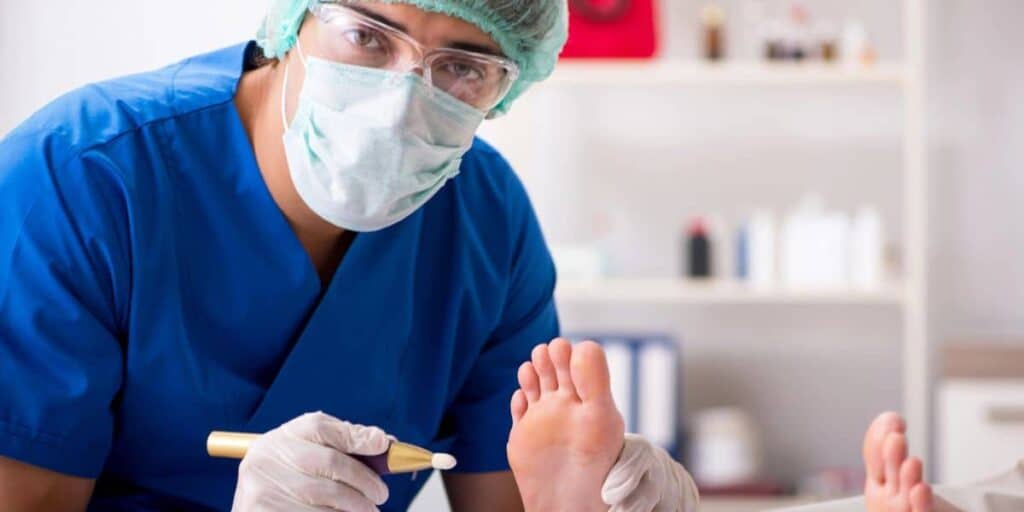
Although they still avoid small foot incisions, TenJet and Topaz are usually the “final stop” before a fasciotomy (surgical cutting of the fascia). We generally reserve these treatments for people who have endured foot pain for over six months and haven’t responded to any of the treatments we mentioned.
The TenJet procedure uses tiny, high-pressure streams of water to break up the tissue around the fascia, pushing the body to repair from within. Meanwhile, Topaz technology uses a needle-like wand and high-frequency energy for a similar effect. Although quick to administer, these modalities are slower to act–they require between three weeks to three months to yield their full effects but minimal bed rest or time off your feet.
If you have stubborn pain, we can combine these advanced procedures. The largest review studies now show that a combination approach works better than a single treatment (for example, steroid shots alone). This can be the edge you need to avoid the OR.
Looking for non-surgical treatment of plantar fasciitis in Southern California? Dr. Bob’s got your back (and feet)!
Under the leadership of Dr. Baravarian, his clinic has helped hundreds of patients with plantar fasciitis achieve long-term relief in the vast majority of cases without invasive surgery.
His approach, which prevents infections, complications, and prolonged bed rest, is a testament to Dr. Bob’s holistic philosophy of care. Instead of quick fixes, his team prefers to take time with each patient and explore evidence-based, non-invasive options to the fullest extent.
For more information or to schedule a consultation, please call (855) 557-5400 or make an appointment online now.
Dr. Bob Baravarian is conveniently located in Los Angeles, near Cedars-Sinai Medical Center, providing expert foot and ankle care for patients throughout Southern California.