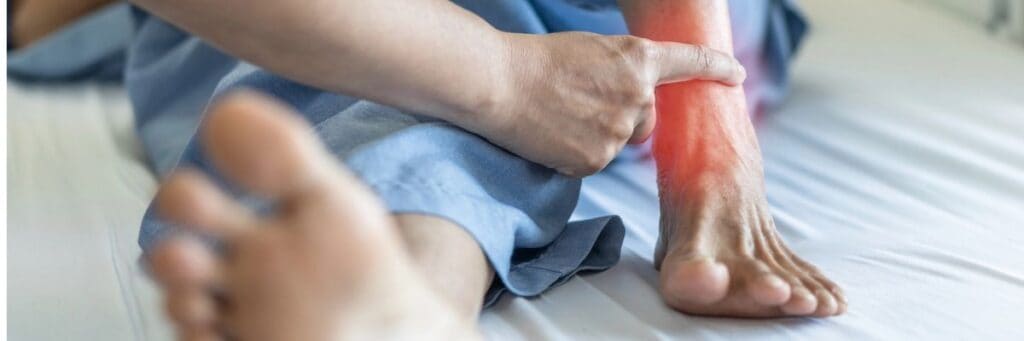
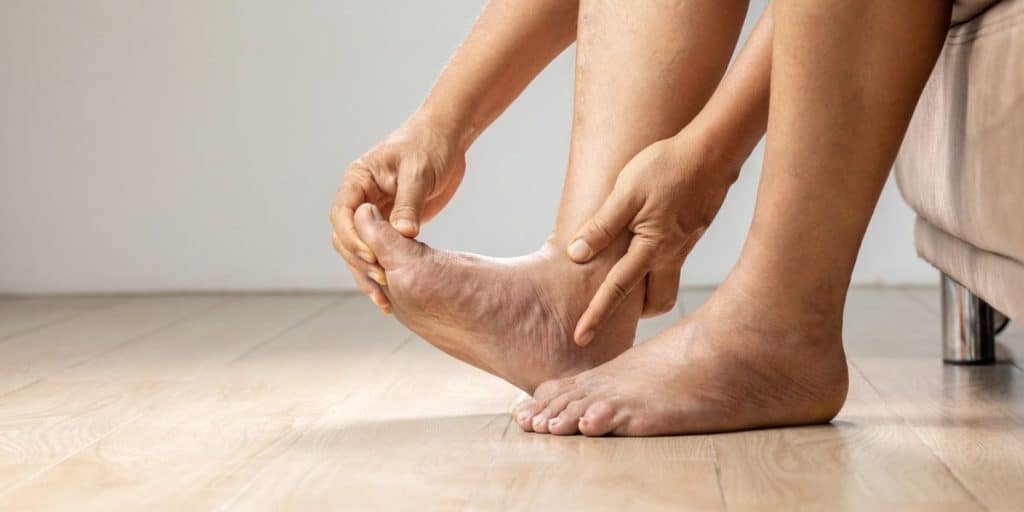
The pain of shin splints reveals a tale as intricate as the lower leg’s anatomy. Medically known as “medial tibial stress syndrome,” shin splints are a common sports injury that hinders the performance of countless athletes, military hopefuls, and even regular folk embarking on a fitness journey – to the point where shin splints may be involved in nearly 50% of all lower leg injuries.
But to fix this agony, we first need to delve deeper into all the possible factors that may have caused injury to your shin bone. By discovering the cause behind this ailment, our podiatrists can help you design a plan to restore your lower leg’s post-workout resilience.
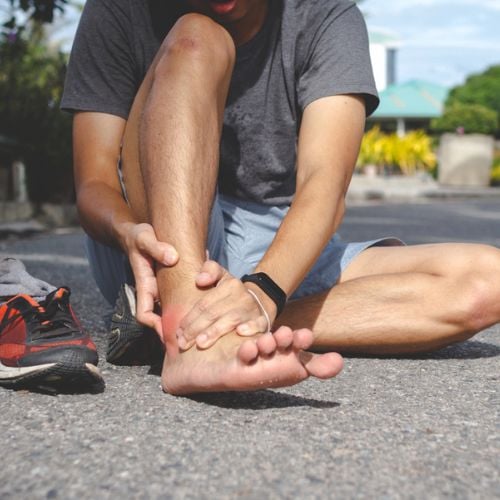
When we talk about shin splints, we refer to any pain or tenderness along the tibia (the larger of the two bones in your lower leg). The most common symptom of shin splints is lower leg pain. When moving, the splint pain may feel like burning or abrupt cramping.
When we require more precision, shin splints can be categorized as anterior when they impact the outer side of the leg, medial when experienced on the inner side, or posterior when the pain primarily occurs at the back of the shin.

What causes shin splints?
In most cases, shin splints are classified as a type of overuse injury: that is, they come about due to repetitive motion. Like stress fractures or plantar fasciitis, shin splints stem from grueling or intensive exercise routines, especially if they involve repeated “beating” against hard surfaces. They commonly appear among professional dancers, military recruits, and marathon runners.
Shin splints are technically distinct from other overuse injuries, but their shared risk factors make them close relatives. The pain of shin splints often appears before a fracture. While shin splints may not cause fractures, ignoring them can lead to stress fractures, which can exacerbate the symptoms of shin splints.
Finally, other orthopedic conditions can contribute to shin splints:
Flat feet and shin splits
Also known as pes planus, flat feet happen when the arch beneath the foot is not pronounced enough, to the point where it “disappears” when a person is walking.
The arch is intended to act as a natural “shock absorber.” Without it, feet and calves are more exposed to muscle and joint strain. As a result, any time you increase the frequency or intensity of your workouts, you’ll be at risk of shin splints.
High arches and shin splints
Conversely, feet with excessively high arches (cavus feet) often result in complications similar to those caused by flat feet.
This foot disorder transfers almost all shock to the bone tissue in your toes and heels. Many people with cavus feet will subconsciously tilt their feet outward (underpronate) to guard themselves, creating soreness along the inner side of the shin.
Pronation and shin splints
Foot arch problems are tightly linked to pronation—how the foot strikes against the ground when we walk or run. Overpronation (when the foot rolls inward) and underpronation (when it rolls outward) can both result from “adapting” to arch problems, and they can also predispose you to additional foot disorders.
In particular, overpronation can cause your flexor muscles (which connect the tibia to the back of the knee) to overextend. The extra inflammation of the muscles will cause pain around your tibia.
Vitamin D deficiency and shin splints
Finally, how you nourish your bones will also affect your chances of developing shin splits. One essential nutrient is crucial here: vitamin D.
Low vitamin D levels have long been linked to bone problems, such as osteomalacia (soft bone disease) and early osteoporosis. Recent studies have also shown that people with vitamin D deficiency are more likely to experience frequent and chronic shin splints.
Vitamin D helps your body use calcium, affixing it to the bones. Without sufficient vitamin D, your body’s bones won’t be able to repair themselves after a workout, eventually resulting in shin splints and even microfractures.
Shin splints in sports medicine: Pushing your boundaries safely
Shin splints result from overuse of your shins. The key to long-term relief is balancing safety precautions during physical activity with an athlete’s natural drive to excel.
Some key adjustments that can help prevent leg pain include:
- Cross-training: alternate low-impact workouts with regular workouts like swimming or biking. These will strengthen the muscles without adding extra stress to the shin bones.
- Invest in good running shoes: shoes with extra arch support or shock-absorbing insoles can help minimize damage from intense training.
- A thorough warm-up before every session: slowly loosening the muscles and tendons around the shin will increase blood flow in the area and prevent injuries.
Shin splint treatments: How can our podiatrist help?
If pain happens anyway, combining over-the-counter anti-inflammatory drugs like ibuprofen or naproxen and the RICE method (rest, ice packs, compression, and elevation) can help keep it manageable.
Should shin splints become frequent or interfere with your daily activities, it’s best to be proactive.
Here, our podiatrist’s full assessment can make all the difference. A physical exam, a review of your medical history, and a gait assessment, alongside X-rays or other imaging studies, can help diagnose the extent of the problem and detect any other foot and ankle conditions that may be feeding it. This will help identify more precise methods to prevent and treat discomfort in your leg muscles.
Treatments may include:
- The right type of supportive shoes in the event of any arch conditions
- Custom shoe inserts or orthotics for your rest days
- Customized muscle-strengthening or stretching exercises
- A course of physical therapy to address any ongoing skeletal, muscular, or gait issues
Why trust your feet to Dr. Bob?
Dr. Bob Baravarian has extensive experience treating all types of foot problems, from metatarsalgia to fractures and ulcers. He also has expertise in advanced diagnostics, including bone scans, custom braces, and minimally invasive foot and ankle surgery.
For a consultation, please call (855) 557-5400 or make an appointment online now.
Dr. Bob Baravarian is conveniently located in Los Angeles, near Cedars-Sinai Medical Center, providing expert foot and ankle care for patients throughout Southern California.