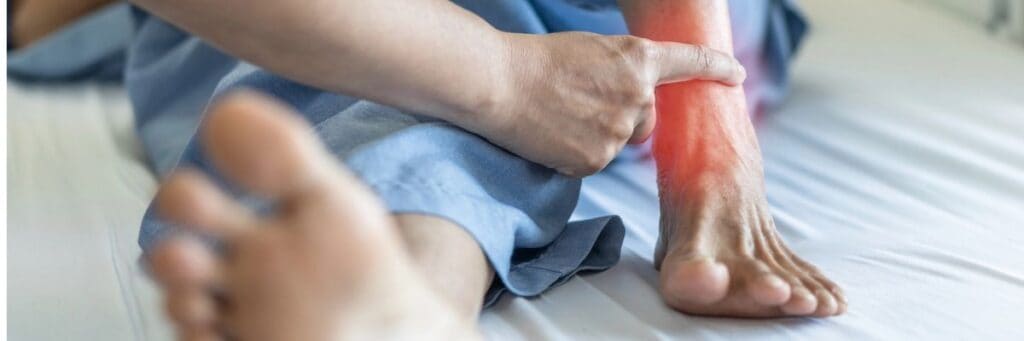
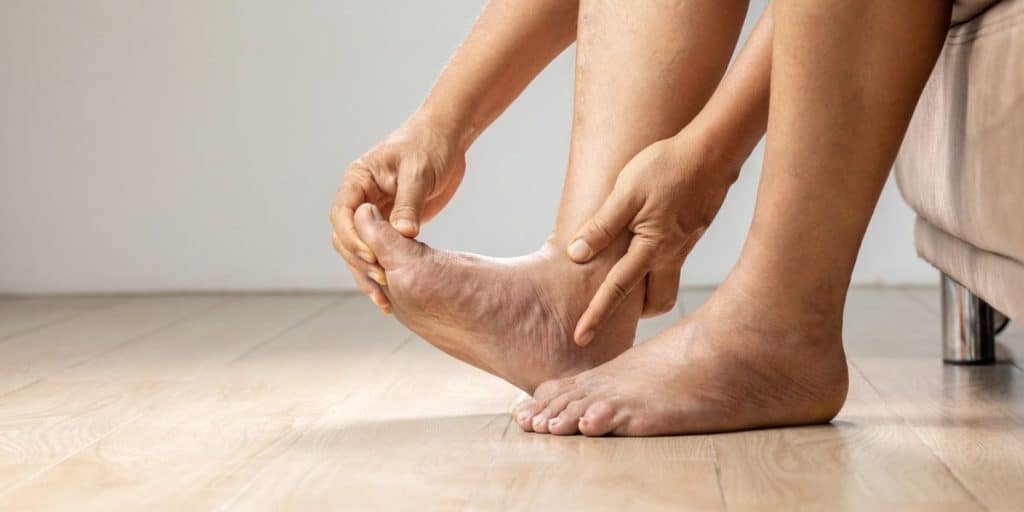
Our bodies undergo numerous changes as we age, and our feet are no exception. If you think about how much wear and tear your feet face daily, it’s easy to see why age-related foot problems can occur. Unfortunately, changes to your joints, ligaments, and tendons can adversely affect your mobility and overall well-being. Here’s a closer look at the foot problems that tend to develop with age, as well as ways to prevent and manage them effectively.
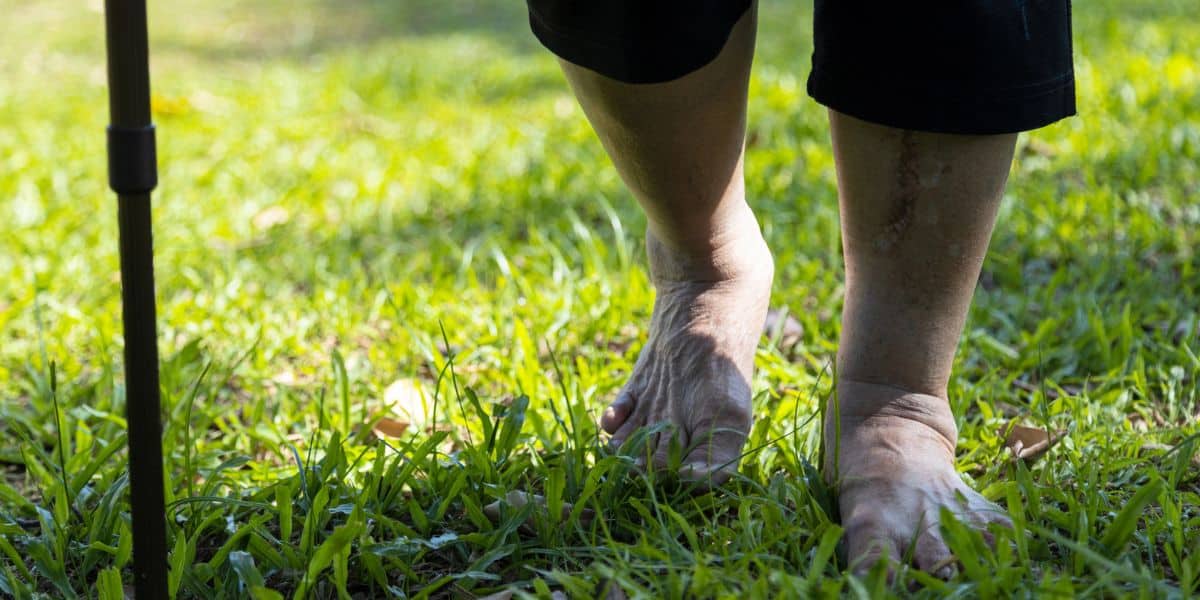
Why do foot problems in older people happen?
As you age, normal bodily processes slow down. Cell turnover, in which old, dead cells are replaced with new ones, doesn’t happen as quickly. Collagen production also slows, making tissues less flexible and resilient. In fact, aging is cited as the biggest risk factor for tendon issues, such as weakening of the Achilles tendon and calf muscle, which can impair mobility. Fatty tissues become depleted, too, which can cause protective areas on the feet, like the fat pad at the ball of the foot, to atrophy.
Inside your joints, the fluid responsible for lubrication can decrease, making them feel stiffer. Osteoporosis, in which new bone production can’t match bone loss, is especially felt in the feet due to all the pressure they experience while standing and walking. All of these aging foot changes can lead to foot issues.
Understanding aging foot problems
Here are a few of the most common foot problems associated with aging.
Bunions, hammertoes, corns, and calluses
Though they can happen at any age, bunions tend or worsen with age. Ligaments loosen as you get older, which leads to foot spreading that can exacerbate these bony protrusions at the base of the big toe. Older individuals who have worn narrow footwear, like high heels, for years may also experience bunions. Corns and calluses can be attributed to bunions and, therefore, may become more pronounced as you age. Bunions cause your big toe to lean toward your little toe, shifting the other toes out of their natural alignment, which can cause them to rub. The rubbing results in a build-up of skin and tissue, known as a corn or callus.
The shifting of your toes due to a bunion can also lead to hammertoe. Hammertoes occur when the middle toe joints become permanently bent, affecting the second toe of the foot. In most cases, narrow footwear and heels encourage you to shift weight toward your toes; they are then forced further into the toe box of your shoes, where they are crunched. Years of this type of wear and tear can result in hammer toes. But in general, aging feet are more susceptible to these painful foot conditions, making walking uncomfortable.
Arthritis
When it comes to foot issues with age, arthritis is another chief concern. The condition can affect the joints in your feet, causing pain, stiffness, and reduced mobility. The gradual wear and tear of cartilage in the joints is a primary culprit behind osteoarthritis.
However, certain conditions can increase your risk of developing arthritis. These include bunions, previous injuries to your foot or ankle, hammertoe, or obesity. Arthritic conditions may also lead to bone spurs, in which a bone develops an extra, hard knob of bone on the end that results in pain and reduced range of motion.
Plantar fasciitis, flat feet, and Morton’s neuroma
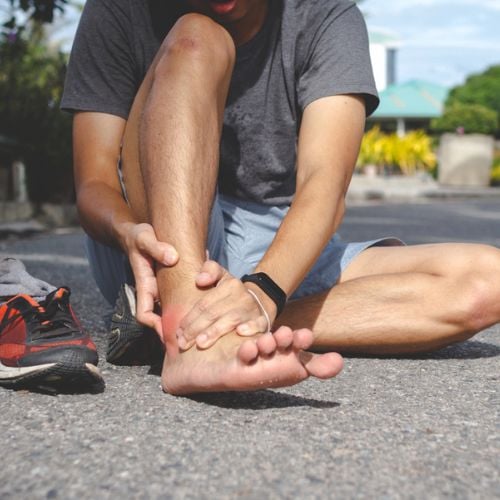
Plantar fasciitis, an inflammation of the thick band of tissue that runs along the bottom of your foot, can cause heel pain and discomfort, especially during your first few morning steps. Similarly, as you age, connective tissues in your feet don’t lengthen and snap back as efficiently as they used to, resulting in flat feet that may trigger arch pain, gait changes, and swelling in your feet and ankles.
Alternatively, Morton’s neuroma causes pain around the ball of the foot. In this condition, the tissue around a nerve in your foot thickens, leading to pain and burning in the ball of the foot. Individuals with flat feet, those who wear ill-fitting shoes, or who put a lot of pressure on their feet through repetitive activities may be predisposed to Morton’s neuroma.
Foot swelling and diabetic problems
Swelling, also called edema, is usually one of the most common elderly foot problems. Because circulation becomes poorer as you age, fluids can pool in your lower legs, ankles, and feet. Geriatric individuals are most susceptible, and risk factors can include kidney disease, cirrhosis, congestive heart failure, and poor diet.
Diabetes can also cause swollen feet, which can make walking difficult, worsen poor circulation, and cause skin irritation and itching. If not managed, a foot ulcer can occur. Diabetic feet are also at risk of nerve damage in the form of tingling and burning on the soles of the feet, leading to a total loss of sensation, known as peripheral neuropathy.
Skin and toenail conditions
Beyond joints, ligaments, and tendons, your skin and toenails can also become susceptible to infections and health conditions. Dry skin can worsen due to declining collagen production, and lack of proper care may turn dry skin into cracked heels and callused pads that are painful to stand and walk on.
Toenails become thicker with age, too, often leading to thicker, cracked nails with ridges and layers. Certain health conditions, like peripheral artery disease (PAD) and hypothyroidism, may exacerbate nail concerns. Reduced flexibility in older populations can make trimming toenails difficult, increasing the risk of ingrown toenail infections. If left untreated, infections can negatively affect overall health.
If you’re struggling to inspect or care for your toenails and feet, you may need assistance from a caregiver or regular medical pedicures.
Preventing and treating foot problems in old age
While you may not be able to prevent some aging foot problems — such as natural fat pad atrophy, complications from a lifetime of wear-and-tear, or damage from years of improper footwear — there are a few ways you can keep conditions from worsening. Simple prevention and treatment steps now can help improve the future of your foot health.
Regular exercise and physical therapy
Regular physical activity, such as walking, swimming, or gentle foot stretches, can help promote overall circulation and maintain flexibility and strength. A more focused approach to movement through physical therapy can be beneficial for addressing mobility issues and improving foot strength and flexibility. Keeping your muscles strong can prevent injuries such as falls and stress fractures.
Older adults with arthritis may find therapy particularly effective, reducing pain and increasing range of motion.
Proper footwear and orthotic inserts
Improper footwear is a significant contributor to many foot problems. Investing in well-fitting and supportive shoes is crucial. Avoid high heels and narrow-toed shoes that can exacerbate problems like bunions and hammertoes. Opt for footwear with arch support and cushioning to reduce pressure on your feet. You may also consider custom-made or over-the-counter orthotic inserts can provide additional support and cushioning for your feet, reducing pain and discomfort. Cushioning inserts, toe pads, and arch supports are beneficial for a variety of issues.
Routine foot care
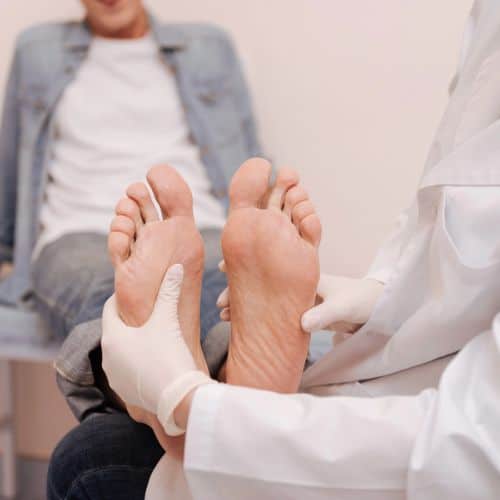
To avoid leaving foot concerns untreated for too long, regularly inspect your feet for any signs of changes, such as calluses, corns, blisters, or skin discoloration. Trim your toenails straight across to prevent ingrown toenails and moisturize your feet daily to prevent dry, cracked skin.
If you’re experiencing mild to moderate pain from foot concerns, over-the-counter pain relievers can help manage the discomfort. Following your healthcare provider’s recommendations is essential, as is reaching out if pain worsens or becomes severe.
Visit your doctor and manage chronic conditions
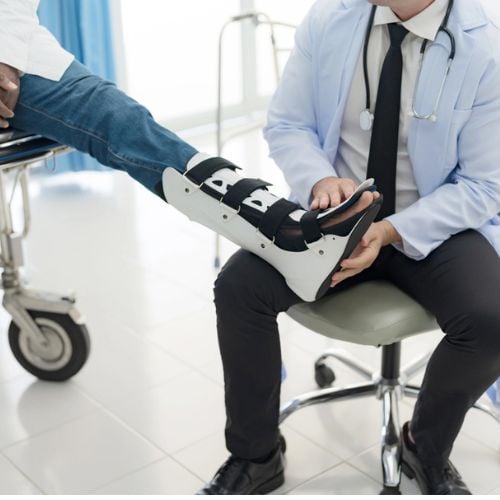
Consult a podiatrist if you notice persistent foot pain or any concerning symptoms. Early diagnosis and treatment can prevent many foot problems from worsening. Surgery may sometimes be necessary to correct severe foot problems like bunions or hammertoes. Consulting with a podiatry specialist to discuss surgical options if needed can help you achieve easier, less painful movement. Your team may also be able to recommend mobility devices if daily activities become a challenge despite painkillers and orthotics. Assistive devices like canes, walkers, or orthopedic shoes designed for better stability may help.
If you have chronic conditions like diabetes or arthritis, working closely with your healthcare team to manage them effectively can help prevent foot complications associated with them. Also, maintaining a healthy weight can alleviate the added stress on feet that can worsen other foot problems.
Why choose Dr. Bob Baravarian for family foot care?
If you or a family member are experiencing foot problems as you get older, Dr. Bob Baravarian is here to help. As a nationally recognized foot and ankle specialist, he provides advanced podiatric care with some of the highest success rates in the nation. He is a leader in researching, diagnosing, and treating all foot and ankle conditions throughout a patient’s life.
For more information or to schedule a consultation in the greater Los Angeles area, please call (855) 557-5400 or make an appointment online now.
Dr. Bob Baravarian is conveniently located in Los Angeles, near Cedars-Sinai Medical Center, providing expert foot and ankle care for patients throughout Southern California.