For centuries, people have been wearing shoes for comfort and protection – and quite often they’ve not been so comfortable. High heels, we’re talking about you!
Women have willingly traded pain for glamour by choosing to wear high heels. The glamour: You become taller, and your legs look longer and more graceful. The pain: You are 10 times more likely than a man to develop bunions.
The technical term for a bunion is “hallux valgus”
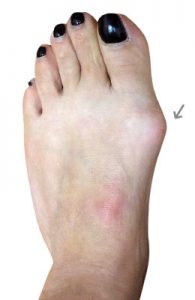
It’s a bony protuberance on the side of the foot at the base of the big toe. Sometimes the big toe moves sideways and pushes against the next toe, causing hammertoes. When a bump forms at the base of the little toe, it’s called a Tailor’s bunion. Bunions are often hereditary; if your parents had them, you’re more likely to get them too. Thanks, Mom!
Bunions can also be related to low arches, flat feet, arthritis, or inflammatory joint diseases.
About a third of all American women suffer from bunions, and it can be a struggle (and a real pain) to find well-fitting shoes. When you have a bunion deformity, it becomes difficult to wear shoes that cause friction against the prominent bump on the side of your foot. Ideally, you want to look for a firm sole for support with ample room in the toe box.
What to look for in a “good bunion shoe?”
Shoes that qualify as appropriate for bunions share a few important features. They have a wider-than-normal width to allow the foot to stretch out. They feature a soft and wide toe box to wrap around the bunion without causing irritation and inflammation. Finally, they have a contoured sole and a supportive arch to provide stability.
Here is a closer look at the five features that matter most – and what to actually look for in each one:
Toe box width. This is the single most important factor for bunion sufferers. A toe box that is too narrow compresses the big toe joint and accelerates deformity over time. Look for shoes labeled “wide” (D for women, 2E for men) or “extra wide” (2E for women, 4E for men). In practical terms, you should be able to wiggle all five toes freely without the sides of the shoe pressing against the bunion bump at all.
Toe box height. Width alone is not enough – the vertical space above your toes matters just as much. A low-profile toe box pushes down on the top of the foot and can aggravate any swelling around the joint. Look for a toe box that is visibly rounded or “domed” rather than flat across the top. Many buyers overlook this detail, but it is one of the first things Dr. Bob evaluates when a patient asks about footwear.
Upper material softness. The material that wraps around your foot should give rather than push back. Soft leather, knit mesh, and stretch fabric are the best choices because they conform to your foot’s shape rather than forcing it into a fixed form. Stiff synthetic uppers, patent leather, and rigid canvas are the worst offenders – they create a hard wall directly against the bunion and cause the friction and inflammation that makes pain flare up.
Heel drop and sole support. Heel drop is the height difference between the heel and the forefoot. A lower heel drop – ideally under 8mm – keeps your weight distributed more evenly across the foot and reduces the pressure load on the big toe joint. A contoured, supportive midsole also helps prevent the foot from rolling inward (overpronation), a common driver of bunion progression.
Sizing and fit tips. Always size shoes in the afternoon or evening, when your feet are at their largest after a day of activity. If one foot is larger than the other – which is very common – fit to the larger foot. Leave at least a thumb’s width of space between your longest toe and the end of the shoe, and make sure the widest part of the shoe aligns with the widest part of your foot, not just the length.
Best shoes for bunions by category: running, walking, and everyday wear
Now that you know what features to look for, let’s break things down by how you actually use your shoes. The best shoes for bunions aren’t one-size-fits-all – a great running shoe and a great everyday sneaker serve very different purposes, even if they share the same wide toe box.
Running shoes for bunions: When you’re logging miles, your foot swells and spreads with every stride. You need a shoe with a roomy toe box that doesn’t compress the bunion joint under repetitive impact. Look for a wide or extra-wide fit, a flexible upper made from engineered mesh, and enough cushioning underfoot to absorb shock before it travels up through the forefoot. New Balance is a standout here – their models come in widths up to 4E, which is genuinely rare and genuinely helpful.
Walking shoes for bunions: Walking shoes take a beating during long days on your feet. Prioritize a soft, seamless upper that won’t rub against the bunion bump, a supportive midsole that keeps your arch from collapsing (which can worsen bunion progression over time), and a rounded toe box that gives your big toe room to sit naturally. This is where brands with dedicated wide-width lines really shine.
Everyday and casual shoes for bunions: For daily wear, comfort and style need to coexist. Slip-ons, sneakers, and casual flats with a wide forefoot and soft leather or knit uppers are your best friends. If you’re also dealing with big toe joint stiffness alongside your bunion, a slightly rockered sole can make walking feel significantly smoother throughout the day.
The right category match makes a real difference – and so does catching bunion progression early before shoe modifications alone aren’t enough.
Here are a few of my (and my patients’) favorite shoes for bunion sufferers
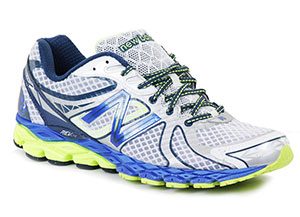
One of my most recommended shoes for all-day comfort is made by New Balance. Their models 870, 990, 1050, and 1080 are terrific. You can choose 4 widths for women’s shoes and 5 widths for men’s, which is tremendously helpful.
When I recommend shoes to my bunion patients, I’m looking at three things above everything else: toebox width (does it give the big toe joint room to breathe?), toebox height (is there enough vertical clearance so the top of the bunion isn’t being pressed down?), and upper softness (is the material going to rub and inflame the joint with every step?). Most shoes fail on at least one of these. The picks below pass all three – organized by how and when you’ll wear them.
Best for Everyday Walking: New Balance 870, 990, 1050 & 1080
This is my go-to category for patients who are on their feet all day – teachers, nurses, parents chasing toddlers. New Balance earns its spot here because of the genuine width options: four widths for women, five for men. That matters clinically. A shoe that comes in one width forces the forefoot into a fixed box regardless of your anatomy. With New Balance, we can actually match the shoe to the foot rather than the other way around. The 870 and 990 offer a firmer, motion-control feel that’s great if you also pronate. The 1050 and 1080 lean toward plush cushioning – better if your main complaint is forefoot pressure and fatigue. The knit and mesh uppers on the 1080, in particular, are soft enough to drape around the bunion rather than press against it.
What to watch for: Even within New Balance, make sure you’re ordering the wide or extra-wide version – the standard width can still crowd the forefoot on a significant bunion.
Best Sandals: Birkenstock & Fitflop
Another shoe type to consider with bunions is sandals, but you need ones that provide excellent foot support and cover the protuberance with soft leather or stretchy fabric. Remember, you don’t want stiff materials and seams rubbing against the bunion.
I like Birkenstocks (which look a lot nicer these days than they used to) and Fitflops. Both offer closed-toe shoes, strappy sandals, and sneakers with ample forefoot room to accommodate the bunion without constant irritation. FitFlop has two styles worth a look: the Uberknit ballet flat and high-top sneaker. Both have supportive soles and breathable stretch uppers.
Why these work clinically: Birkenstocks have a contoured cork footbed that distributes weight evenly across the entire plantar surface, taking pressure off the first metatarsal head – exactly where bunion pain originates. Fitflop’s biomechanically engineered midsole does something similar with a multi-density foam layer. For strappy sandal styles, look for adjustable straps that sit away from the bunion bump rather than crossing directly over it.
What to watch for: Avoid flat, unsupported sandals like flip-flops. Without arch support, your foot splays outward with every step, which increases the load on the big toe joint and can accelerate bunion progression over time.
Best for Occasions & Dress Wear: Julie Lopez, Calla & Sole Bliss
This is the category my patients ask about most – and the one the mainstream shoe industry has historically ignored. The good news is that a handful of brands now design specifically for bunion sufferers without sacrificing style.
Julie Lopez builds shoes with a wider, rounded toe box and soft leather uppers that stretch gently around the bunion rather than compressing it. Calla Shoes was founded by a woman who couldn’t find stylish footwear after her own bunion surgery; their entire range features a patented wider toe box and podiatrist-approved construction. Sole Bliss takes a similar approach, offering heeled styles with a hidden stretch panel on the inner forefoot that accommodates the bunion bump without distorting the shoe’s silhouette.
What to watch for: Even in these bunion-friendly brands, heel height matters. I generally advise patients to keep heels at or below one inch if they’re wearing them regularly. Higher heels shift your body weight forward onto the ball of the foot, compressing the very joint that’s already under stress. Occasional wear at a modest heel height is manageable for most patients – daily wear in a two-inch-plus heel is not, and over time it genuinely accelerates bunion deformity.
When Better Shoes Aren’t Enough
The right footwear can slow bunion progression and make daily life significantly more comfortable – but it can’t reverse a deformity that’s already developed. If you’re finding that even wide, supportive shoes leave you in pain, or if your bunion is visibly worsening, that’s a signal worth taking seriously. I’d encourage you to come in for a consultation so we can look at the full picture together and talk through every option, from conservative care to our pioneering metal-free bunion surgery, which uses non-metal hardware that becomes bone over time – no metal to ever remove. Personalized care starts with a conversation, and I’m happy to have it.
Best shoes for bunions for men
Men get bunions too – and they’re often the last ones to talk about it. If you’re a guy dealing with that familiar ache at the base of your big toe, the good news is that the footwear market has genuinely improved for you. Here are some of my top picks for men who need bunion-friendly shoes without sacrificing style or performance.
For everyday walking and casual wear, New Balance remains my go-to recommendation. Their 990 and 1540 series come in widths up to 4E, which gives the forefoot real room to spread without squeezing the bunion joint. The structured midsole also keeps your foot properly aligned, which matters more than most men realize – poor alignment puts extra rotational stress directly on that already-irritated joint.
For athletic and gym use, look for a running shoe with a wide, rounded toe box and a flexible upper made from engineered mesh. Mesh conforms to the shape of your foot rather than forcing your foot into the shape of the shoe – a small distinction that makes a big difference after a long workout. Avoid anything with a tapered toe box, no matter how good it looks on the shelf.
For dress occasions, brands like Rockport offer wider-fit oxfords and loafers with cushioned footbeds that don’t look clinical. A leather upper that softens with wear is your best friend here. And if you’re noticing that foot problems are becoming more frequent, that’s worth paying attention to – better shoes help, but they don’t stop a bunion from progressing. If the pain is getting harder to manage, it may be time to have a real conversation about your options.
Can shoes make bunions worse? What to avoid
Absolutely – and this is one of the most important things I tell every patient who walks through my door. The right shoes won’t cure a bunion, but the wrong ones can definitely speed up how fast it progresses and how much pain you feel day to day. Here’s what to steer clear of:
Narrow or pointed toe boxes. This is the big one. When your toes are squeezed together, the pressure pushes your big toe further toward the others, worsening that classic bunion angle over time. If you can feel the sides of the shoe pressing against your bunion joint, the shoe is already doing damage.
Low toe box height. Width gets all the attention, but height matters just as much. A shallow toe box presses down on the top of the joint, causing friction, inflammation, and pain – especially if you have any swelling. You want room in every direction, not just side to side.
Rigid, inflexible uppers. Stiff leather or synthetic materials that don’t give with your foot’s natural shape create constant pressure points right over the bunion. Soft, stretchy uppers are your best friend.
High heels. I go into more detail on this below, but the short version is that heels shift your body weight forward onto the ball of your foot, dramatically increasing pressure on the bunion joint. Worn regularly, they can accelerate deformity faster than almost anything else.
If your bunion pain has progressed to the point where even well-fitted shoes aren’t providing relief, that’s a signal worth taking seriously. Finding the right specialist can make all the difference in getting a tailored treatment plan that actually works for your lifestyle.
How about a high heel for special occasions?
Many women with bunions “need” a dressier shoe for work or special occasions. I had my team research high heels for bunions, and surprisingly, I found some results.
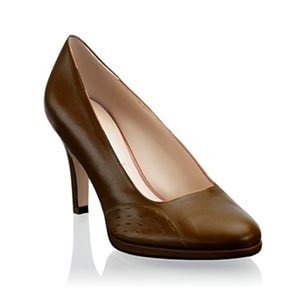
The “Emma” by Julie Lopez Shoes
One US company that specializes in bunion-friendly heels is Julie Lopez Shoes. Ms. Lopez, a former orthopedic nurse and bunion sufferer, couldn’t find a comfortable high heel to wear to her daughter’s wedding and decided to design her own shoes. She traveled to Italy to work with quality craftsmen and together they designed her collection that features All Day Fit.
You can also check out two shoe resources in England that specialize in bunion-friendly heels. They are Calla Shoes and Sole Bliss. They also have their own “bunion technology” along with many positive reviews.
Please remember that a major contributor to women seeking bunion pain relief is wearing high heels. The abnormal forward-tilting motion, the shift of weight to one small spot on the ball of the foot, and constrictive pressure are a recipe for foot disaster. So tread lightly and try to avoid high heels.
If you have bunions, especially if they are painful, see a foot specialist to take a closer look.
When shoes aren’t enough: treating bunion pain with a podiatrist
The right shoes can do a lot – reduce friction, offload pressure, and slow the progression of a bunion. But let’s be honest: shoes are a management tool, not a cure. If you’ve already tried wider toe boxes, softer uppers, and custom orthotics and you’re still waking up with throbbing pain, it may be time to have a real conversation with a podiatrist.
A few clear signs show that conservative care has run its course. If your bunion is visibly worsening, if pain is limiting your daily activities, or if you’re developing related problems like floating toe syndrome or big toe arthritis, surgery is worth exploring. The good news is that modern bunion surgery looks nothing like what your grandmother had. Techniques have advanced dramatically – you can read more about that in our breakdown of outdated bunion surgery techniques and why they’ve been replaced.
At DOCS Foot and Ankle, Dr. Bob Baravarian offers pioneering metal-free bunion surgery and Lapiplasty 3D bunion correction – minimally invasive approaches that correct the deformity at its root cause, using non-metal hardware that actually integrates with your bone over time. No metal to ever remove. Faster healing, less pain, and a tailored treatment plan built around your specific deformity and lifestyle.
If your bunion pain has progressed beyond what better shoes can manage, we’d love to help. Reach out to Dr. Bob’s team to schedule a personalized consultation and find out which treatment option is right for you.
Why Choose Dr. Bob Baravarian for Your Foot Health?
Dr. Bob is here to help with your foot and ankle problems. As a nationally recognized podiatrist, he provides advanced foot and ankle care with some of the nation’s highest success rates and leads research and treatment for all foot and ankle conditions.
To schedule a consultation, please call (855) 557-5400 or make an appointment now.
Dr. Bob Baravarian is conveniently located in Los Angeles, near Cedars-Sinai Medical Center, providing expert foot and ankle care for patients throughout Southern California.
Frequently asked questions about shoes for bunions
Do shoes actually cause bunions?

Shoes don’t directly cause bunions, but they can absolutely make them worse. Bunions develop because of genetics and foot mechanics, but narrow, pointed, or high-heeled shoes can speed up progression by pushing the big toe inward and increasing pressure on the joint. Choosing the right footwear early can slow things down considerably.
What is the single most important feature to look for in a bunion shoe?
Toe box width is the big one. You want enough room that your big toe joint isn’t being squeezed from the sides. Toe Can better shoes eliminate bunion pain entirely?
For mild to moderate bunions, the right shoes can make a dramatic difference in day-to-day comfort. But shoes manage symptoms – they don’t correct the underlying bone deformity. If your pain is interfering with daily life, it may be time to explore surgical options. Learn what separates modern techniques from older approaches in this overview of outdated bunion surgery techniques.box height matters too – a low ceiling over the toes can press down on the bunion bump and cause just as much irritation as a narrow fit. Soft, stretchy upper materials round out the trio of features worth prioritizing.
Can better shoes eliminate bunion pain entirely?
For mild to moderate bunions, the right shoes can dramatically improve day-to-day comfort. But shoes manage symptoms – they don’t correct the underlying bone deformity. If your pain is interfering with daily life, it may be time to explore surgical options. Learn what separates modern techniques from older approaches in this overview of outdated bunion surgery techniques.
Are wide-width shoes the same as bunion-friendly shoes?
Not always. A wide width helps, but some wide shoes simply add room on both sides without actually expanding the toe box where you need it most – right at the ball of the foot and big toe joint. Look specifically for shoes marketed with a wide or extra-wide toe box, not just a wider overall fit.
When should I see a doctor about my bunion?
If shoe changes aren’t relieving your pain, your bunion is visibly worsening, or you’re starting to develop related issues like big toe arthritis, it’s time to get a professional evaluation. Dr. Bob offers personalized consultations to help you understand all your options – from conservative care to pioneering metal-free surgery.