Golf. Sure, it’s a sport. But you wouldn’t think that a sport in which you can ride around in a cart and drink beer would result in many foot injuries.
Dr. Bob Baravarian advises golfers to prevent heel pain, such as plantar fasciitis, by focusing on proper foot care and biomechanics to alleviate strain on the plantar fascia. This involves selecting golf shoes with adequate arch support and cushioning, alongside performing regular stretching exercises for the calves and feet before and after playing. By optimizing footwear and incorporating targeted stretches, golfers can significantly reduce the risk of developing or worsening heel pain on the green.

This low-impact activity is often synonymous with a life of leisure, yet you might be surprised to find out that avid golfers frequently suffer from plantar fasciitis. Plantar fasciitis is a stress injury caused by overuse. The name refers to the inflammation of the plantar fascia – the thick band of tissue connecting your heel to your forefoot.
When the arch of the foot flattens too much, the plantar fascia sustains dozens of tiny micro-tears in damage. The micro-tears start to heal when you sit or lie down to rest. When you try to stand up again, the soles of your feet feel stiff and painful as the tears rip open anew.
The golf course, which requires several hours of standing, walking, and twisting, is the perfect environment for this type of stress injury.
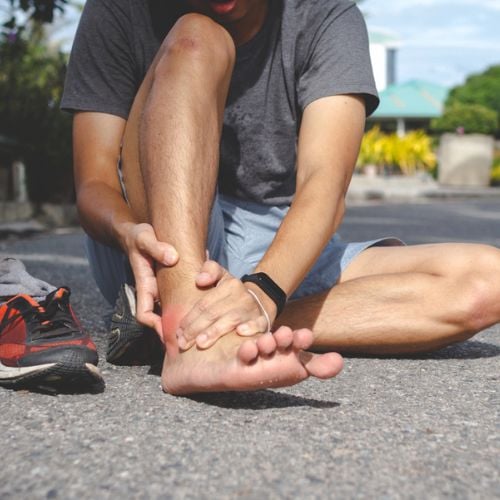
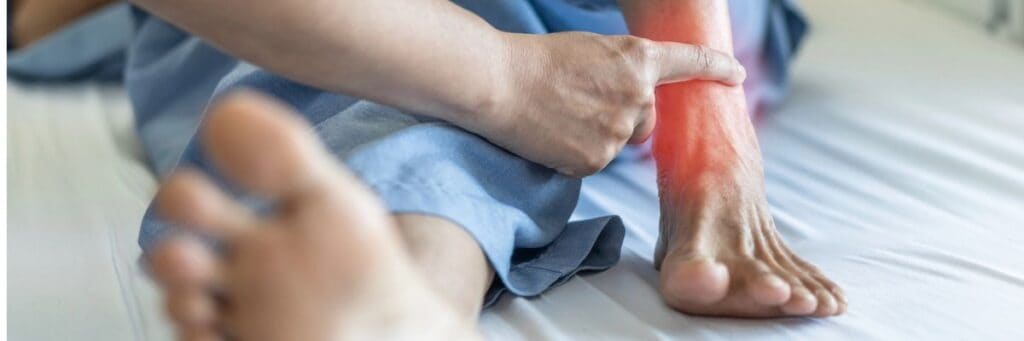
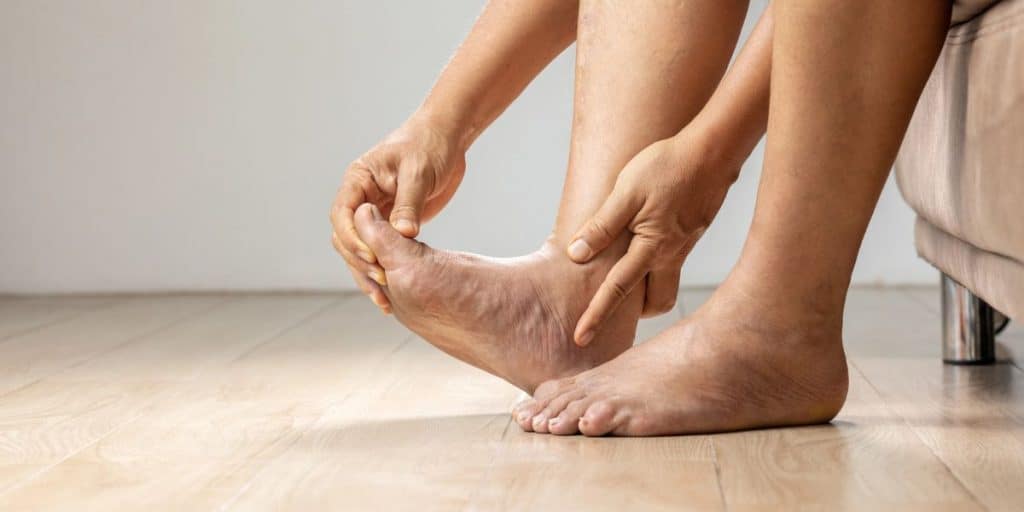
Do you experience a stabbing, throbbing, or aching pain in the heel after a long day on the green? Are your heels red or swollen? Is your pain the worst after a long period of rest? You might be suffering from plantar fasciitis.
Luckily, most cases can be treated at home. Follow these 9 tips and see if you can squeeze in another 9 holes.
How can investing in new shoes help prevent plantar fasciitis for golfers?
Wearing old, worn out shoes and shoes that don’t fit can lead to injury. Choose a pair of shoes that support the heel and have plenty of padding in the soles.
How can orthotic inserts help prevent plantar fasciitis for golfers?
You can also upgrade your footwear with orthotic inserts. You can buy inserts specifically for plantar fasciitis over the counter, or you can have your foot and ankle specialist fit you for a custom pair.
How does daily stretching help prevent plantar fasciitis for golfers?
Golf might not feel like a grueling exercise, but stretching your muscles before and after can strengthen the muscles in your feet and help the fascia to limber up. Stretch your calves while leaning against a wall, or, while seated, loop a resistance band around the mid foot and pull it towards you.
How can rolling your feet help prevent plantar fasciitis for golfers?
While seated, plant a golf ball between your foot and the floor. Roll your plantar fascia out from heel to toe, with as much pressure as you can without hurting yourself. A good old golf ball massage can bust up adhesions and get the blood pumping around the injury.
How can icing your feet help relieve heel pain from plantar fasciitis for golfers?
At the first sign of heel pain, grab an ice pack and apply it to the bottoms of your feet for 10-15 minutes. You can do this 2-3 times per day.
What pain relief medication can help golfers with plantar fasciitis heel pain?
NSAIDs (non-steroidal anti-inflammatory drugs) can help you manage the pain. Oral medication like Ibuprofen is a good choice, but the pros recommend Voltaren gel applied straight to the heel.
How can shaping your golf swing prevent plantar fasciitis and foot injuries?
Overextending or twisting the foot inward can exacerbate damage to the plantar fascia. Consult with a golf pro who can help you to practice proper form and reduce the risk of injury.
How does managing your weight help prevent plantar fasciitis and heel pain?
Excessive weight puts even more pressure on the arch. You can reduce stress on the fascia by dropping some extra pounds.
How can using a golf cart help prevent plantar fasciitis and foot stress?
Affording your feet plenty of time to rest is essential to treating – and preventing! – plantar fasciitis. No shame in it! Zip around in a cart to keep foot stress to a minimum while you enjoy your game.
To schedule a consultation, please call (855) 557-5400 or make an appointment now.
Dr. Bob Baravarian is conveniently located in Los Angeles, near Cedars-Sinai Medical Center, providing expert foot and ankle care for patients throughout Southern California.