Ideally, a new pair of running shoes should fit perfectly and feel comfortable right out of the box. Some people even argue that modern running shoes don’t need a break-in period. However, when you get a new pair of shoes, it is essential to take the time to break them in and allow them to adjust to your feet properly.
Finding the right shoes is only the first step of the process. If you don’t want to end up with blisters and sore feet, you need to know how to break in running shoes properly.
Why Do New Running Shoes Need Breaking In?
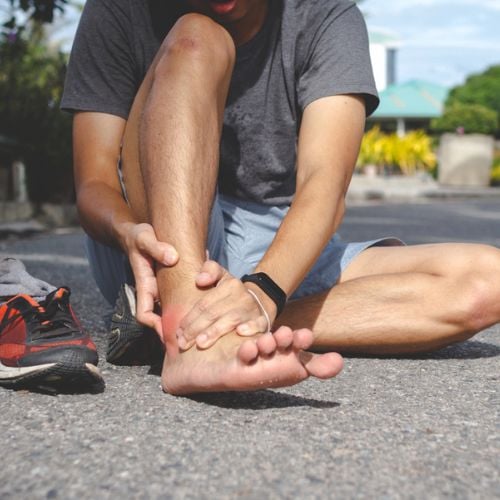
The primary purpose of breaking in a brand-new pair of shoes is to allow the material to soften and adjust to the shape of your feet. This prevents you from developing foot injuries such as:
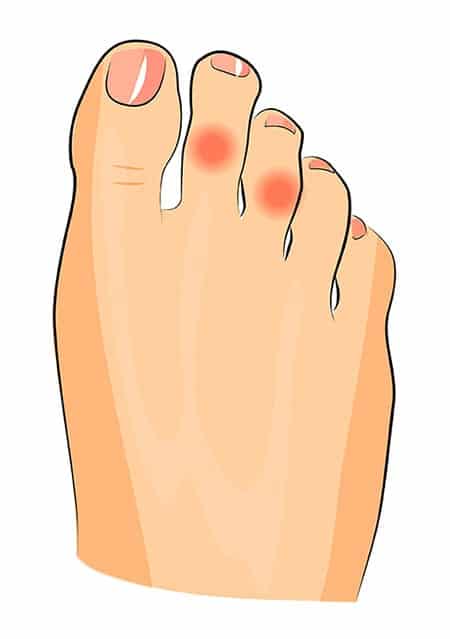
- Blisters: fluid-filled pockets caused by the friction of shoe material rubbing against your skin.
- Hot Feet: Constant friction between shoes and your feet can cause swelling and a burning sensation.
- Corns: These hard, painful, raised bumps are caused by excess friction or pressure on a particular spot on your foot. They mostly appear between or on top of the toes.
- Calluses: Similar to corns, these are dry, rough patches that mostly appear on the heel and sole. They are also caused by excess chafing between the shoes and your feet.
While some people may disagree, even the best running shoes require breaking in regardless of their quality.
How Long Does It Take to Break in New Running Shoes?
Typically, it takes a couple of weeks for your new running shoes to fully adjust to the shape of your feet. The exact length of time depends on multiple factors:
- How often you wear them
- Type of shoe
- How you break them in
How to break in running shoes
1. Go for a Walk in Them
- The toe box isn’t high or wide enough – you should have some space left to wiggle your toes
- You cannot take them off without untying the shoelaces completely
- They don’t bend or crease along your feet’s flexing points – To ensure that they do, bend your foot while wearing the shoe
- Your toes begin feeling numb after walking for a short while
2. Go for a Short Run in Them
Watch for the following signs of ill-fitting shoes:
- The top of your foot feels numb. This is usually because the shoes are too tight, inhibiting blood circulation in your feet.
- Your toes and soles feel like they are burning. This may be because the shoes’ soles are too stiff.
- You feel a throbbing pain in your knees
- You feel strong, deep pain in your feet that doesn’t subside even after running for a few miles
- Sore spots where the shoes have put pressure on your feet
If you experience these symptoms, it’s time for different shoes.
3. Wear Your Shoes with Thicker Socks
When going out for a run, you should be wearing proper running socks made from a breathable, moisture-wicking material. But to break shoes in faster, wear thicker socks to stretch out the frame.
4. Freeze the Shoes
- Partially fill two freezer bags with water
- Remove all the air inside the bags and seal them
- Place one bag in each shoe, and then place them inside a bigger bag. This will prevent ice from accumulating in your running shoes.
- Place shoes in the freezer and wait for at least three hours
- Remove the shoes from the freezer and wait for a couple of minutes to be able to take out the bags easily
- Try your new shoes on and walk or run in them to feel the difference
5. Heat Them
- Wear the shoes for at least 15 minutes to allow them to adapt to your feet
- Blast them with heat from a hairdryer for 2-5 minutes. Do this while you are still wearing them, as it will enable the shoes to be more malleable to your feet.
- Run or walk in your softened shoes
Final Thoughts about Breaking in New Running Shoes
If you’re replacing your old pair of shoes with the same style, your breaking-in period will be shorter. However! Be aware that a new model of your previous pair of shoes will fit your feet differently and should be properly broken in.
Don’t throw out your old shoes right away, either. Alternating between different pairs of shoes can reduce strain on your body and give your feet time to adapt to new shoes.
If you need tips on finding the right pair of running shoes, contact your podiatrist or get advice from your local running store.
Why choose Dr. Bob Baravarian for Foot and Ankle Care?
If you’re struggling with any foot or ankle issues, Dr. Bob is here for you. He offers the most advanced podiatry care and the highest success rates in the nation. He is a nationally recognized foot and ankle specialist and a leader in researching, diagnosing, and treating all foot and ankle conditions and common injuries.
For a consultation, please call (855) 557-5400 or make an appointment online now.
Dr. Bob Baravarian is conveniently located in Los Angeles, near Cedars-Sinai Medical Center, providing expert foot and ankle care for patients throughout Southern California.