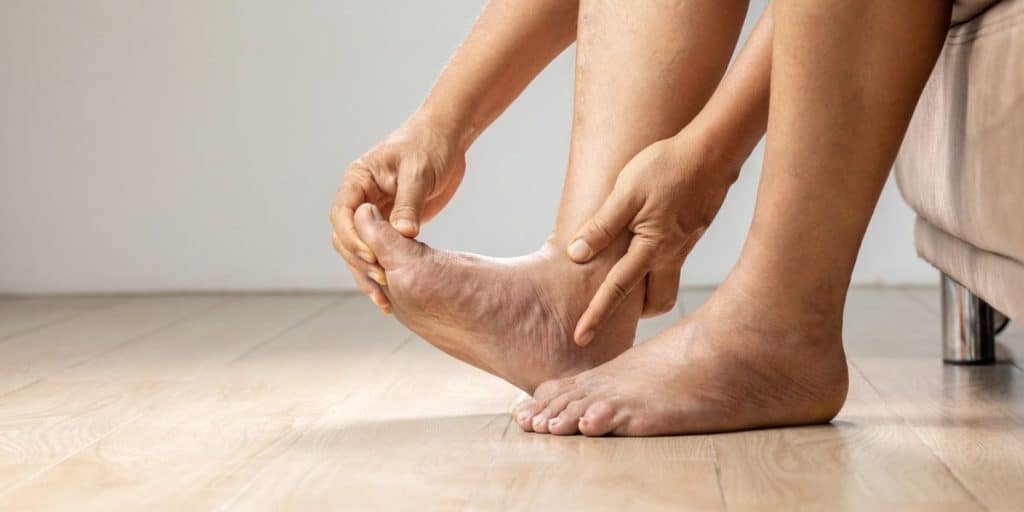
We recently discussed the various ways that being overweight can affect your podiatric health. To recap, it’s not surprising that carrying around surplus weight leads to foot and ankle problems. Being overweight exerts extra pressure on your feet and ankles, and this leads to serious difficulties such as flat feet, plantar fasciitis, tendinitis, bone spurs, arthritis, gout, diabetic damage to feet, and peripheral artery disease. This article will address how you can cope with foot problems caused by extra weight.
What to do when extra weight causes foot and ankle problems
The most obvious right answer is to lose weight
We know “duh” right? But when you’re overweight, losing that weight is neither simple nor easy. There’s a built-in Catch 22. Exercise reduces obesity, of course, but the foot and ankle problems caused by obesity can make it very difficult to exercise. It’s almost like obesity tries to protect itself by preventing exercise.
However, those disabling foot and ankle problems that inhibit strenuous exercise won’t interfere at all with adopting a healthier diet. Talk to your doctor about support programs and how you can make the right changes in your life to start losing weight.
Try foot-friendly exercise
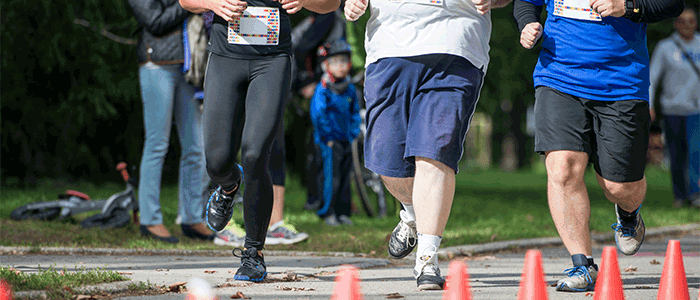
The doctors and physical therapists at Dr. Bob Baravarian can advise you on exercise programs that will make working out more comfortable and easier on your feet and ankles. Activities such as swimming, water aerobics, and stationary bikes place minimal (or at least reduced) pressure on the feet and ankles.
Don’t forget about the shoes!
While you’re in the process of losing unwanted weight, pay attention to your footwear. When choosing your daily footwear, be sure to consider its cushioning and support, and look for a wider toe box.
For those who want to start walking to keep their metabolism up and burn some fat, choose a durable shoe with a wide and sturdy footbed that can withstand the weight. Dr. Baravarian suggests looking for a shoe that supports orthotics.
Custom orthotics are the first line of treatment for many foot and ankle problems. They are built to the unique contours of your foot and provide the correct amount of stability needed to treat your specific conditions. Tip: be sure to take your orthotics to the shoe store so you can try on shoes while wearing them.
It is important to have the right footwear to support the extra pounding your feet will be subjected to by being both overweight and physically active, so choose carefully. Fortunately, there are now a good number of quality options from which to choose. (You definitely want to wear your orthotics with these shoes, too.)
A few excellent shoe choices for men who are exercising to lose their extra weight:
- The Brooks Beast
- Orthofeet Diabetes and Plantar Fasciitis Walking Shoes
- New Balance M1540V2 (Medicare approved)
For women who are trying to exercise and lose weight, here are some of our top shoe choices:
- New Balance 990V3
- The Brooks Ghost
- Asics Gel-Nimbus 19
Here at Dr. Bob Baravarian, we provide curative remedies for each of the podiatric problems caused by obesity, starting with basic conservative protocols and including, when necessary, surgical relief. We are here to help our overweight patients improve the quality of their lives by eliminating the foot and ankle problems caused by obesity.
If you’re experiencing any foot or ankle pain, don’t hesitate to make an appointment with Dr. Bob Baravarian. As a nationally recognized podiatrist, he provides the most advanced foot and ankle care with some of the highest success rates in the nation and is a leader in the research and treatment of all foot and ankle conditions.
To schedule a consultation, please call (855) 557-5400 or make an appointment now.
Dr. Bob Baravarian is conveniently located in Los Angeles, near Cedars-Sinai Medical Center, providing expert foot and ankle care for patients throughout Southern California.