A breakthrough in treating great toe arthritis: no metal, less pain, faster healing. Discover Dr. Bob’s OssioFiber® innovation
Expert big toe arthritis treatment in Los Angeles by Dr. Baravarian
Los Angeles foot and ankle surgeon Dr. Bob Baravarian is nationally recognized for his expertise in treating great toe arthritis. Known for perfecting joint-preserving techniques, he focuses on realigning the toe and cleaning the joint to avoid fusion, when possible.
In many cases, he can restore function without the need for a metal implant, helping patients keep their natural joint. For severe arthritis, Dr. Baravarian also offers his completely non-metal advanced fusion surgery as well as joint replacement options.
Named as one of the Best Foot and Ankle Surgeons in California and Top Doctors in Los Angeles by Los Angeles Magazine, Dr. Bob built his reputation for over 25 years delivering exceptional long-term results.
What’s hallux rigidus?
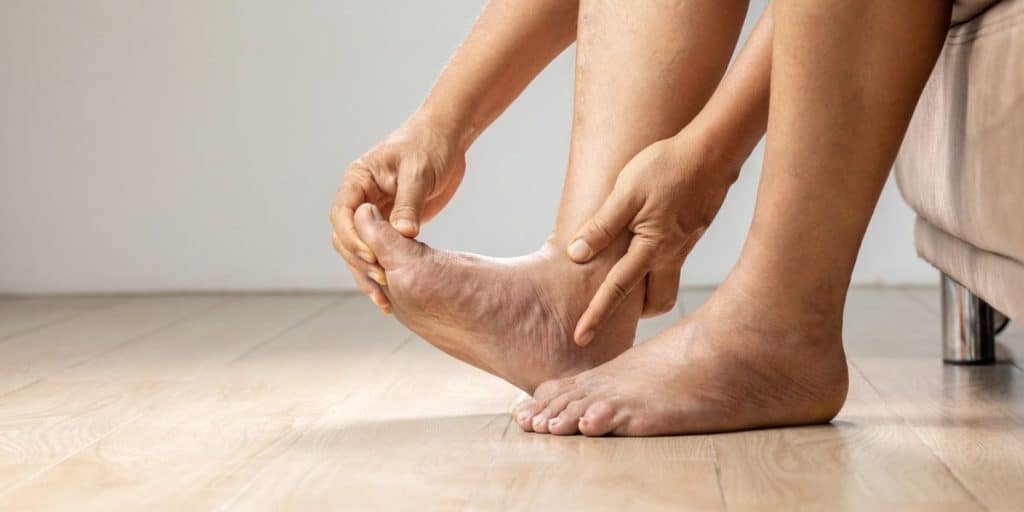
Also referred to as big toe arthritis, this condition is a type of degenerative arthritis that impacts the joint at the base of the big toe
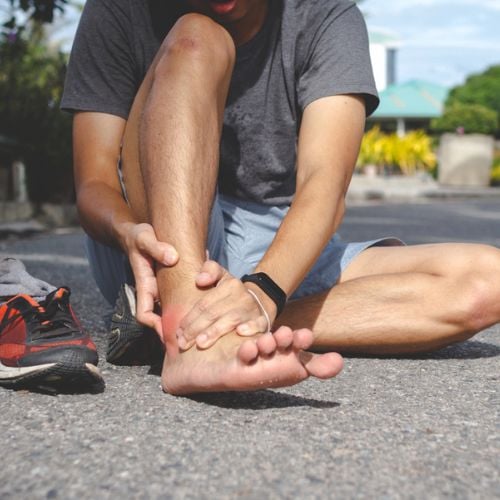
This condition often begins as hallux limitus, which causes stiffness, swelling, and pain in the big toe joint, especially during walking or activities that require the toe to bend. Over time, it can progress into hallux rigidus, where the joint becomes increasingly stiff and eventually loses its ability to move.
What are the symptoms of big toe arthritis?
Hallux rigidus and hallux limitus represent stages of the same condition, sharing several similar symptoms, including:
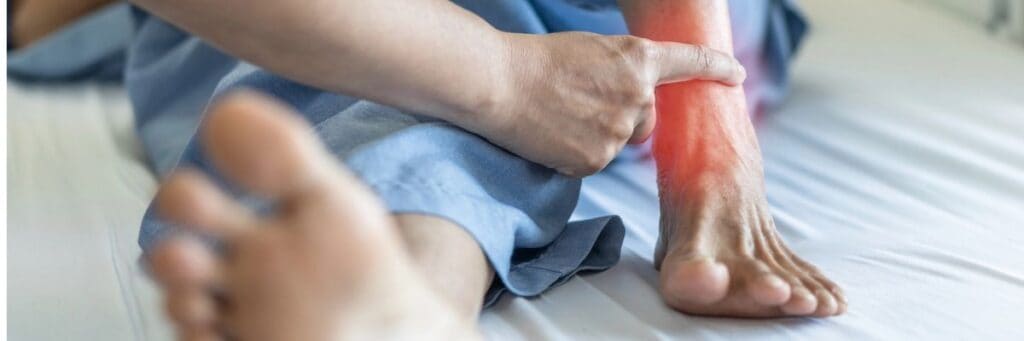
- Discomfort and pain in the joint of the big toe
- Swelling often occurs around the joint
- Discomfort experienced in damp or cold weather
- A sensation of “tightness” in and around the joint
- Difficulty wearing shoes, especially high heels
- A callus under the big toe due to increased pressure.
- Bone growths, like bunions or spurs, at the top of the joint
- Eventually, even walking becomes difficult, leading to limping, pain in other areas of the foot, discomfort in the knee and hip, and weight gain due to reduced exercise.
What are the causes and risk factors of hallux limitus and hallux rigidus?
The root cause of hallux limitus/rigidus is arthritis in the big toe; however, certain behaviors can contribute to the premature deterioration of cartilage and the symptoms of arthritis. These include:
- Wearing high heels or poorly fitting shoes
- Squatting for long periods of time
- Stubbing the big toe
- Poor running technique
- Avoid excessive strain during high-impact activities that put repeated pressure on your toes.
Other risk factors for hallux rigidus include normal wear and tear due to aging and genetic influences. Certain inherited foot shapes or deformities can contribute to or cause big toe arthritis. Examples of these include:
- Pronation: When the foot rolls outward at the ankle, it causes excessive strain on the inner foot while walking. This puts undue weight and pressure on the big toe joint and the surrounding soft tissue.
- High arches: If you have high arches, walking places too much weight on the bottom of your foot. This creates excessive pressure on the toe joint, resulting in compression, deterioration, and tearing.
- Elevating the big toe creates excessive downward pressure and force on it with each step.
- An unusually long big toe can increase stress on the big toe joint, especially when wearing high heels or shoes that are too tight. This can cause the joint cartilage to become pinched between the big toe and the metatarsal (foot bone), resulting in premature wear and deterioration of the cartilage.
Non-surgical treatments for hallux rigidus
Although non-surgical treatment options for big toe arthritis are limited, some effective therapies for many patients include:
Shoe modifications
Wider shoes with a larger toe box can reduce pressure on the inflamed big toe joint and ease pain.
Stiff-soled shoes can help limit big toe movement. Dr. Baravarian sometimes recommends rocker-bottom soles to relieve pressure, as well.
Shoe inserts and custom orthotics
Custom orthotics designed specifically for your feet can alleviate pressure on the big toe and redistribute it throughout the rest of the foot.
Nonsteroidal painkillers
Over-the-counter nonsteroidal anti-inflammatory drugs (NSAIDs) like ibuprofen and Aleve may be recommended to help relieve pain and inflammation. Keep in mind, never take these medications without food in your stomach, as they can cause serious gastrointestinal side effects.
Steroid injections
Injections of catabolic steroids (corticosteroids) into the joint can help reduce inflammation and scar tissue. This type of injection typically offers temporary relief.
Joint fluid injections
Receiving multiple injections of a standard joint fluid substitute (sodium hyaluronate) over several weeks can improve joint lubrication, often alleviating pain.
Stem cell treatment
A revolutionary new technique that utilizes stem cells from your own body may assist with cartilage repair. The stem cells are collected from your bone marrow and concentrated during your visit. The concentrated stem cells are then injected into the toe joint, which may aid in repairing cartilage damage.
Surgical options for hallux rigidus
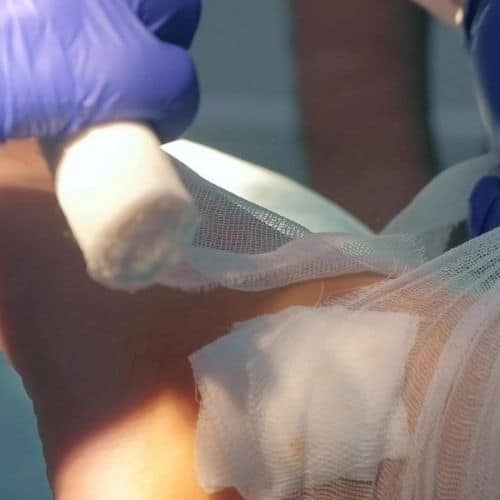
While non-surgical treatments are the preferred option, they do have their limitations. Unfortunately, conservative treatments aren’t always effective. Dr. Baravarian has several effective surgical options to consider when necessary.
This video contains real surgical footage and may not be suitable for all viewers.
Cheilectomy procedure
Cheilectomy removes scar tissue and spurs from the joint, allowing for a significantly improved range of motion. Physical therapy starts soon after surgery to promote joint movement and prevent scarring and stiffness. Although recovery is quick with this procedure, it is not recommended for severe cases of arthritis.
Hybrid cheilectomy/osteotomy repositioning procedure
Another surgical option combines a cheilectomy with a cut in the metatarsal (foot) bone to shorten and lower the bone, thereby preventing jamming by slightly reducing and lowering the elevated bone that leads to the great toe. Recovery is somewhat slower than with a traditional cheilectomy because there is a waiting period for the bone cut to heal.
A screw is used to hold the bones together, allowing for immediate weight-bearing and an early return to shoes compared to procedures that do not involve a screw. Patients typically return to full activity after about two months. Physical therapy is also employed to reduce stiffness and pain following surgery.
Laxity correction
In some cases, the first metatarsal bone leading to the great toe joint is so elevated and loose that laxity must be corrected. Surgery is performed by lowering the 1st metatarsal and fusing it to a bone in the midfoot.
This helps reduce arch collapse and promotes the normal positioning of the foot. After realigning the first metatarsal, the great toe joint is cleaned of scar tissue and spur formation. This procedure is an excellent long-term correction option and addresses the source of an elevated first metatarsal and jamming of the great toe.
Arthrosurface
Arthrosurface is Dr. Baravarian’s preferred surgical solution for hallux rigidus if a joint replacement is necessary. The Arthrosurface is a metal partial joint replacement that allows for a quicker recovery compared to other great toe surgeries, providing pain relief and improved motion in the joint. Patients can be on their feet immediately and wear sandals just five days after the procedure.
The Arthrosurface procedure replaces the area of missing cartilage at the metatarsal head with a titanium implant, ensuring that joint alignment and function remain intact and essentially normal. This treatment has proven to be quite successful for cartilage degeneration of the big toe and ankle.
The result is that Dr. Baravarian can preserve your joints’ natural range of motion with this minimally invasive outpatient procedure. Patients often feel immediate relief.
Metal-Free fusion surgery with OssioFiber® non-metal surgical hardware
In more advanced cases, where cartilage damage is severe, we perform a fusion procedure to eliminate pain and stabilize the joint.
Traditionally, this surgery relied on metal plates, screws, or staples to hold the bones together. However, metal hardware often causes irritation, swelling, or sensitivity in cold weather, and sometimes even requires a second surgery for removal.
To overcome these issues, Dr. Bob Baravarian partnered with OssioFiber®, helping develop a next-generation non-metal fixation system that transforms the way we treat great toe arthritis. OssioFiber hardware provides the same strength as metal but is made from a bio-integrative fiber that gradually becomes your own bone over two years. This eliminates the risk of metal allergies, reactions, or post-surgical discomfort.
Because the material promotes faster bone healing and reduces inflammation, patients can often walk on the foot almost immediately after surgery and return to regular shoes sooner.
For enhanced recovery, Dr. Baravarian may also incorporate bone marrow aspirate and amniotic injections, which help accelerate healing and minimize scar tissue formation for better long-term outcomes.
The result is a more comfortable recovery, stronger bone healing, and a lasting solution to big toe arthritis—without the pain and complications of metal hardware.
Dr. Baravarian provides the most advanced treatment for big toe joint arthritis
Dr. Bob is at the forefront of big toe arthritis treatment. He provides comprehensive care, including conservative treatments, a range of diagnostic imaging services such as MRI and CT scans, as well as dedicated foot and ankle physical therapy and surgical options.
Dr. Bob is a nationally recognized expert in the treatment and correction of hallux rigidus. He is at the forefront of treatment and research, committed to offering state-of-the-art care for big toe arthritis and assisting in the development of the leading surgical implant. He regularly teaches his techniques to foot surgeons worldwide.
By offering a comprehensive range of workups, conservative, surgical, and recovery options, Dr. Bob genuinely takes care of you in a state-of-the-art manner, eliminating the need for you to go from place to place.
Dr. Bob Baravarian is conveniently located in Los Angeles, near Cedars-Sinai Medical Center and Beverly Hills, providing expert foot and ankle care for patients throughout Southern California.
Frequently Asked Questions about Hallux Limitus
Can hallux rigidus cause knee or back pain?

Hallux rigidus is a condition that primarily affects the big toe joint, causing stiffness and limited motion in the joint. While it may not directly cause knee or back pain, there can be indirect factors associated with hallux rigidus that might contribute to knee or back pain.
Can hallux rigidus cause other problems?
Potential issues associated with hallux rigidus include foot deformities such as bunions or hammertoes, altered gait affecting the ankles, knees, and lower back, progression of arthritis, reduced mobility, and pain or discomfort. If you suspect hallux rigidus, consult a foot and ankle specialist or a podiatrist nearby.
Can hallux rigidus cause plantar fasciitis?
Hallux rigidus does not directly cause plantar fasciitis, but the altered mechanics resulting from the condition can indirectly contribute to the development or worsening of plantar fasciitis. If you experience symptoms of hallux rigidus or plantar fasciitis, consult a healthcare professional.
Can you run with hallux rigidus?
Running with hallux rigidus can be challenging, and whether it’s advisable depends on the severity of your condition, your pain tolerance, and the guidance of your foot and ankle specialist.
How to prevent hallux rigidus?
Preventing hallux rigidus involves:
- Selecting appropriate footwear
- Maintaining a healthy weight
- Pay attention to early symptoms of foot health.
- Avoiding activities with a high impact
- Proper warm-up, stretching, and strengthening exercises.
- Orthotic devices and regular check-ups as needed are also beneficial.
What are the best shoes for hallux rigidus?
Selecting the right shoes for hallux rigidus is crucial to minimizing discomfort. Look for a wide toe box, good arch support, cushioning, a slightly stiff sole to limit motion at the big toe joint, a low heel to reduce strain on the big toe, removable insoles for orthotic inserts, and adjustable laces or straps.
Will orthotics help big toe arthritis?
Orthotic devices can be helpful for certain individuals with big toe arthritis, depending on the type and severity of the arthritis as well as the specific biomechanical issues linked to the condition.
Do you use the Hemi joint implant for treating hallux ridigus?
No, Dr. Baravarian no longer uses the Hemi implant; it is obsolete, and now he performs the vastly superior Arthrosurface procedure.
How are hallux limitus and hallux rigidus diagnosed?
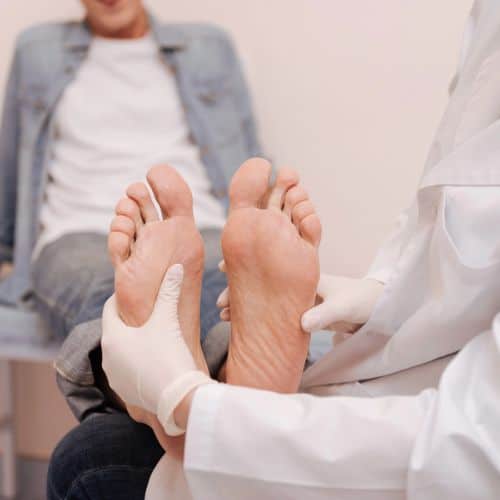
Dr. Bob Baravarian employs several methods to ascertain whether a patient has big toe arthritis.
During the examination, he will assess the mobility of the metatarsophalangeal (MTP) joint and identify specific areas of pain. The presence of bone spurs, often linked to this condition, will also be evaluated.
To further investigate the extent of joint deterioration as well as the size and location of any bone spurs, standing X-rays, which enable weight to be applied to the foot, are typically performed. Additional imaging tests, such as MRI and CT scans, are generally unnecessary for diagnosing hallux rigidus.