Foot and Ankle Conditions and Treatments
Dr. Bob Baravarian is an internationally recognized leader in foot and ankle care, research and development of state-of-the-art treatments and technologies.
Even though he is a world class surgeon, he ALWAYS try to avoid surgery since conservative non-invasive treatments work 70% to 95% of the time.
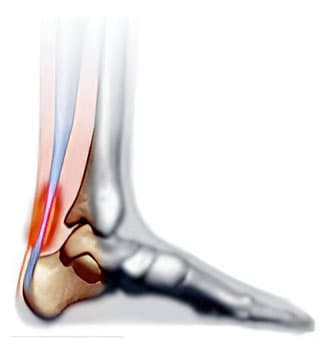
Achilles Tendinitis and Achilles Tendinosis
Achilles tendinosis is very similar to tendinitis with one critical difference.
Learn More
Accessory Navicular
Who is at risk for accessory navicular? This ossicle (extra bone) is usually encased in the posterior tibial tendon, which attaches the foot’s inside (medial) arch to the calf muscle. […]
Learn More
Achilles Tendon Rupture
The Achilles is the largest and strongest tendon and is used whenever you move your foot. It can withstand 1,000 pounds of force, yet prone to injury.
Learn More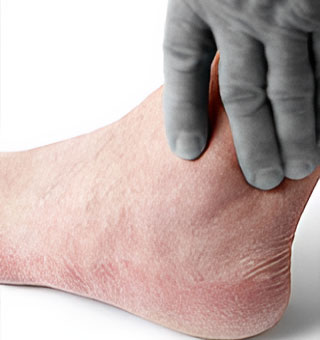
Ankle Arthritis
What’s ankle arthritis? Ankle arthritis, a form of osteoarthritis, is a degenerative condition in which the cartilage and ligaments of the ankle joint wear thin and eventually break down. Without […]
Learn More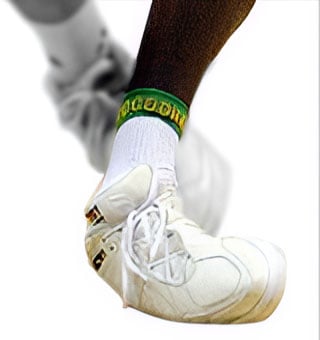
Ankle Sprain & Chronic Ankle Instability
Chronic ankle instability results from recurring sprains or one that didn't heal properly. The ligaments stretch or tear and it feels like it will "give way."
Learn More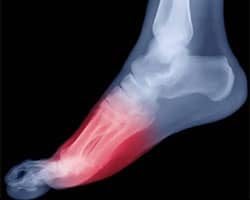
Avascular Necrosis
What causes avascular necrosis? Freiberg’s disease is a painful condition that can affect young athletes, especially teenage girls. The causes of avascular necrosis are often difficult to pinpoint. However, it […]
Learn More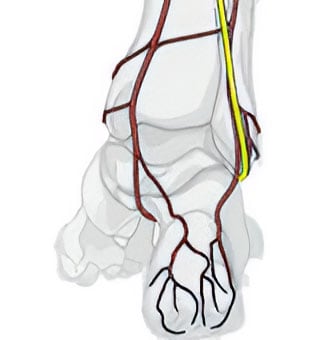
Baxters-neuritis (Calcaneal Nerve Entra)
Baxter’s neuropathy can be overlooked as a source of heel pain since many other conditions can lead to similar discomfort. Approximately 20% of the time, patients visit Dr. Bob Baravarian […]
Learn More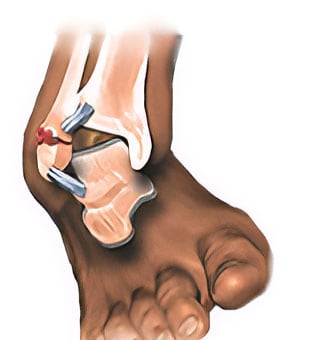
Broken Ankle
Obtaining the correct diagnosis and medical advice can significantly influence your outcome. When it comes to your ankle, it’s better to be safe now than to be regretful later. It […]
Learn More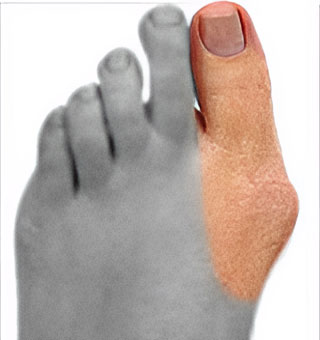
Bunion Surgery
A bunion is (usually) when your big toe moves in the opposite direction of the long toe, creating a very noticable bump, pain and loss of function.
Learn More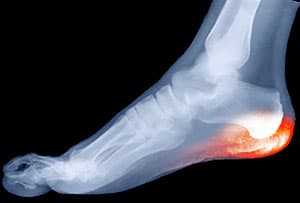
Calcaneal Apophysitis (Sever’s Disease)
What causes Sever’s disease? Sever’s disease can occur when the calcaneus (heel bone) grows faster than the leg muscles and tendons. If heel bone growth outpaces the calf muscles, the […]
Learn More
Calcaneus (Heel Bone) Fracture
What are the types of calcaneal fractures? Traumas that cause a calcaneus fracture can also harm other tissues. Some of these injuries are more severe or harder to treat than […]
Learn More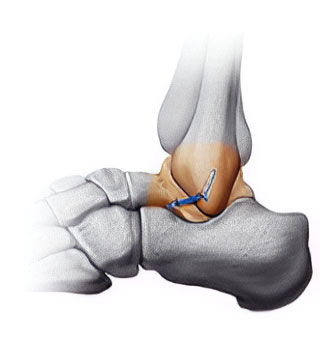
Chronic Ankle Instability
Ankle instability is when your ankle joint repeatedly “gives way”. This is due to ligament laxity. In other words, weakened ligaments that no longer support your normal range of motion. The results are persistent ankle pain and reduced function.
Learn More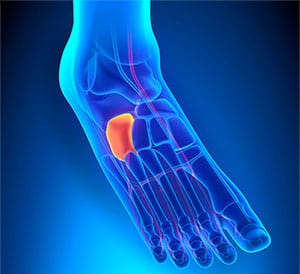
Cuboid Syndrome
This can happen gradually due to overuse and repetitive strain, or it can dislocate suddenly during a foot or ankle injury. Several ligaments connect the cuboid bone to the heel […]
Learn More
Flat Foot & Cavus Foot
Flat foot and cavus foot (high arches) are used to describe several complex foot disorders, each with its own causes and symptoms.
Learn More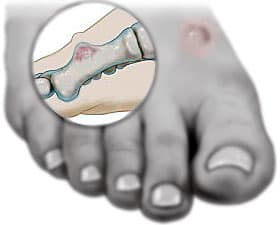
Ganglion Cysts: Symptoms and Treatment Options
What are the risk factors for ganglion cysts? While the exact cause of ganglion cysts isn’t known, certain risk factors can increase the likelihood of developing them. What are the […]
Learn More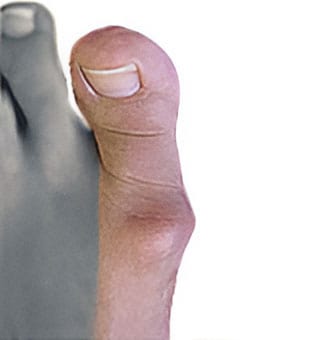
Hallux Rigidus (Big Toe Arthritis)
What’s hallux rigidus? Also referred to as big toe arthritis, this condition is a type of degenerative arthritis that impacts the joint at the base of the big toe This […]
Learn More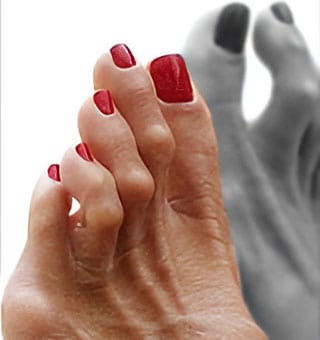
Hammer Toe
A hammer toe is a muscle imbalance around the toe joints which causes the toe to bend, pushing it upward in a claw-like position. It will never get better without intervention.
Learn More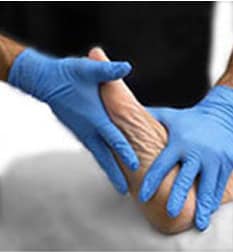
Heel Pain
To properly address your heel pain, we first need to determine the cause. There are many potential causes of heel pain and each requires a different type of treatment or intervention.
Learn More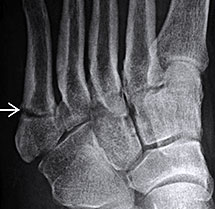
Jones Fracture and Lisfranc Fracture
What are the symptoms of a Jones fracture? Typical symptoms include: Some patients can pinpoint exactly when the injury happened, while others describe a dull ache or soreness that has […]
Learn More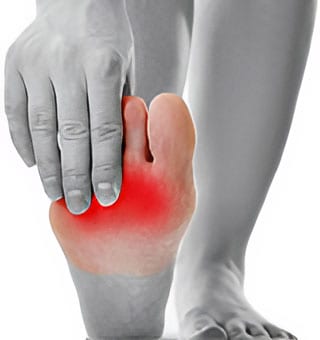
Metatarsalgia
Metatarsalgia describes a variety of symptoms that, most often, cause ball of foot pain. There are many causes that contribute to this condition.
Learn More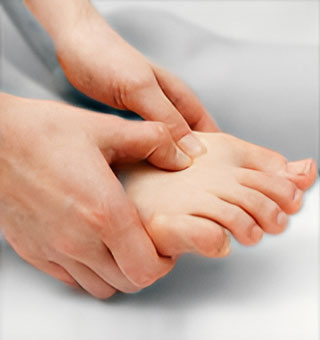
Morton’s Neuroma
A neuroma is a benign growth or inflamed nerve. In the ball of the foot, it's called Morton’s Neuroma. The pain it causes feels like you're walking on a pebble.
Learn More
Osteochondral Lesion of the Talus: Causes & Treatment
Learn what an osteochondral lesion is, how it's staged, and which treatments - from PRP to BioCartilage - deliver the best outcomes. Expert care in Los Angeles.
Learn More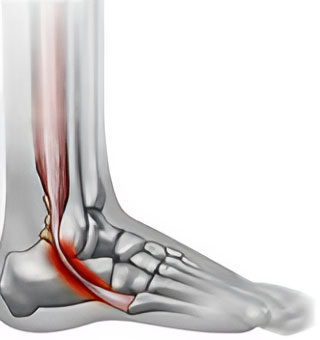
Peroneal Tendon Injuries
What is peroneal tendon dysfunction? A peroneal tendon tear is just one of three types of peroneal dysfunction. All three are predominant causes of ankle instability and pain and can […]
Learn More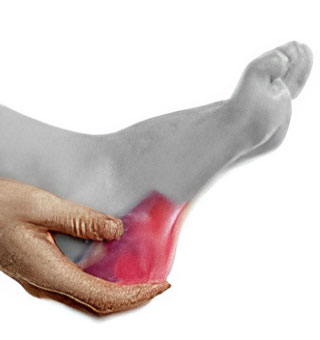
Plantar Fasciitis
Plantar Fasciitis (heel pain) is when the plantar fascia (the thick band of tissue on the bottom of your foot) is swollen or inflamed and can be very painful.
Learn More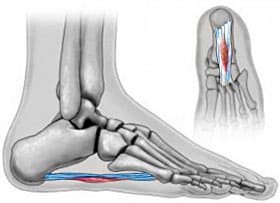
Plantar Fibroma Cysts
What are the symptoms of a plantar fibroma cyst? Early-stage plantar fibroma may have no symptoms. As it progresses, you might find it difficult to wear shoes that press on […]
Learn More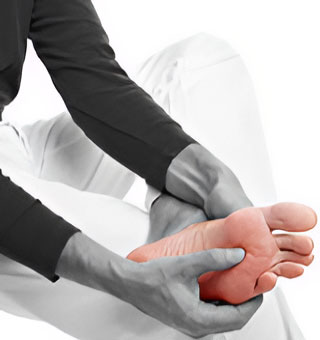
Plantar Plate Tear
The plantar plate is a strong ligament on the bottom of the foot and keeps toes in their joint and prevents them from drifting. Injuries are also called "Ball of Foot Pain."
Learn More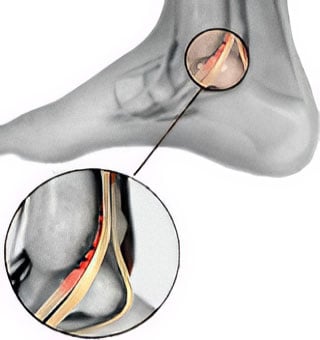
Posterior Tibial Dysfunction
What are the posterior tibial tendon tear symptoms? In its early stages, posterior tibial dysfunction can be characterized by an inflamed tendon. Because the tendon runs along the back of […]
Learn More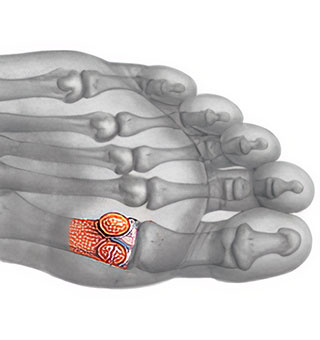
Sesamoid Injuries
Sesamoiditis vs. sesamoid fracture These tiny bones, often likened to pulleys in the foot, absorb pressure from the ground as the foot pushes off during walking or running. They can […]
Learn More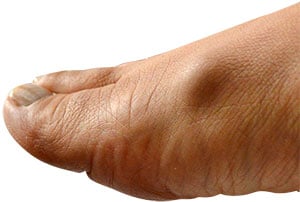
Synovial Cysts
What are the symptoms of a synovial cyst? Cysts are often painless but can also cause a burning sensation and skin irritation, making walking and wearing shoes uncomfortable. A synovial […]
Learn More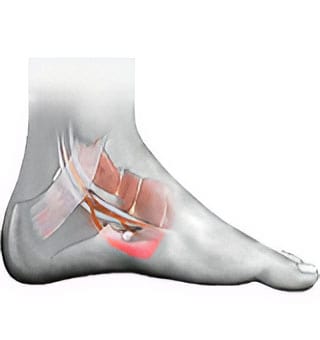
Tarsal Tunnel Syndrome
What’s tarsal tunnel syndrome? The tarsal tunnel is located inside the ankle. Running next to the ankle bones, this narrow tunnel serves as a pathway for many of the foot […]
Learn More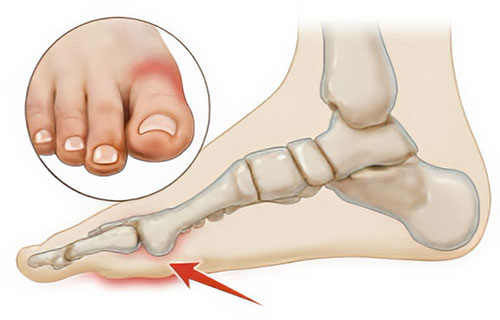
Turf Toe
What causes turf toe? Turf toe can occur on any hard surface, but it is most common in sports that involve artificial turf and light, flexible shoes. These light shoes […]
Learn MoreCommon Foot and Ankle Conditions
Foot and ankle conditions can affect people of all ages, from athletes to seniors. Some of the most common foot and ankle conditions include plantar fasciitis, Achilles tendonitis, bunions, hammer toe, and ankle sprains. These conditions can cause pain, discomfort, and limited mobility, making it important to seek treatment from a qualified podiatrist.
At University Foot and Ankle Institute, our team of experienced podiatrists specializes in diagnosing and treating a wide range of foot and ankle conditions. From conservative treatments like orthotics and physical therapy to advanced surgical interventions, we offer comprehensive care to help our patients find relief and restore function to their feet and ankles.
Importance of Early Intervention and Treatment
Early intervention and treatment for foot and ankle conditions can prevent the development of more serious problems in the future. Ignoring symptoms like chronic pain, swelling, or limited mobility can lead to further damage and complications down the road. By seeking prompt medical attention from a skilled podiatrist, patients can receive a proper diagnosis and personalized treatment plan to address their specific needs.
Whether you are dealing with a recurring injury, a chronic condition, or acute pain in your feet or ankles, don’t hesitate to contact University Foot and Ankle Institute for expert care. Our team is dedicated to helping patients of all ages achieve optimal foot health and mobility through individualized treatment plans and compassionate care.