As a parent, your child’s health and comfort are top priorities. Foot problems, especially in growing children, can cause concern and confusion. One such condition is pediatric bunions, or juvenile hallux valgus, a deformity at the base of the big toe. While bunions are often associated with adults, they can also develop in children and adolescents, causing discomfort, pain, and difficulty with daily activities.
Pediatric bunions on the feet don’t always require surgical intervention. However, there are some cases when pediatric bunion surgery can improve your child’s quality of life.
What is a pediatric bunion?
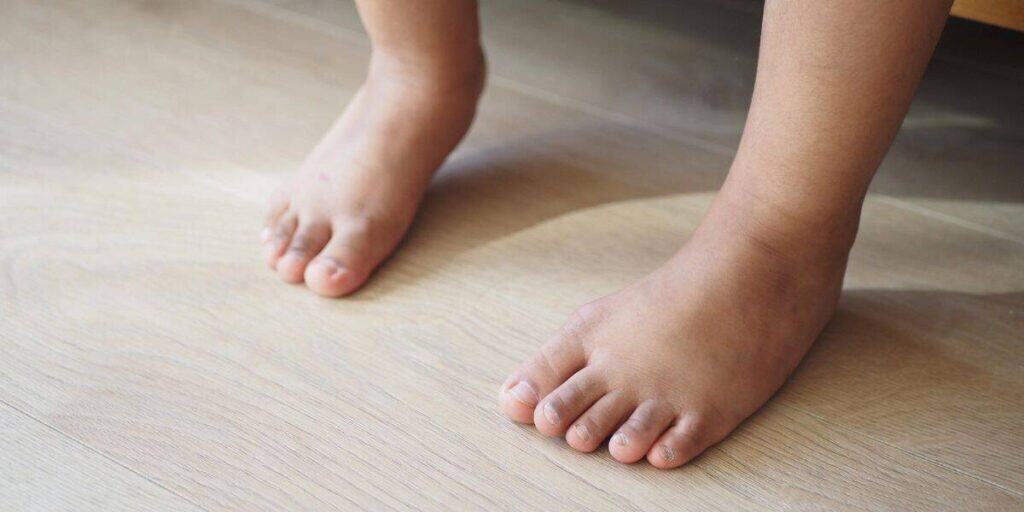
A pediatric bunion, or juvenile hallux valgus, is a foot deformity where the big toe begins to lean toward the smaller toes, creating a noticeable bump on the side of the foot. This bump is caused by the shifting of the bones in the foot, particularly at the joint where the big toe meets the rest of the foot (the metatarsophalangeal joint). Over time, this misalignment can worsen, leading to pain, swelling, and difficulty finding shoes that fit comfortably.
Causes of juvenile bunions
Pediatric bunions can develop on children’s feet for several reasons, many of which differ from adult bunions’ causes. Some of the most common causes include genetics, such as a family history of bunions, flat feet, or hypermobility. Wearing poorly fitting shoes or tight shoes can also contribute to the problem. Finally, children with flat feet or who overpronate (where the foot rolls inward excessively when walking) are more prone to bunions.
Symptoms of pediatric bunions
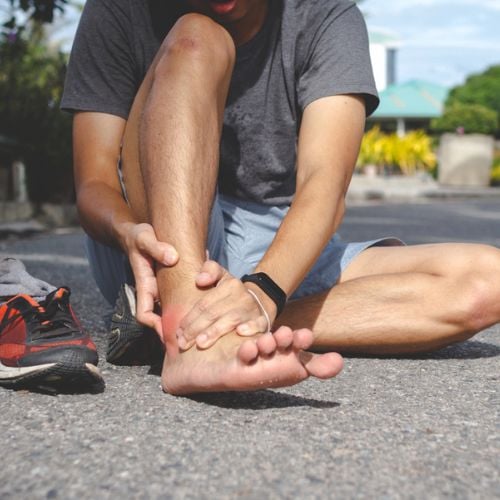
A child’s bunion can be difficult for parents to spot in the early stages. However, as the bunion progresses, several symptoms may become more noticeable. You may see a sore bump on the side of the big toe joint. Your child may complain of foot pain or discomfort in the big toe, and the area may become red and swollen.
Children with bunions also may have limited movement of the big toe and difficulty finding correctly fitting shoes due to the foot’s shape.
If your child is experiencing any of these symptoms, it’s important to consult a podiatrist who specializes in pediatric foot conditions. Early intervention can often prevent the condition from worsening.
Non-surgical treatment options for pediatric bunions
In many cases, pediatric bunions can be managed with conservative treatment, especially if the bunion is caught early. Non-surgical treatments focus on relieving pain, improving foot alignment, and slowing the progression of the deformity.
Some common non-surgical treatment options include:
- Custom orthotics: Orthopedic shoe inserts or splints can help support your child’s feet, reduce pressure on the bunion, and correct abnormal foot mechanics.
- Proper footwear: Choosing shoes with a wide toe box, good arch support, and cushioned soles can prevent aggravation of the bunion. Avoid shoes that are too tight or have high heels.
- Padding and taping: Padding the bunion and taping the foot can reduce pain and prevent irritation caused by rubbing against shoes.
- Physical therapy: Stretching and strengthening exercises can help improve foot function and alignment, which may reduce pain and slow the progression of the bunion.
While these non-surgical treatments can provide relief, they are not always enough to correct the problem, especially in more severe cases or when the bunion continues to worsen.
When is pediatric bunion surgery necessary?

If non-surgical treatments are unsuccessful or if the bunion is causing significant pain and affecting your child’s ability to participate in everyday activities, surgical bunion treatment may be recommended. Pediatric bunion surgery is typically reserved for children who have reached skeletal maturity (around 13-15 years old), as performing surgery before the bones have fully developed can risk damage to the growth plate and result in the recurrence of the bunion.
Surgery for pediatric bunions is designed to realign the bones in the foot, correct the deformity, and alleviate pain. The specific surgical technique will depend on the severity of the bunion and the surgeon’s evaluation of the foot structure.
Lapiplasty, a new minimally invasive bunion surgery
At Dr. Bob, lapiplasty can be a treatment option for younger patients with juvenile bunions.
Dr. Bob Baravarian explains, “We often wait until children have skeletal maturity and their growth plates in the feet have closed as performing surgery too early can interfere with bone development. The good news is that the growth plates in the feet close faster than any other growth plates in the body.” Usually, this is between ages 11 and 13 for girls and 12 to 14 for boys.
A lapiplasty procedure is performed on the growth plate at the base of the first metatarsal. Instead of cutting the bone, this specialized procedure rotates the metatarsal bone back into its normal position.
“For many of our younger patients, we do lapiplasties because it’s a little bit more robust of a procedure with better long-term stability,” notes Dr. Baravarian.
Traditional hallux surgery
In the case of younger patients where the risk of disturbing the growth plate is too significant, an osteotomy procedure, a type of bunionectomy surgery, can be recommended.
Dr. Baravarian explains, “This is because the osteotomy is performed at the head of the metatarsal, and the growth plate is only at the base. The osteotomy procedure involves cutting and realigning the head of the metatarsal. This allows us to correct the deformity without interfering with the patient’s bone growth and minimizes growth-related complications.”
What to expect during and after surgery
Pediatric bunion surgery is typically performed on an outpatient basis, meaning your child can go home the same day. The procedure is done under anesthesia to ensure your child is comfortable throughout the surgery.
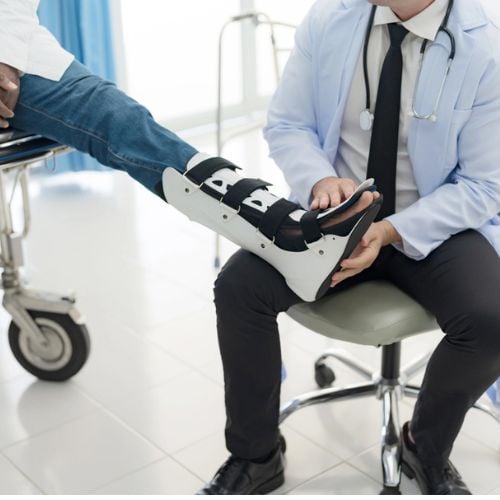
After surgery, your child should wear a protective boot or cast to stabilize the foot during healing. Weight-bearing should be avoided for the first few weeks. Your child may need crutches or a walker to keep weight off the foot. Recovery time varies depending on the type of surgery, but most children can return to normal activities within six to eight weeks.
Preventing future bunions
Dr. Baravarian notes, “The risk of recurrence is one of the challenges in treating juvenile bunions,” but advises, “the best way to prevent a reoccurrence is to have the proper procedure performed in the first place. There are many different types of bunion surgery and not one surgery fits all. Compliance with post-op instructions, including not weight-bearing too soon, wearing protective footwear, and avoiding returning to high-impact activities too soon, are imperative.”
Following a healthy foot care routine, such as wearing properly fitting shoes, can also reduce the likelihood of bunions returning.
Why choose Dr. Bob Baravarian for pediatric foot care?
If your child or a family member is experiencing foot problems, Dr. Baravarian is here to help. As a nationally recognized foot and ankle specialist, he provides advanced podiatric care with some of the highest success rates in the nation. He is a leader in researching, diagnosing, and treating all foot and ankle conditions.
For more information or to schedule a consultation in the greater Los Angeles area, please call (855) 557-5400 or make an appointment now.
Dr. Bob Baravarian is conveniently located in Los Angeles, near Cedars-Sinai Medical Center, providing expert foot and ankle care for patients throughout Southern California.
Pediatric Bunion Surgery FAQs
Can bunion pain in children be treated at home?
Wearing properly fitting shoes, applying ice packs, using cushioning pads over the bunion, and taking an over-the-counter anti-inflammatory medication like ibuprofen can help manage bunion pain at home. However, seeing a podiatrist to assess the severity and recommend the best course of action for your child is strongly recommended.
At what age is bunion surgery best?
The best age for pediatric bunion surgery depends on a variety of factors. It is often between 13 and 16 years old, although younger children may be candidates for lapiplasty or osteotomy.
Are there any risks associated with pediatric bunion surgery?
The primary risk is potential damage to the growth plate, which could affect future foot development and increase the chance of needing a second surgery due to ongoing bone and joint growth. Your child’s podiatrist will assess their bone maturation to determine the best age for surgery to minimize these risks.
Sources
Pediatric hallux valgus: An overview of history, examination, conservative, and surgical management https://pmc.ncbi.nlm.nih.gov/articles/PMC9113854/
Redefining the Juvenile Bunion
https://pmc.ncbi.nlm.nih.gov/articles/PMC8696901/