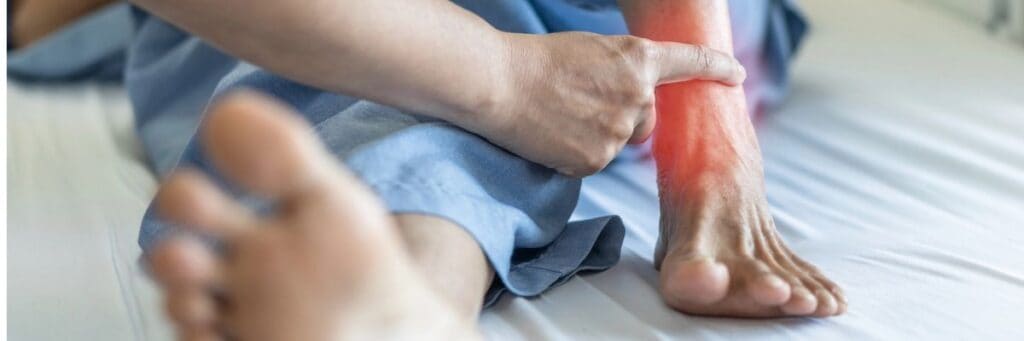
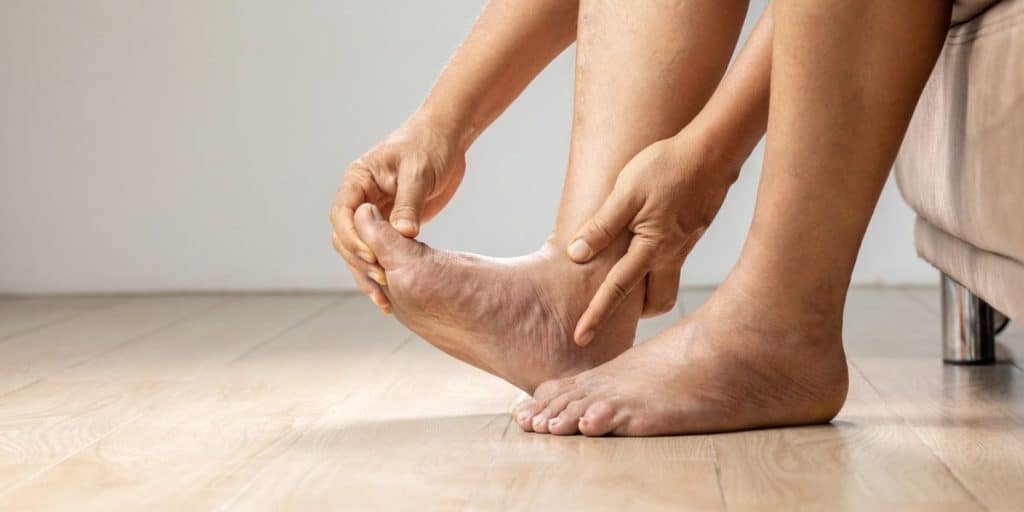
What is adult-acquired flatfoot deformity?
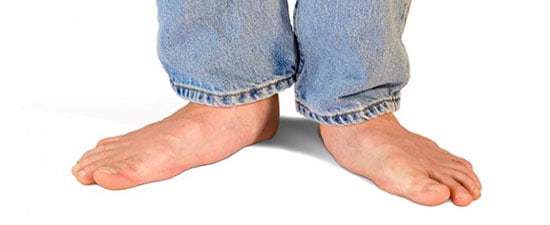
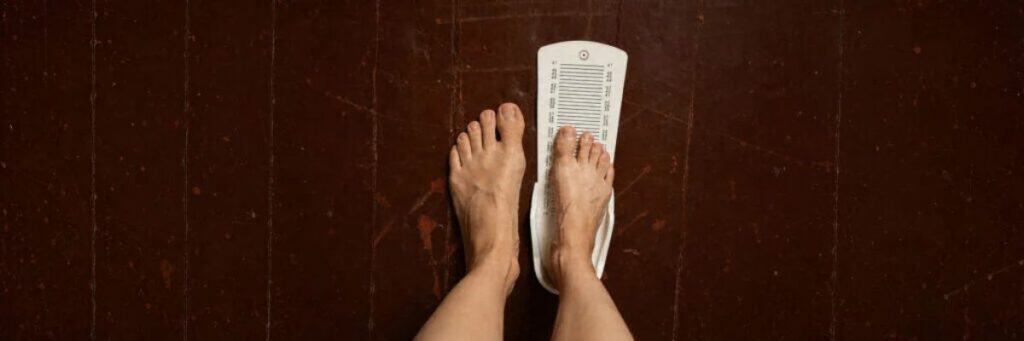
The feet of infants and toddlers start off flat as a board with no discernible bend in the foot. As our feet grow, we begin to develop a pronounced arch. As we get older and our feet absorb accidental trauma or repetitive impacts, the arch tends to fall. With adult-acquired flatfoot deformity, the entire sole touches the floor when we are standing.
What are the complications of adult acquired flatfoot?
Sometimes, adult acquired flatfoot deformity (AAFD) causes no negative symptoms. In such cases, of course, no treatment is needed. However, AAFD can cause problems in our ankles and knees because, without an arch in our feet, the alignment of our legs is often affected. Lack of a flexible arch can diminish our mobility and impair our balance. Patients with AAFD are often concerned with how it interferes with daily activities.
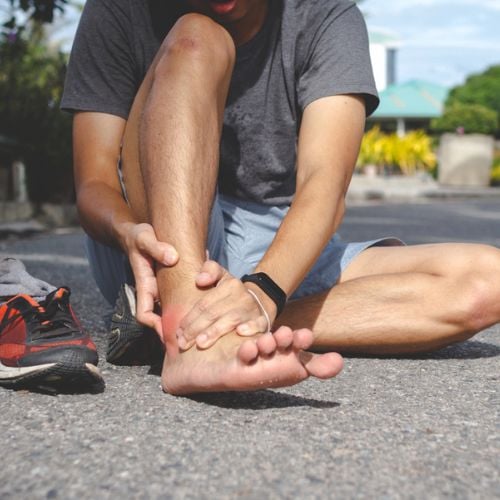
AAFD is often the cause of painful problems in the feet, particularly in the heel and the arch itself. Pain and associated swelling usually get worse with any significant increase in physical activity, even just walking.
What are conservative treatment options for AFFD?
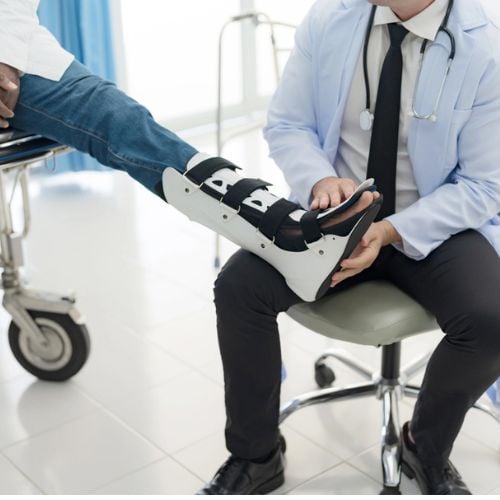
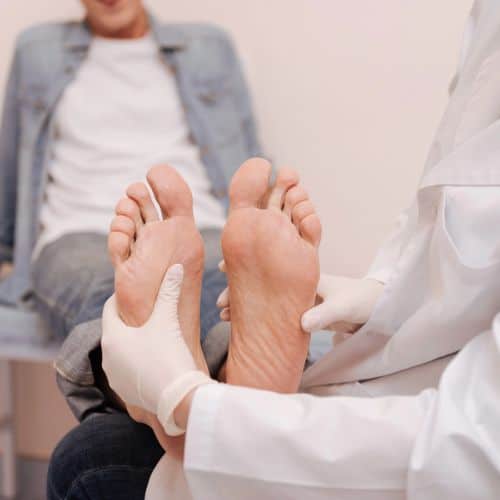
When problems caused by AAFD are serious and mobility is becoming a challenge, it’s time to seek help from a podiatric physician. It’s generally advisable to begin treatment with the most conservative and least invasive remedial methods. Such treatments include rest and immobilization, shoe inserts, braces, and physical therapy.
What are the surgical options for AFFD?
The two most common AAFD surgical modalities are reconstruction and fusion. Reconstructive surgery is generally preferable. It helps keep flexibility in the foot, allowing a return to physical activity. However, reconstruction can be more complicated than fusion. It has a longer recovery period, and there has been a greater risk of surgical failure. Fusion is simpler, more reliable, and with less of a recovery ordeal. Unfortunately, the results from fusion surgery include a significant loss of flexibility that affects walking and repeated physical activity.
How OssioFiber® transforms flatfoot reconstruction
Flatfoot reconstruction focuses on realigning the bones of the foot to restore the arch and correct improper alignment. Successful correction depends on precise bone positioning, the type of bone wedge used, and the quality of the graft material, all of which influence recovery time, swelling, and long-term comfort.
In the past, flatfoot surgery required multiple metal screws, staples, and plates to hold the bones in place during healing. Unfortunately, metal hardware often caused swelling, irritation, and inflammation — and sometimes had to be removed later.
Today, Dr. Bob Baravarian performs flatfoot reconstruction using OssioFiber®, a next-generation non-metal fixation system that provides the same strength as metal while integrating fully into your own bone. This unique fiber material comes in screws, staples, pins, and plates that gradually become part of your bone over two years, eliminating the need for hardware removal.
OssioFiber’s bio-integrative properties not only reduce swelling and inflammation but also enhance bone stability and healing speed. To further improve recovery, Dr. Baravarian may add your own bone marrow cells to the graft material, which accelerates healing and strengthens the reconstruction site.
“OssioFiber has completely changed the way we perform flatfoot reconstruction,” says Dr. Bob Baravarian. “It holds the bone better than metal, reduces inflammation, and becomes your own bone over time, no metal to remove, no irritation, no allergies. It’s a true game-changer.”
Flatfoot reconstruction is a great option for patients of any age
“Our initial hypothesis was that there would be increased complications for patients in the older group. However, we saw positive, consistent surgical outcomes across all age groups,” said Dr. Scott J. Ellis, the lead author of the study. “Depending on the severity of the condition, we believe that flatfoot reconstruction is a great option for patients regardless of their age. For the right patient, it can be the last surgery that they need.”
Dr. Bob Baravarian continues to help develop orthopedic products and surgical techniques used in flatfoot corrective surgery.
As Dr. Bob explains, “We perform these surgeries with a high level of success. It’s important to address the entire foot and correct all underlying issues without cutting corners to achieve the best possible outcome.”
If you have flat feet that are causing significant problems, don’t hesitate to schedule an appointment with Dr. Bob. He is highly trained and at the forefront of flatfoot reconstructive surgery, helping patients relieve pain while restoring flexibility, mobility, and balance.
To schedule a consultation, please call (855) 557-5400 or make an appointment now.
Dr. Bob Baravarian is conveniently located in Los Angeles, near Cedars-Sinai Medical Center, providing expert foot and ankle care for patients throughout Southern California.