Patients are prescribed medications to help treat various ailments from infections to high blood pressure to cancer. Everybody knows medications have a long list of side effects. But did you know that some of these side effects can actually affect your feet? That’s right, medications can cause foot pain and other conditions. So if you start taking a new medication and your feet suddenly begin to hurt, it might not be coincidental.
Neuropathy

Neuropathy is nerve damage that results in loss of sensation. Symptoms include numbness, tingling, pins and needles, or a burning sensation, worse at night. These symptoms are generally detected in the feet first.
People often associate neuropathy with diabetes, but there are countless causes, including medications. The most common medications to cause neuropathy are:
- Chemotherapy drugs such as Cisplatin
- Anti-alcohol drugs like Disulfiram
- Seizure medications like Dilantin
- Antibiotics like fluoroquinolones (including Cipro, Levaquin, and Floxin) have been in the news a lot as of late.
- Heart or blood pressure medications, including Amiodarone and Hydralazine.
Though these symptoms can certainly be uncomfortable, they are not life-threatening. In fact, if medications are changed or discontinued, they will usually resolve as quickly as several weeks. Although it may take several months for symptoms to completely resolve.
Gout
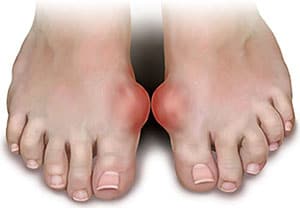
Gout is a condition that is caused by increased uric acid crystallizing in poorly perfused areas. Symptoms will include a red, hot, extremely painful foot, most commonly in the big toe joint. People generally associate gout with certain foods and beverages such as:
- Steak
- Seafood
- Red Wine (my personal favorite)
- Beer
However, as I am sure you will not be surprised (considering the topic of this article), medications can also trigger a gout attack.
These include diuretics or water pills that are commonly prescribed for patients with high blood pressure, congestive heart failure, or increased fluid retention. These medications act by decreasing sodium absorption in the kidneys. In doing so, they increase the body’s absorption of uric acid. Thus resulting in a gout attack.
Examples of diuretics and water pills include:
- Hydrochlorothiazide and Lasix.
- Immunosuppressants such as Cyclosporine
- Vitamins such as Niacin.
Some people think that if they are having a gout attack they just need to take some aspirin since it will help with the inflammation. Wrong! Aspirin is actually known to increase uric acid levels so it is a medication you want to avoid taking during a flare-up. Even low dose aspirin (81 mg) recommended for the prevention of strokes and heart attacks can result in a gouty attack. So make sure you discuss this with your doctor if you are taking even a low dose of aspirin on a regular basis.
Achilles Tendonopathy and Ruptures

Did you step on something while walking around the beach and now there’s some greenish discharge coming out of the wound? That green discharge is due to a Pseudomonas infection.
Pseudomonas infections are associated with puncture wounds, swimmer’s ear, respiratory infections, urinary tract infections, and severe burns. They can be all treated with a fluoroquinolone antibiotic such as Ciprofloxacin, but there lies a potential problem.
Be very careful because these antibiotics have a direct correlation with Achilles tendinopathy and ruptures. Symptoms can include an immediate onset of pain along the Achilles tendon.
Pain can start as early as a few hours after the initial dose or up to 6 months after you stop taking the drug. The exact cause of fluoroquinolone induced Achilles tendonitis or rupture is still elusive.
It is theorized that the antibiotic causes inflammation to the tendon a few centimeters above its attachment. This area has poor vascularity, which results in inadequate healing. Patients with a suspicion of tendonitis should immediately speak to a doctor about discontinuing antibiotics to reduce their chance of ruptures.
The Bottom Line About Medication and Foot and Ankle Side Effects
Let’s face it, most medications have side effects and they can affect one part of your body or another, including the feet. Whether these side effects are coincidental or not, if you are having any issues with your feet, please visit your podiatrist or see Dr. Bob Baravarian. Nobody should have to deal with serious side effects from medications, especially when they could have prevented.
To schedule a consultation, please call (855) 557-5400 or make an appointment now.
Dr. Bob Baravarian is conveniently located in Los Angeles, near Cedars-Sinai Medical Center, providing expert foot and ankle care for patients throughout Southern California.