What is Metatarsalgia?
 What is Metatarsalgia?
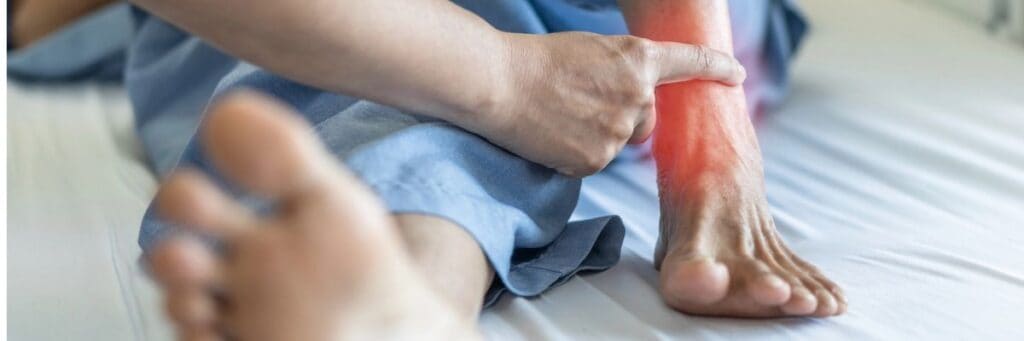
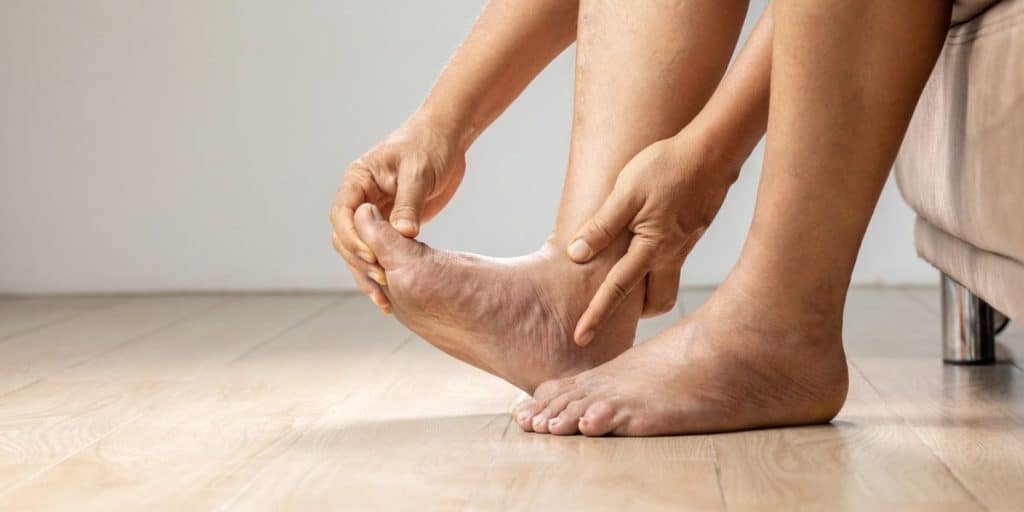
Metatarsalgia, often called “ball of the foot pain” or a “stone bruise,” is not a specific condition but a general term for a group of foot problems caused by various conditions.
In some cases, there can be more than one condition causing metatarsalgia symptoms. This is just one of several reasons why a proper diagnosis can be challenging and why your doctor’s experience is a crucial part of accurate diagnosis and successful treatment. treatment plan from the start.
What does metatarsalgia Feel Like?
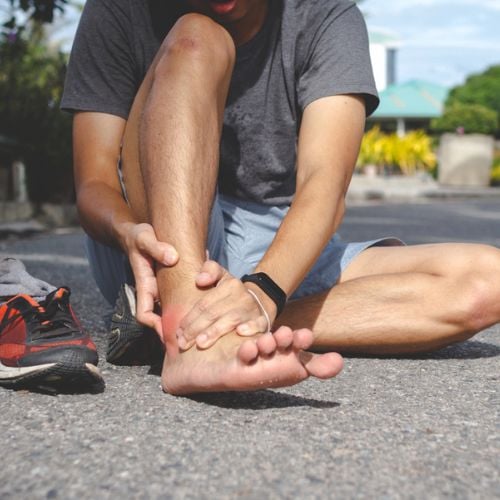
Metatarsalgia is a term most often used to describe pain in the ball of the foot or forefoot. Other symptoms can include:
- Pain in your toes (in addition to the ball of your foot) can be described as an aching, sharp, or burning pain.
- Increased pain when walking, running, standing, or going barefoot
- Numbness or tingling in your toes
- A feeling like there’s a pebble in your shoe that you are constantly stepping on.
- Stabbing pain in the ball of the foot
How is metatarsalgia diagnosed?
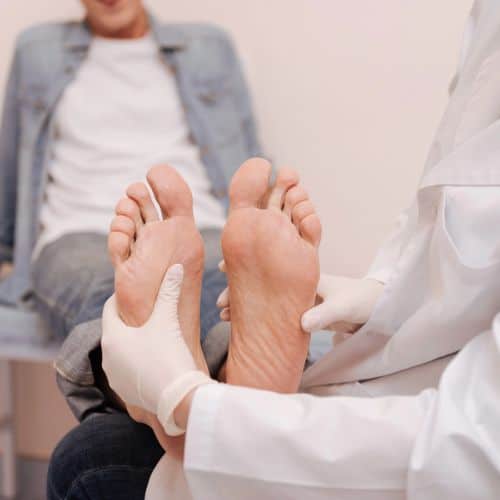
To determine the underlying cause of your pain, Dr. Bob will examine your foot and ask about your activity level and related discomfort. Since there are many causes of metatarsalgia, tests may be ordered to identify the exact source of the pain. These tests can include:
- Blood test: to identify diabetes or arthritis
- X-Ray: to check for fractures or problems with bones and joints
- Ultrasound: to rule out Morton’s neuroma
- MRI: in some cases, a more detailed image is needed to accurately identify the underlying condition
What causes metatarsalgia?
Conditions that cause metatarsalgia symptoms are usually not due to a sudden injury or trauma. Instead, they tend to develop gradually over time due to overuse, repetitive motion, or excess weight.
Common causes of ball of foot pain can include:
Big Toe Arthritis (Hallux Rigidus)
The inflammation in the big toe or ball of the foot joint is a painful condition that can resemble metatarsalgia. Having rheumatoid arthritis, osteoarthritis, or gout can also contribute to metatarsalgia. Read more about hallux rigidus here.
Bunions
A bunion is an abnormal bump on the side of the foot at the base of the big toe. The tissue around bunions often becomes sore and inflamed. Read more about bunions here.
Hammertoe
A hammertoe is a deformity of the toe that causes it to stay permanently bent in a claw-like shape. This abnormal position can put extra pressure on the ball of the foot, leading to pain. Read more about hammertoes here.
Metatarsal Stress Fracture
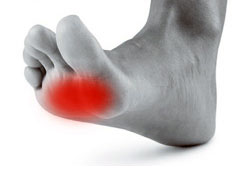
A metatarsal stress fracture is a small crack or break in the metatarsal bone. A stress fracture is usually an overuse injury that develops gradually over time. Read more about metatarsal stress fractures here.
Morton’s Neuroma
Morton’s neuroma is a benign but painful growth of fibrous tissue. It develops in the nerve cells and most often occurs between the third and fourth metatarsal bones. Read more about Morton’s neuroma here.
Diabetes
Nerve damage in the foot caused by diabetes can lead to symptoms of metatarsalgia. Read more about diabetic nerve conditions here.
Heel Pain
Heel pain can happen underneath or behind the heel, called posterior heel pain. Learn more about heel pain here.
High Arches
A short first metatarsal or a long second metatarsal (a second toe longer than the big toe) can cause more weight to shift to the second metatarsal. Read more about high arches here.
Plantar Plate Injury
The plantar plate is the ligament at the base of your toes on the bottom of your foot. If this ligament becomes inflamed or torn, the resulting pain resembles the symptoms of Metatarsalgia. Read more about plantar plate injuries here.
As mentioned earlier, multiple conditions can cause metatarsalgia symptoms. That’s why diagnosis can be difficult, making your doctor’s experience a crucial factor in identifying the cause.
How is metatarsalgia treated?
Diagnosing the true condition and cause of metatarsalgia is essential for developing an effective treatment plan. Since many different conditions can cause pain and lead to metatarsalgia, accurate diagnosis is crucial because treatment approaches vary.
There are conservative measures that may help relieve metatarsalgia pain until you can visit a doctor. These include:
R.I.C.E.
“RICE” stands for “Rest, Ice, Compression, and Elevation. This helps to reduce inflammation and can be very helpful.
Wear Proper Shoes
It’s important to wear well-fitted shoes that are loose enough to avoid putting extra pressure on the problem area. Loose shoes allow the foot to move too much inside the shoe, causing friction and rubbing that can irritate the metatarsals and potentially lead to Metatarsalgia.
On the other hand, tight shoes compress the foot, increasing pressure on the metatarsals, which can result in pain and inflammation typical of Metatarsalgia. Always wear proper athletic shoes when exercising.
Orthotics
Custom orthotics can help provide proper arch support and relieve pain.
Over-the-Counter Pain Medicine
Taking OTC anti-inflammatory medication can temporarily reduce inflammation and pain. Never take anti-inflammatories on an empty stomach to help avoid the serious risk of a GI bleed.
Surgery may be necessary for Metatarsalgia to remove a bony prominence or correct a structural deformity that causes foot pain and discomfort. This might include reshaping the bone or adjusting alignment to decrease pressure on the metatarsal bones.
Dr. Baravarian offers Los Angeles’s most experienced care for Metatarsalgia
Dr. Bob Baravarian is a nationally recognized expert with decades of experience who comes armed with the latest techniques and technologies at his disposal.
Dr. Bob is dedicated to providing the very best care in a professional and relaxed environment. It’s what he’s known for.
His team of physical therapists is dedicated to returning you to your full potential as quickly as possible. If conservative treatments are not effective, no other center can provide the level of surgical options and care for the treatment of metatarsalgia symptoms.
Dr. Bob Baravarian is conveniently located in Los Angeles, near Cedars-Sinai Medical Center, providing expert foot and ankle care for patients throughout Southern California.