Dr. Bob Baravarian introduces a breakthrough Achilles repair using OssioFiber®: less pain, swelling, and faster recovery.
Ghost non-metal PARS for Achilles rupture
Dr. Bob Baravarian, a nationally recognized Los Angeles foot and ankle surgeon, repairs Achilles tendon ruptures using a minimally invasive technique that requires just a 1-centimeter incision.
His advanced non-metal PARS (Percutaneous Achilles Repair System) approach minimizes scarring and healing complications while securely reattaching the healthy tendon to the heel bone.
Patients benefit from a faster recovery, less discomfort, and excellent long-term results, all backed by Dr. Baravarian’s decades of surgical experience and leadership in advanced Achilles tendon surgery in Los Angeles.
What is the PARS procedure?
PARS (Percutaneous Achilles Repair System) is a revolutionary minimally invasive treatment for ruptured Achilles tendon repair.
In traditional Achilles tendon surgical repair procedures, such as open surgery, an incision will be made along the back of the calf. An orthopedic surgeon can then remove damaged portions of the torn calcaneal tendon, if necessary, and reattach the tendon.
However, the PARS Achilles tendon operation heals faster thanks to its smaller incision. Through a conservative opening, Dr. Baravarian attaches four high-strength sutures to the ends of the severed tendon. They are then pulled into an hourglass shape, fostering a tighter bond of the tendons that can aid healing. The result is much stronger than previous repair techniques and leaves his patients with essentially no scarring.
Our non-metal PARS Achilles repair
We use the Ossio non-metal anchors in our exclusive perfected PARS Achilles tendon rupture technique. Unlike traditional PARS systems that use metal or PEEK (a plastic-like inert material), Ossio anchors are designed to integrate with the patient’s bone, greatly reducing heel irritation and promoting more natural healing.
The problem with the PEEK material is that it does not incorporate into the patient’s bone and often causes heel pain and bone swelling. Unfortunately, this swelling increases tension on the surgically repaired Achilles tendon, which can interfere with healing and trigger a negative reaction in the heel bone, often resulting in pain and less favorable outcomes.
In addition to our advanced PARS system, we perform Achilles tendon repair using a minimally invasive approach that requires only a 1-centimeter incision. This small incision significantly reduces scarring, stiffness, and postoperative pain.
Our specialized suture technique and use of non-metal fixation materials allow patients to begin weight bearing and physical therapy earlier in recovery. Early, guided movement promotes stronger tendon healing and helps patients return to normal activity faster and more safely.
Our new non-metal PARS surgical system has been a game-changer for Achilles repairs for our patients.
Dr. Bob's Achilles rupture patient demonstrates Achilles tendon strength just 3 months after the PARS procedure
How does PARS compare to traditional "open repair" surgery?
In traditional tendon repair surgeries, the “open repair” technique is used. The surgeon makes a 10-15cm vertical incision on the back of the ankle and pries open the skin to gain complete access to the Achilles tendon. High-strength sutures are used either to hold both ends of a completely ruptured tendon together or to stitch the edges of a partial tear.
Open surgery is often used for an acute Achilles tendon rupture, as it should be performed within two weeks of the injury. Unfortunately, healing time is lengthy, taking up to nine months. There is also a chance of re-rupture, especially if you return to your previous activity level too soon.
Immobilization via a cast is often required for six to eight weeks, which can lead to tendon weakness, scar tissue formation, and a more pronounced cosmetic impact.
What to expect during recovery for Achilles surgery
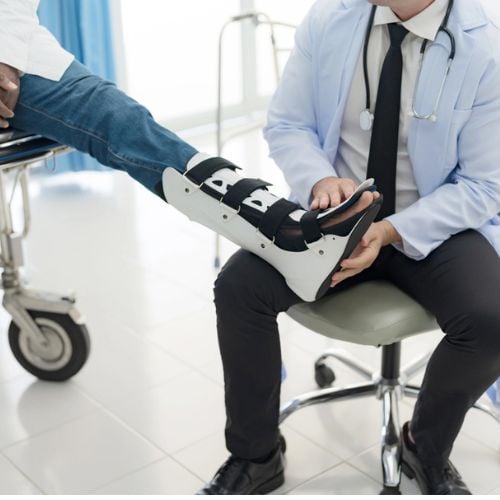
Achilles’ healing time depends on the type of procedure you received. After PARS outpatient surgery, you’ll be placed in a walking boot for the first few weeks.
You’ll start a rehabilitation program around four weeks post-operation to prevent loss of range of motion and help you return to physical activity as soon as and as safely as possible. The recovery process often includes sports medicine-prescribed weight-bearing exercises and physical therapy.
A return to sports activity can occur at approximately three months, which is three months earlier than allowed after open repair surgery.
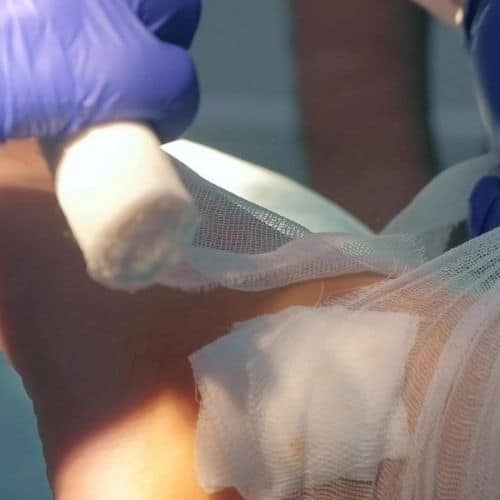
Regarding wound recovery, the tiny incision typically heals within a week, resulting in minimal scarring. Additionally, the tendon itself heals with a thinner, more natural contour, resulting in a cosmetically appealing reconstruction.
Dr. Bob’s rate of complications following Achilles heel surgery has been less than 1% with the minimally invasive PARS technique. We are proud to note that 97% of patients have returned to their previous level of activity with no long-term complications.
Why Dr. Baravarian is your best choice for Achilles tendon treatment
Dr. Bob is nationally recognized for advanced treatment techniques, including the PARS procedure. He has decades of experience managing the special circumstances and concerns surrounding Achilles tear injuries and ruptures.
For a consultation, please call (855) 557-5400 or make an appointment online now.
Dr. Bob Baravarian is conveniently located in Los Angeles, near Cedars-Sinai Medical Center, providing expert foot and ankle care for patients throughout Southern California.
Achilles tendon surgery FAQs
How are Achilles tendon tears diagnosed?

A physical examination using the Thompson test, which evaluates the integrity of your Achilles tendon, can inform the doctor if there are any Achilles tendon tears. An X-ray can confirm the diagnosis and show signs of tendinitis. Based on the findings, we may prescribe non-operative treatment or recommend surgery.
Can tendon surgery cause nerve damage?
Orthopedic surgery carries risks, although they are usually minimal. Nerve pain or discomfort can occur after surgery because the sural nerve is often located near the tendon. It’s essential to report any discomfort to your healthcare provider at your follow-up appointment, as rest, physical therapy, and strength-building exercises can help prevent and alleviate Achilles tendon surgery-related nerve pain.
Can acute Achilles tendon rupture (ATR) cause a blood clot?
There is some association between acute Achilles tendon rupture (ATR) and deep vein thrombosis (DVT). Immobilization may cause issues with circulation and blood supply, making it essential that you visit your healthcare provider if you have any concerns before or after surgery.