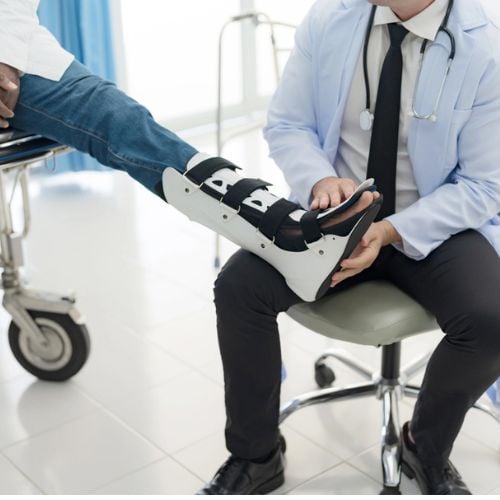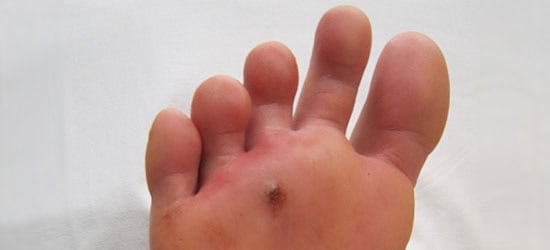
A foot puncture wound is not like a normal cut; it is a small hole in the skin caused by a pointed object, such as a nail you have stepped on.
Proper treatment within the first several hours is particularly important with puncture wounds because the piercing object may become embedded under the skin. Prompt medical attention can greatly reduce the chance of complications.
Preventing a Puncture Wound in the Foot
To avoid puncture wounds of the foot, be careful to follow these tips.
Wear appropriate socks and shoes for the occasion. Heavy-soled shoes should be worn if you’re playing or working in a place where pointed objects (nails, screws, stones, or tacks) might be scattered about.
Check the insides of your shoes before putting them on to ensure nothing fell in while they were off — pets sometimes like to hide small objects in their owners’ shoes.
Common household items like sewing needles and toothpicks are common causes of puncture wounds, so use care around the house.
If you have a condition that leaves you prone to infection — for example, diabetes, immunodeficiency, or peripheral vascular disease — you are particularly at risk and should avoid going barefoot altogether.
Caring for a Puncture Wound
Puncture wound care depends on the severity and cause of the injury.
At-home treatment
- Minor puncture wounds can be treated at home, and steps include:
- Wash your hands to reduce the risk of infection.
- Rinse the wound with water and use disinfected tweezers to remove debris.
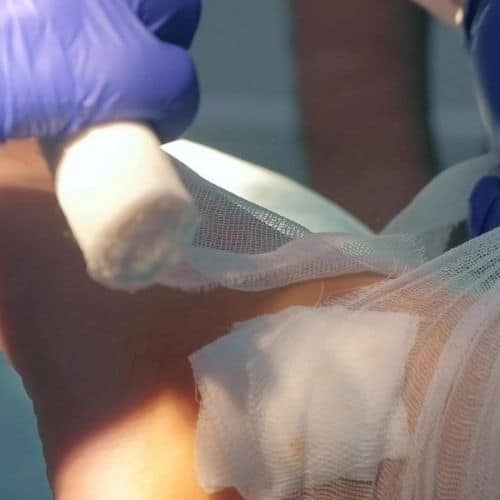
- Clean the wound with soap and water, pat dry with a clean towel, apply an antibiotic, and cover with a bandage.
- If the wound is bleeding, apply gentle pressure with a clean cloth or bandage.
- Change the bandage once a day.
It’s important to note that if the “foreign body” is still stuck in the skin, the wound may not bleed much or at all.
When to seek medical attention
Call 911 or visit your emergency room if there is persistent bleeding that can’t be stopped, numbness around the wound, or other serious injuries.
Call your podiatrist right away if:
- The wound is showing signs of infection (red streaks from the wound, throbbing sensation, fever, and/or swelling).
- It was caused by an animal or human bite.
- You were punctured by a dirty or rusty object.
- The wound is large or deep.
At the doctor’s office
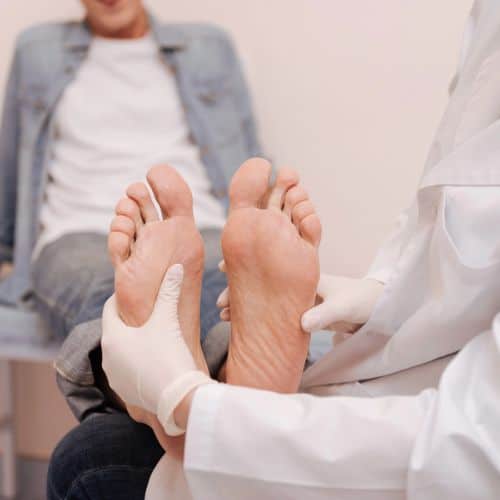
Your foot and ankle specialist will want to know what type of sharp object caused the wound, where it happened, and if you were wearing shoes or socks.
They will then assess how deep the wound is and thoroughly clean out any debris. You might need a tetanus shot or antibiotics, depending on the cause of the wound. If the open wound was from an animal bite, your doctor might recommend rabies vaccination. An X-ray can determine if there’s any bone damage or if the foreign object is still in the wound.
Puncture wounds present a high risk for soft tissue infection and development of osteomyelitis (bone infection), so it’s important to seek follow-up care as advised by your physician.
Dr. Bob, for your foot and ankle care
Dr. Bob is nationally recognized for his treatment of puncture wounds and diabetic foot ulcers. He has decades of combined experience in managing the special circumstances surrounding wound care. In addition, he is an internationally recognized expert in the field of regenerative medicine to treat foot and ankle conditions.
If you are concerned about an open sore on your lower leg or foot that’s taking longer than usual to heal, you may benefit from advanced wound care by one of the foot wound experts at the Dr. Bob Baravarian (Dr. Bob) wound care centers.
To schedule a consultation, please call (855) 557-5400 or make an appointment now.
Dr. Bob Baravarian is conveniently located in Los Angeles, near Cedars-Sinai Medical Center, providing expert foot and ankle care for patients throughout Southern California.
Resources
Chudnofsky CR, Sebastian S. Special wounds: nail bed plantar puncture and cartilage. Emerg Med Clin. N Am. 1992;10(4):801-821.
Haverstock, B. D., & Grossman, J. P. (1999). Puncture wounds of the foot. Evaluation and treatment. Clinics in podiatric medicine and surgery, 16(4), 583–596.
Lavery LA, Harkless LB, Ashry HR, Felder-Johnson K. Infected puncture wounds in adults with diabetes: risk factors for osteomyelitis. J Foot Ankle Surg 1994; 33:561.