Since 1995, Americans’ interest in biking has been on the upswing. With the wind whipping through your hair and nothing but the trail ahead of you, it’s easy to see why biking is becoming more popular than ever. And though almost every age demographic has seen significant hikes in bike rides per year, one population is clearly at the front of the pack: Seniors.
Cyclists in the 60-79 age group constitute about 22% of growth in biking, and their bike trips account for more than a third of the overall gain. And can you blame them? Cycling is a fun, relatively inexpensive aerobic activity, accommodating to pros and beginners alike. And it’s easy on the joints, too.
Plantar Fasciitis and Bicycling
Biking is one of the best low-impact sports around, but you can still get hurt if you haven’t done your due diligence. Traumatic injuries while biking are rare, but stress injuries are rather common. This makes sense when you think about it. The constant, repetitive motion of pedaling comes with an inherent risk of overuse.
One of these injuries is plantar fasciitis. While bicycling doesn’t necessarily cause plantar fasciitis, factors like footwear, bike fit, and technique can contribute to, or exacerbate, overuse injuries.
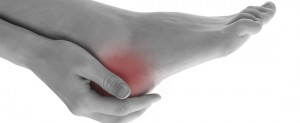
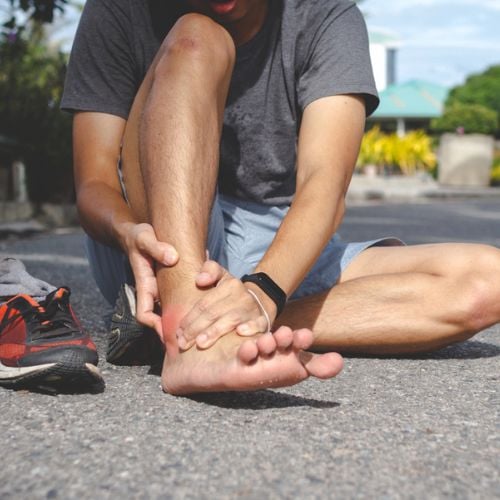
Plantar fasciitis is one of the most common causes of heel pain in adults, affecting between 1 and 2 million Americans each year. Plantar fasciitis is most likely to strike between the ages of 40-60.
The condition refers to the inflammation of the plantar fascia, the thick band of tissue connecting the heel to the front of the foot. Miniscule tears can open up along this band of tissue, and refuse to heal, as a result of overuse. Some doctors believe that the condition can be degenerative.
Without rest and proper treatment, these tears can cause stabbing heel pain and can cut into your work and playtime.
Take Time to Get the Right Shoe Fit
People with flat feet or high arches are both more susceptible to plantar fasciitis than your average Joe. This is because both of these structural abnormalities tend to increase the load the fascia must take on with each step.
If you have either of these conditions, invest some extra time and attention to choosing a well-fitting shoe. According to podiatrist Dr. Bob Baravarian, “Bikers should wear cycling cleats with a firm sole, and use an orthotic insole to support the foot.”
Don’t Ride Too Low in the Saddle
When you’re averaging 3000-7000 revolutions per hour, you want to make sure your bike has the proper fit. Incorrect saddle height can contribute to the development of plantar fasciitis. Doctors say that cyclists tend to set their saddles too low. The saddle should sit so that your legs are nearly straight at their fullest extension.
Technique Plays an Important Part Too
You should also pay attention to the way in which you are positioning your feet on the pedals. Avoid pointing your toes either inward or outward – your feet should be kept parallel to the direction the bike is traveling. Keep your feet in the center of the pedals; don’t let them drift too far back.
For cyclists who prefer cleats, always set the tension low. You shouldn’t have to force yourself out of them. Understanding and practicing the proper technique can help prevent plantar fasciitis, as well as other aches and pains in the knees, lower back, neck, and arms.
If you have plantar fasciitis, Dr. Baravarian adds, “Stretch the Achilles and the calf 3-4 times per day, and always stretch after a ride.” Elongating the Achilles has been shown to reduce plantar fasciitis pain, and ease tightened muscles.
Plantar Fasciitis Treatment
Plantar fasciitis pain can take up to a year, or more, to subside. The good news? Out of every 10 cases, about 9 will resolve with conservative, non-surgical treatments.
Use the RICE method (rest, ice, compression, and elevation) to manage plantar fasciitis pain at home. Find a good massage therapist and take NSAIDs (non-steroidal anti-inflammatory drugs) if needed.
If you’re experiencing heel pain, schedule a visit with Dr. Bob Baravarian for a thorough evaluation. He can provide custom orthotics and night splints to stretch the fascia while you sleep. With decades of experience effectively treating plantar fasciitis, Dr. Bob is a leader in the research and treatment of all foot and ankle conditions.
To schedule a consultation, please call (855) 557-5400 or make an appointment now.
Dr. Bob Baravarian is conveniently located in Los Angeles, near Cedars-Sinai Medical Center, providing expert foot and ankle care for patients throughout Southern California.